Tucked away in Weatherford, Oklahoma, lies a museum that feels like it should be in the Smithsonian — but with the heart and grit of the Great Plains. The Stafford Air & Space Museum honors one of America’s most accomplished astronauts, General Thomas P. Stafford, a local boy who went on to orbit the Earth, rendezvous with the Soviets during the Cold War, and shape the very future of space exploration. It’s a place where aviation history meets personal legacy, filled with real spacecraft, supersonic jets, and artifacts from missions that defined a generation.
General Stafford’s story is more than space suits and rocket launches — it’s a powerful tale of how small-town roots can lead to a global impact. As a test pilot, astronaut, and Air Force general, his fingerprints are on everything from Gemini and Apollo to the F-16 to the Shuttle program. The museum doesn’t just showcase machines; it tells a human story — one of courage, innovation, and the drive to go where no one has gone before.
Before I even walked in the door, I knew that this place would captivate me for hours. Three critically important military aircraft—an A-10 Thunderblot, a T-33 Shooting Star, and an F-104 Starfighter—sat outside, welcoming visitors.


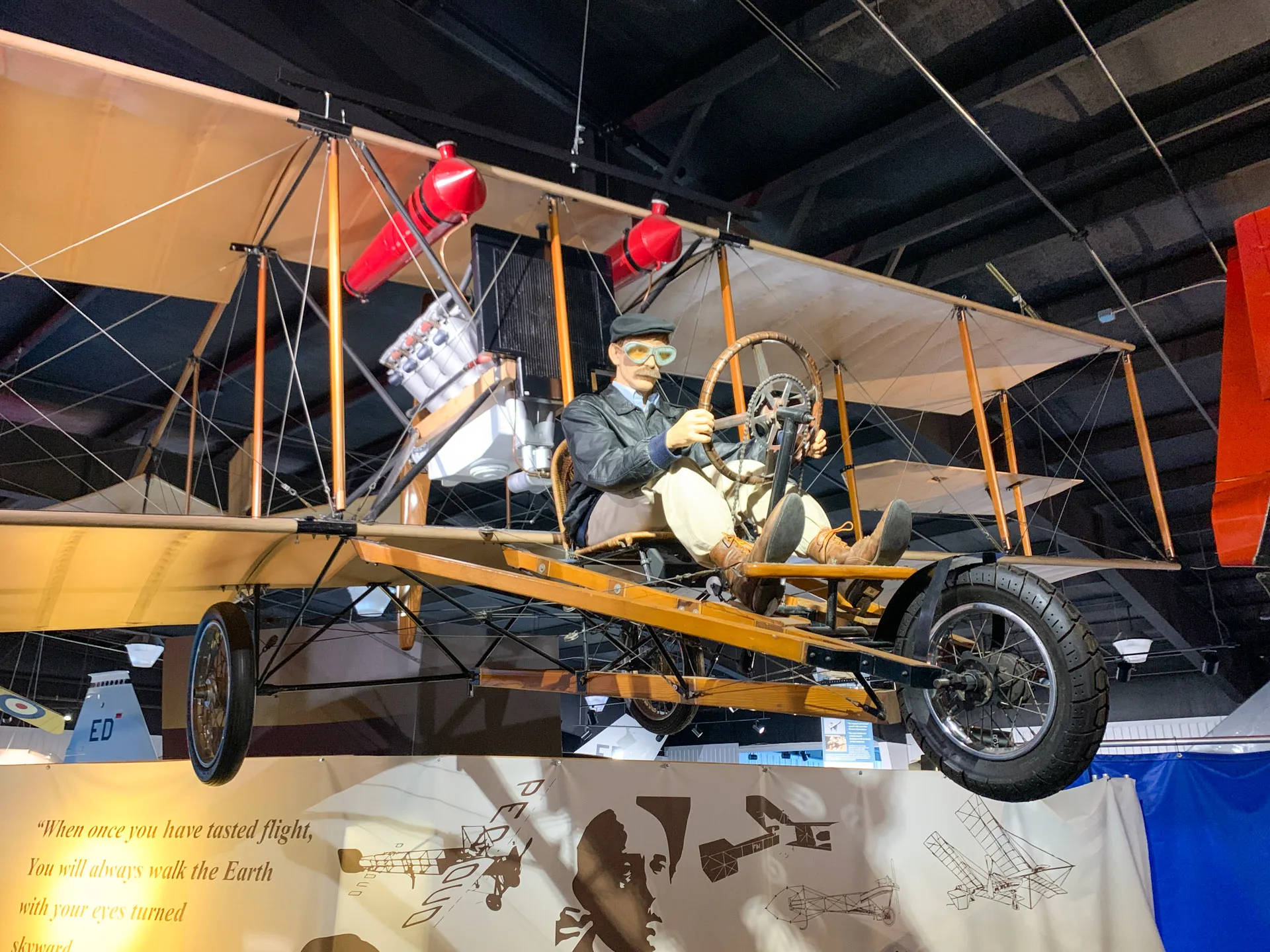
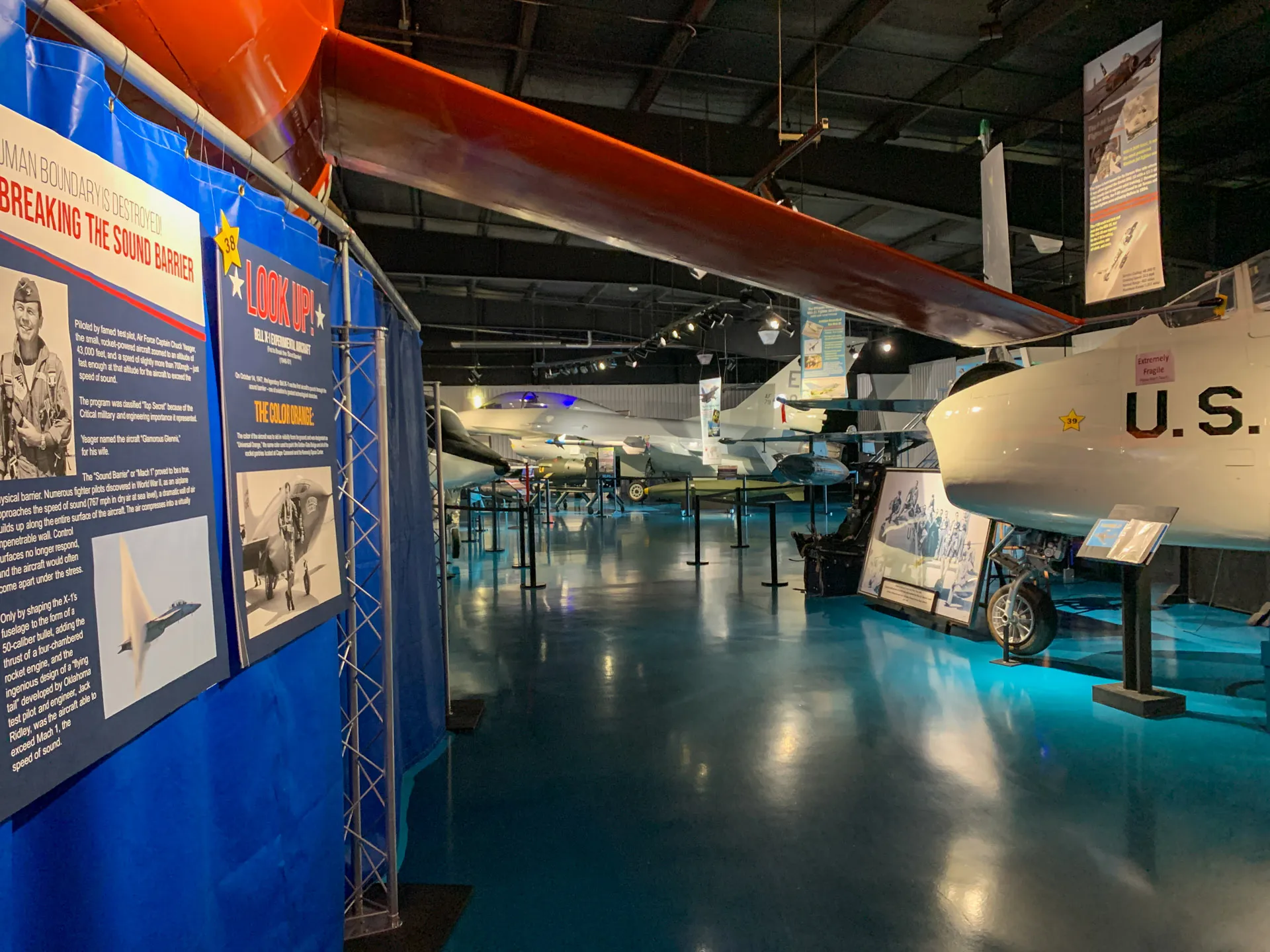
Before rockets ever pierced the sky, flight began with wings — and the aviation section of the Stafford Air & Space Museum captures that pioneering spirit in spectacular detail. From World War I biplanes to the sleek jets of the modern era, this section is a walk through the evolution of human flight. Real aircraft are displayed up close, including legendary warbirds like the F-86 Sabre and supersonic icons like the Mach 2-capable F-104 Starfighter. It’s not just a visual feast — it’s an immersive dive into the engineering, bravery, and breakthroughs that paved the way for space exploration.
Each plane tells a story of innovation and courage. Many aircraft are paired with personal histories, detailing the pilots who flew them and the missions they undertook. Interactive displays and detailed exhibits help visitors understand not just how these machines flew, but why they mattered. For aviation enthusiasts, it’s a dreamland of jet engines, cockpit layouts, and aerodynamic design. For everyone else, it’s a thrilling reminder of just how far — and how fast — humanity has come.


One of the many reasons that I was excited to visit this museum was that General Stafford helped drive the development of my favorite military aircraft, the F-16. These amazingly fast and agile warbirds were deployed to McConnell Air Force Base near my home when I was a teenager. I was at the ceremony on the base and watched with all as they demonstrated the maneuverability and pros of this spectacular feat of engineering.
As the Chairman of the NASA and Air Force joint committee overseeing the evolution of advanced tactical aircraft, Stafford brought his unmatched experience as a test pilot and astronaut to the table. He championed the importance of agility, cost-efficiency, and cutting-edge avionics, helping to guide the F-16 from a prototype to one of the most successful multirole fighters in history. His leadership ensured that the aircraft met the dynamic needs of modern warfare while remaining accessible to allied nations — securing its place as a cornerstone of global air power.


In addition to the actual F-16 inside the museum, they have an F-16 cockpit that you can climb into and take a selfie.


Thomas Stafford's Career as an Astronaut
General Thomas P. Stafford was one of NASA’s original space trailblazers, a key figure in the early days of human spaceflight. Selected as part of NASA’s second group of astronauts in 1962, Stafford went on to fly four historic missions: Gemini VI-A, Gemini IX-A, Apollo 10, and the groundbreaking Apollo-Soyuz Test Project. In Gemini VI-A, he helped execute the first rendezvous in space — a maneuver that would become essential for lunar missions. As commander of Gemini IX-A, he tested vital docking techniques, laying the foundation for future Apollo flights. But it was Apollo 10 where he truly brushed the Moon — orbiting just 50,000 feet above its surface in a full dress rehearsal for the first lunar landing.
Perhaps most symbolically, Stafford commanded the Apollo-Soyuz Test Project in 1975 — the first joint space mission between the United States and the Soviet Union during the Cold War. It was a powerful gesture of diplomacy and a technical feat, with Stafford famously shaking hands in orbit with Soviet cosmonaut Alexei Leonov. Throughout his career, Stafford was known not just for his piloting skills but for his calm leadership, precision, and contributions to spaceflight innovation. His legacy helped propel NASA from early orbit to international cooperation — and he remains one of the most respected figures in aerospace history.
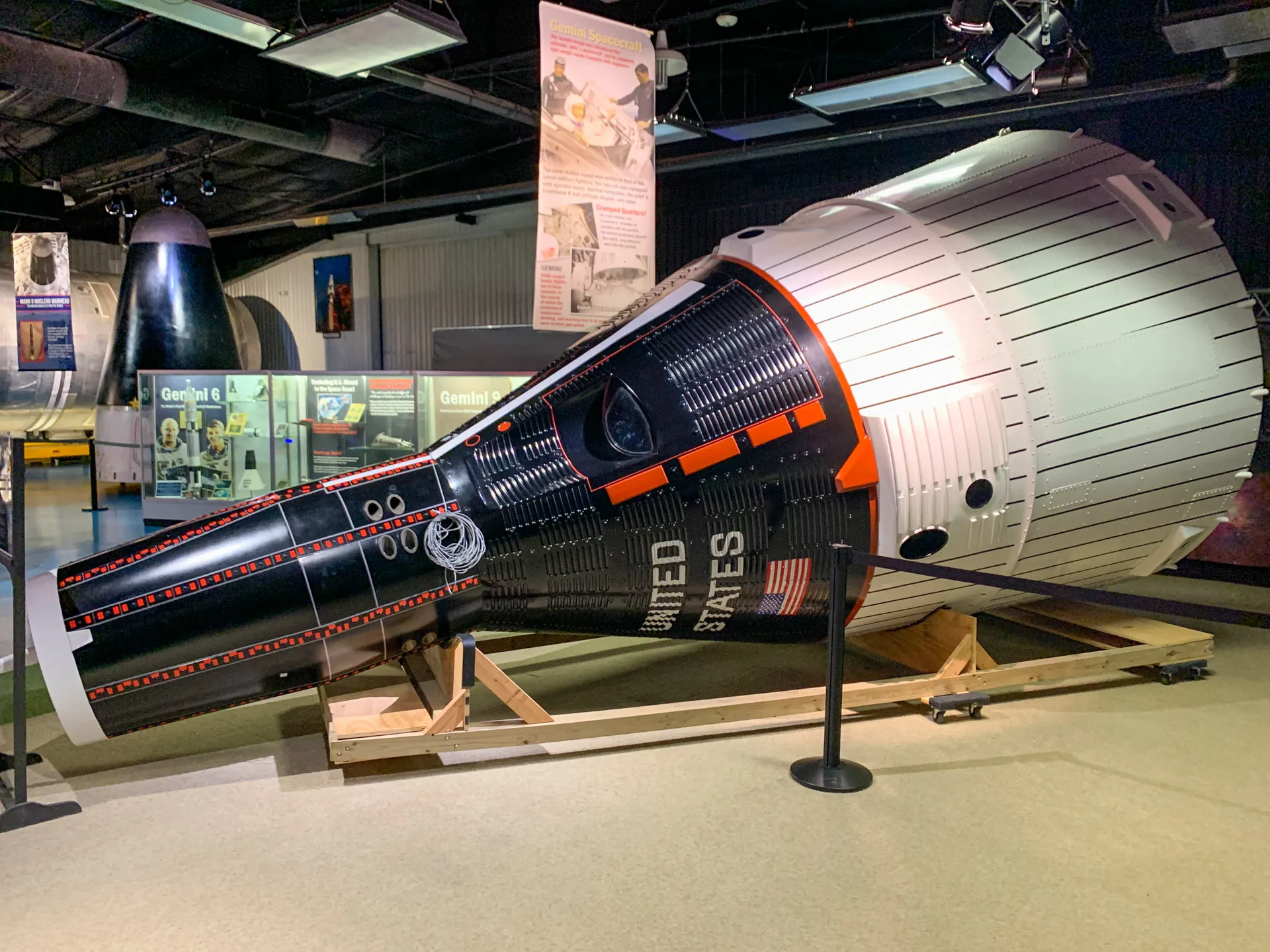
The museum house is the Gemini VI Spacecraft, which was piloted by Stafford and made the first in-flight rendezvous and docking with another spacecraft. It’s somewhat surreal to stand there, staring at this piece of hardware, imagining it miles above the Earth, moving 1000s of miles an hour and docking with another craft.


The space suit worn by Stafford is also on display.

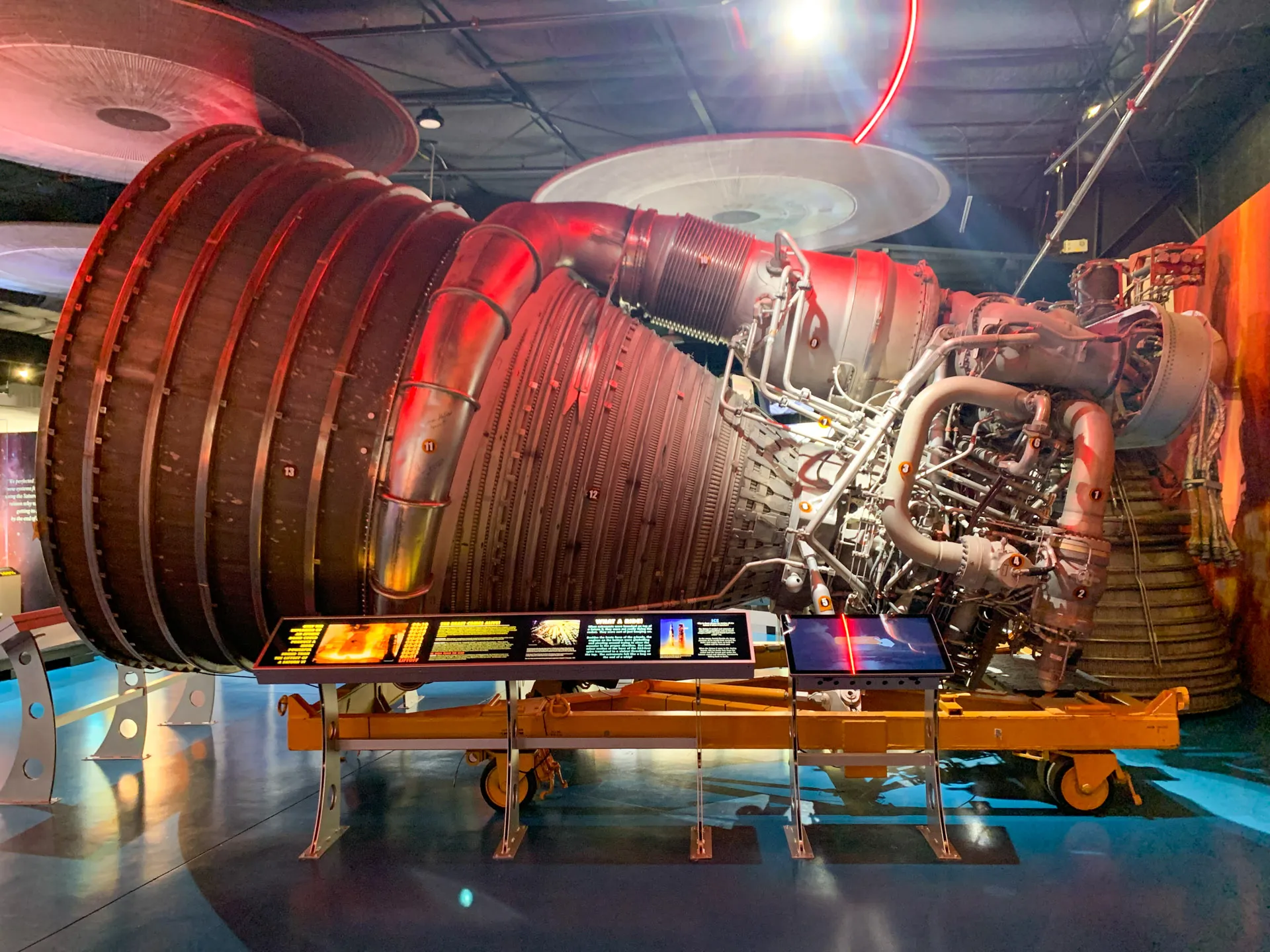
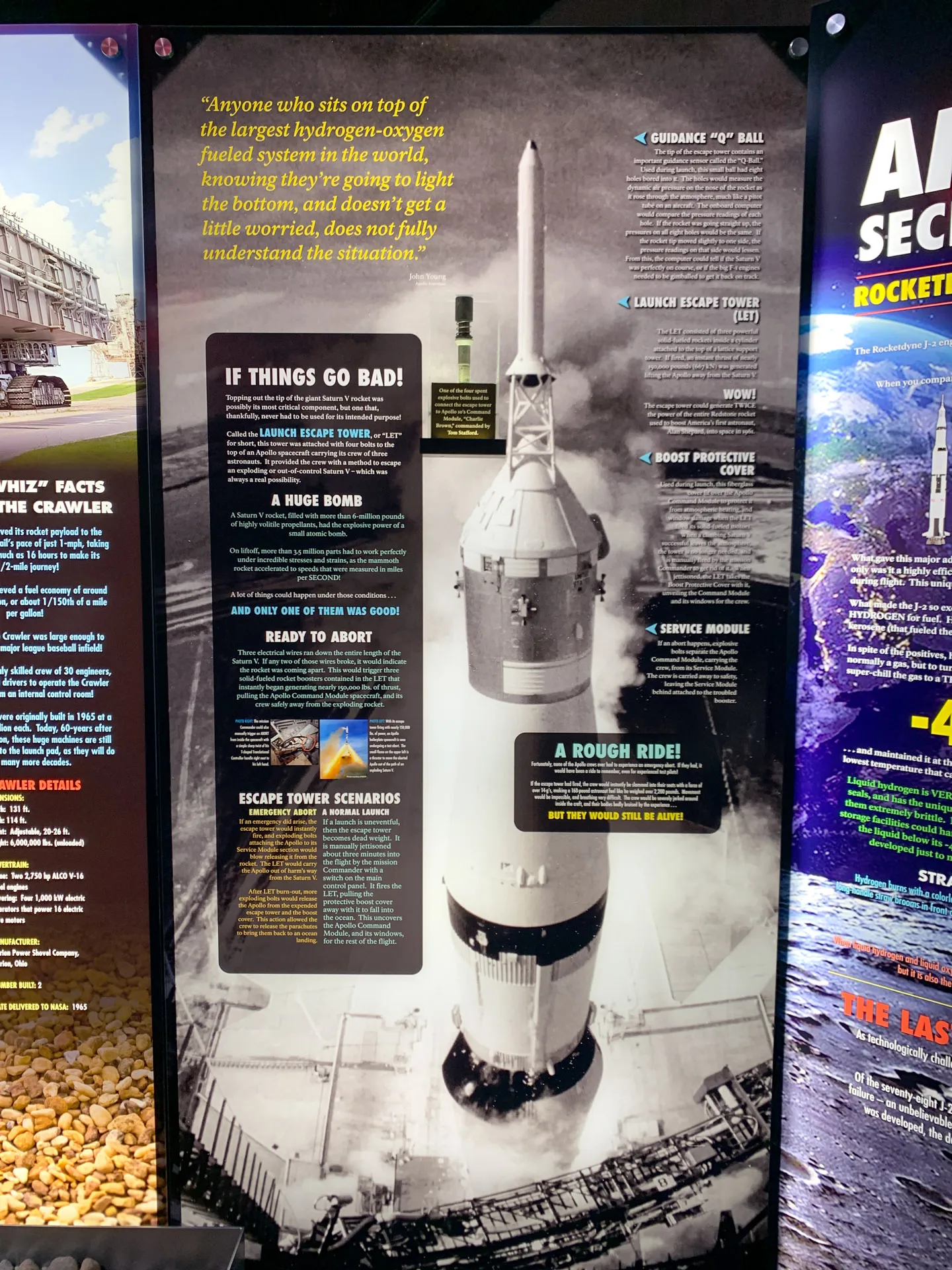
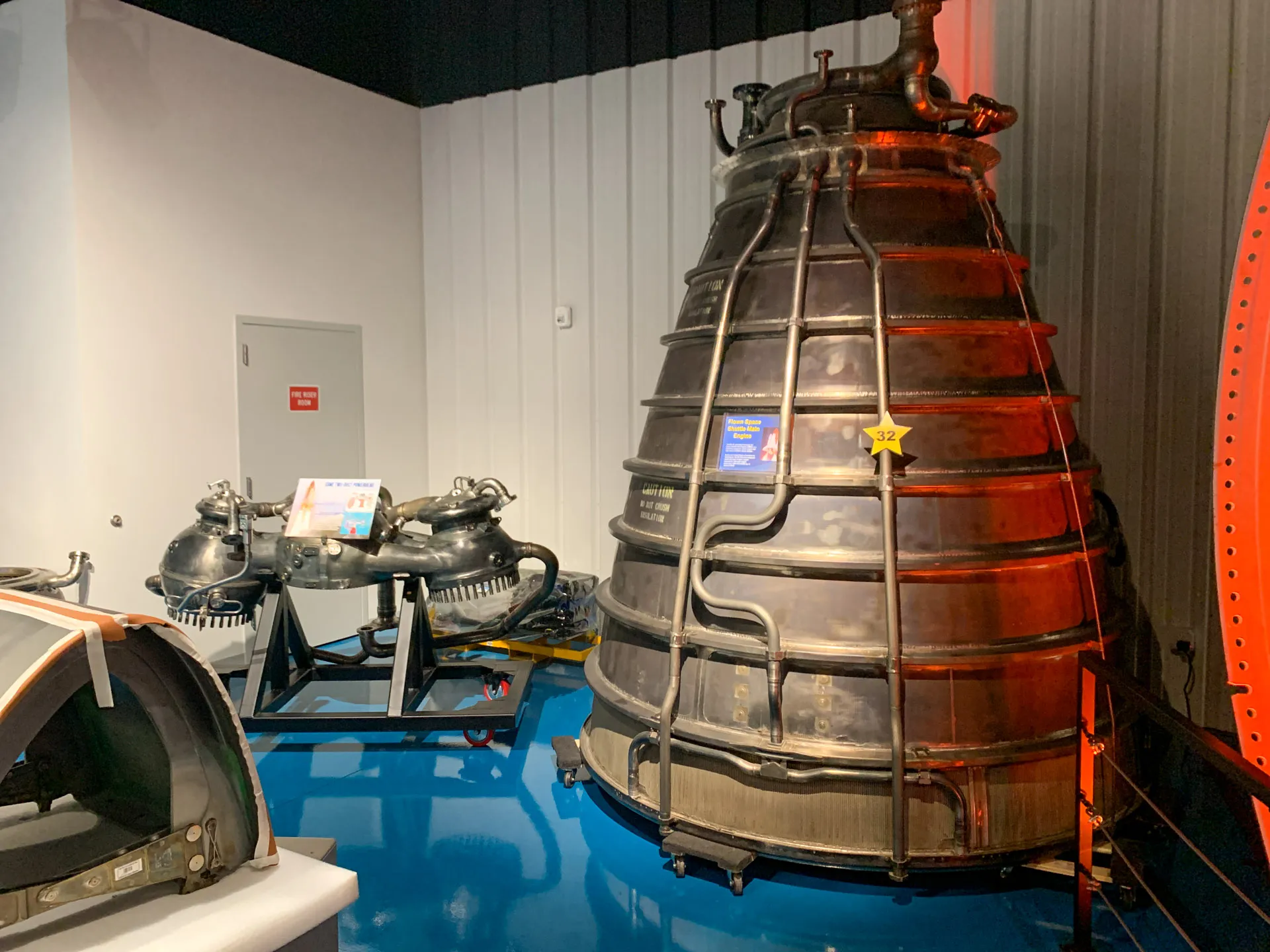
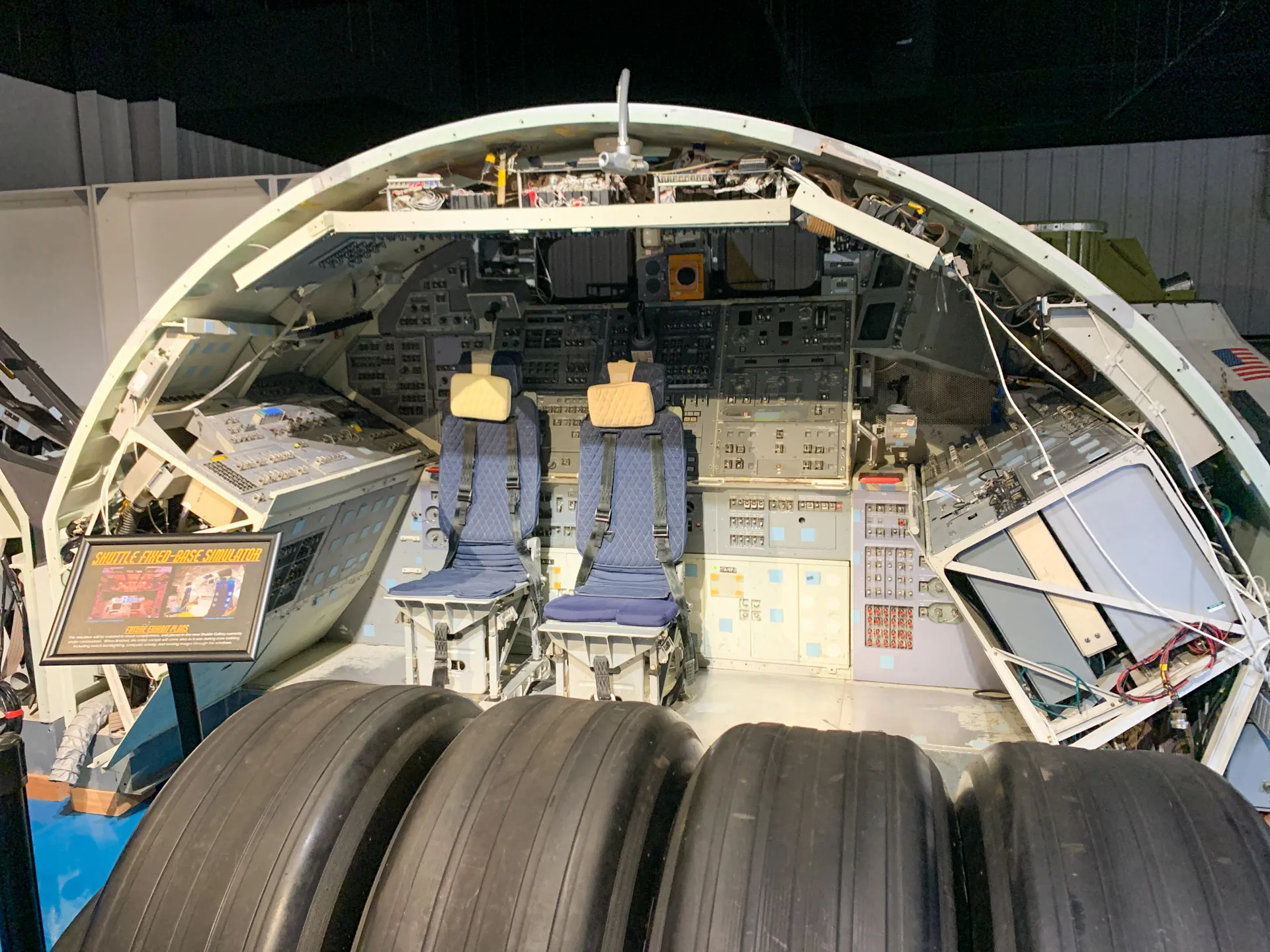
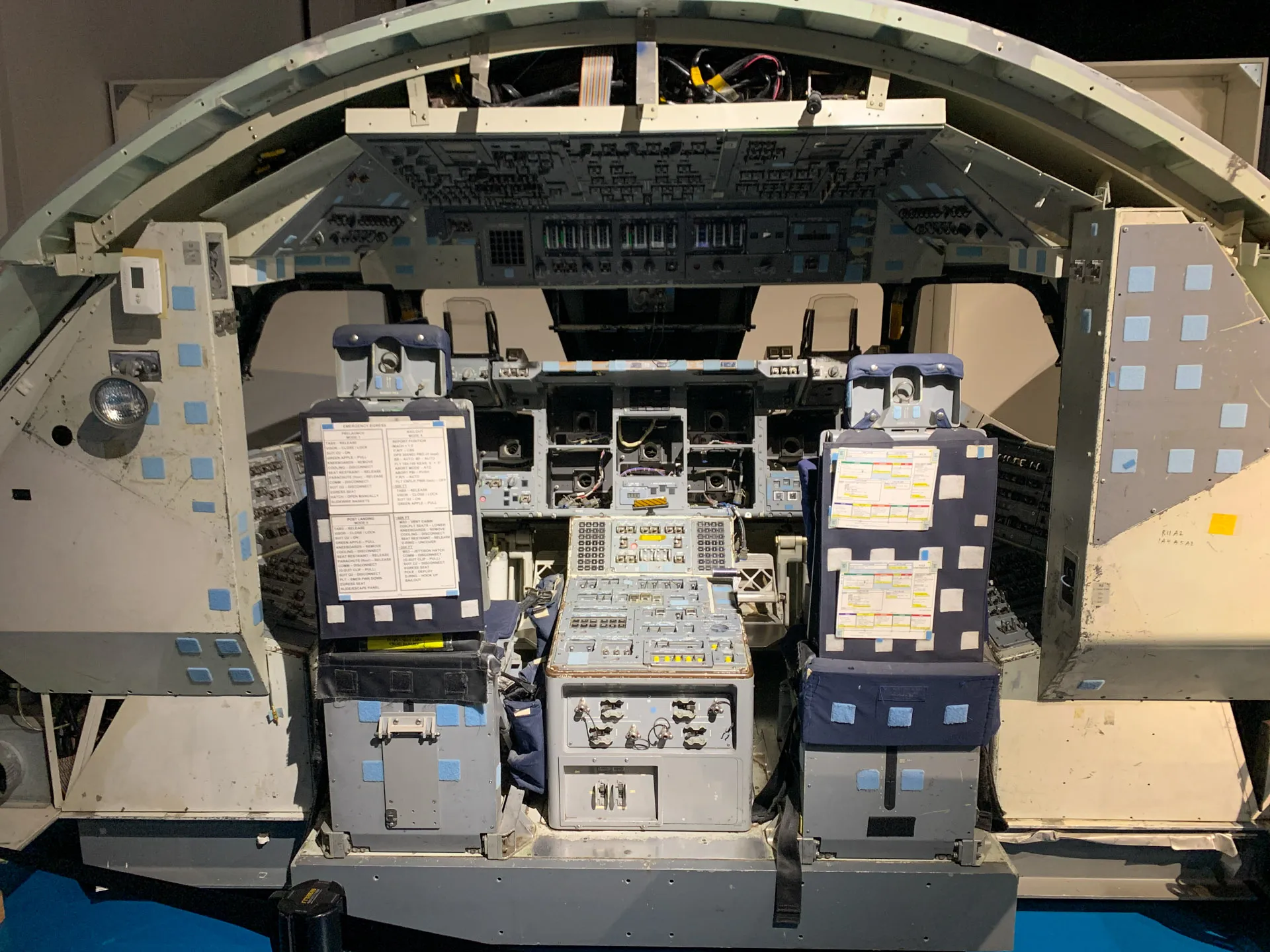
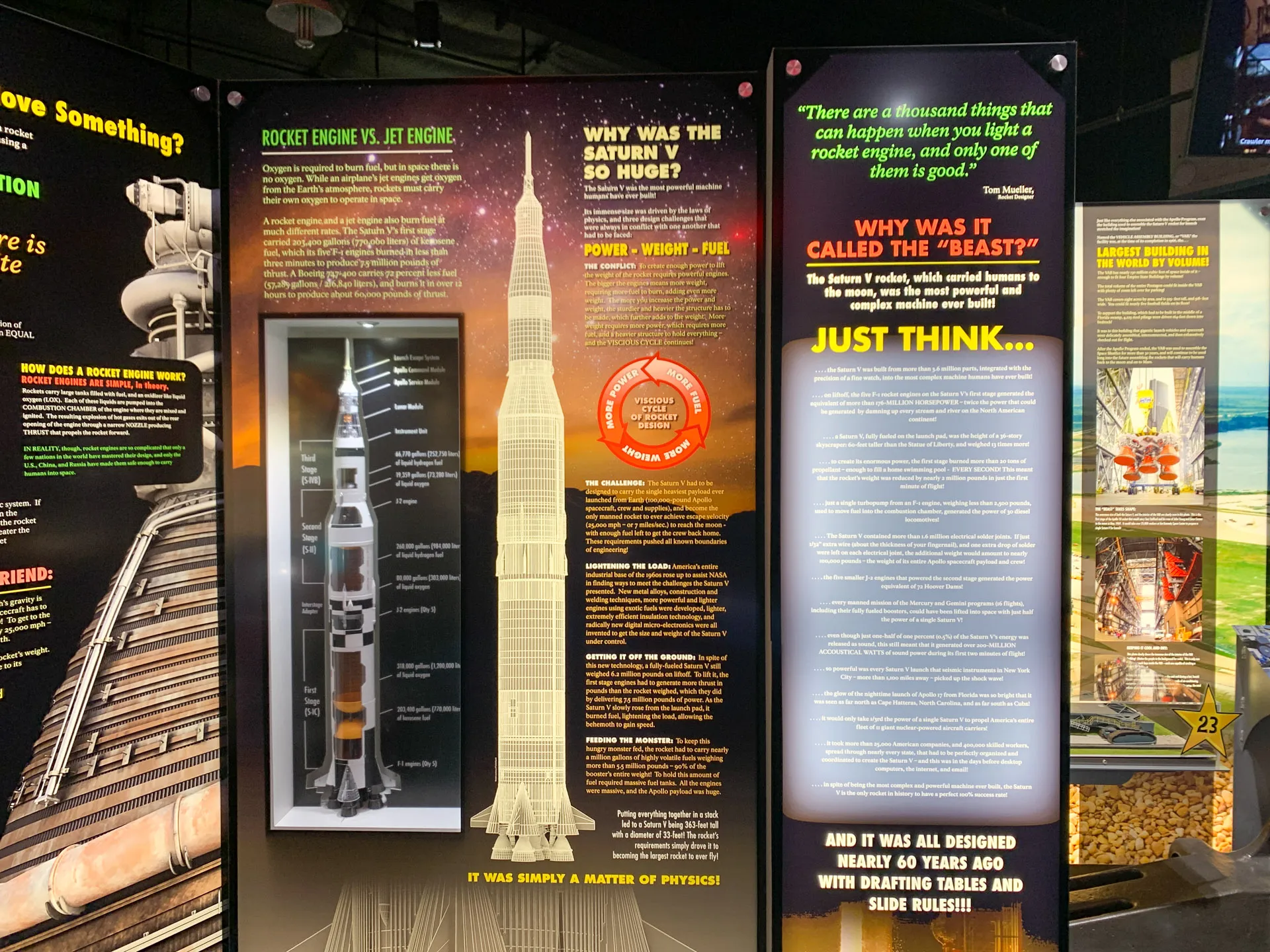
The rocket displays at the Stafford Air & Space Museum are nothing short of awe-inspiring. Towering missiles and precision-engineered replicas give visitors a front-row seat to the technological leaps that launched humanity into space. From early ballistic missiles like the Titan II — the very rocket that carried Gemini missions into orbit — to detailed models of the Saturn V and Space Shuttle, the collection showcases the evolution of rocketry in vivid, tangible form. These aren’t just cold machines; they represent daring ambitions, relentless experimentation, and the triumph of science over gravity.
Many of the rockets on display tie directly to General Stafford’s own missions, giving the exhibit a deeply personal connection to history. Interpretive panels explain not only how these rockets worked but why they mattered — in the space race, in national defense, and in the broader human quest for exploration. Whether you’re a seasoned space nerd or a curious traveler, standing beneath these towering engines of discovery reminds you just how bold the journey to the stars really is.
I spent hours wandering the displays, reading everything, and remembering reading about these rockets and watching historical footage of their launches.




There is so much more in this museum that I could spend days working on this travel journal entry, but I’ll leave a photo gallery at the bottom of this page, and you can poke through more of the photos I took. If you ever find yourself driving on I-40 in Oklahoma, you absolutely must stop and spend at least a few hours in this excellent museum honoring one of America’s most incredible astronauts and military heroes.
As I drove away from the museum, I couldn’t help but smile. I took a different route, and at the other entrance sits an F-4. The F-4 was the fighter aircraft at McConnell Air Force Base when I was a kid that the F-16 replaced.