Black Kettle National Grassland

National Treasure Visited #10 on Shea’s Ultimate American Quest
First Experienced During Quest On: November 10, 2023

Black Kettle National Grassland is a hidden gem spanning over 31,000 acres in western Oklahoma and the Texas Panhandle. It offers a unique blend of rolling prairie, woodlands, and wetlands, providing vital habitat for a diverse range of wildlife, including white-tailed deer, wild turkey, quail, and migratory birds. Its varied landscape makes it a popular destination for outdoor activities such as hiking, birdwatching, fishing, and hunting.

Named after the Southern Cheyenne Chief Black Kettle, the grassland holds deep historical significance. It stands near the site of the 1868 Battle of the Washita, where Chief Black Kettle and his people were attacked by the U.S. Cavalry under Lt. Col. George Custer. Today, the grassland serves as a place for reflection and remembrance, preserving the memory of Native American history and resilience.

Black Kettle National Grassland is part of America’s national grassland system, playing a key role in soil conservation, water management, and ecosystem restoration.

A peaceful lakeside scene at sunset, featuring a solitary camping chair on a grassy bank. Calm water reflects the cloudy sky. Trees with autumn leaves line the far shore, and dry grass surrounds the area, creating a serene, tranquil atmosphere.

Shea's Videos and Travel Journal Entries Tagged with Black Kettle National Grassland

Sign at the entrance to Washita Battlefield National Historic Site and Black Kettle and McClellan Creek National Grasslands. Featuring logos, it stands against a clear blue sky with a nearby leafless tree. The ground is covered in dry grass, echoing the site's historical significance.
After visiting the Sand Creek Massacre site a few years ago, I knew that visiting where Peace Chief Black Kettle was killed was high on my list of National Treasures to experience.
A black Jeep SUV with a small, grey teardrop trailer is parked near a sign for the Skipout Lake Recreation Area. The arid landscape features sparse trees and a wooden fence running along the road under a clear blue sky.
After a fantastic day at the Stafford Air & Space Museum, I needed a quiet place to camp and work for the weekend. Skipout Lake provided that plus a peaceful setting to enjoy the water.
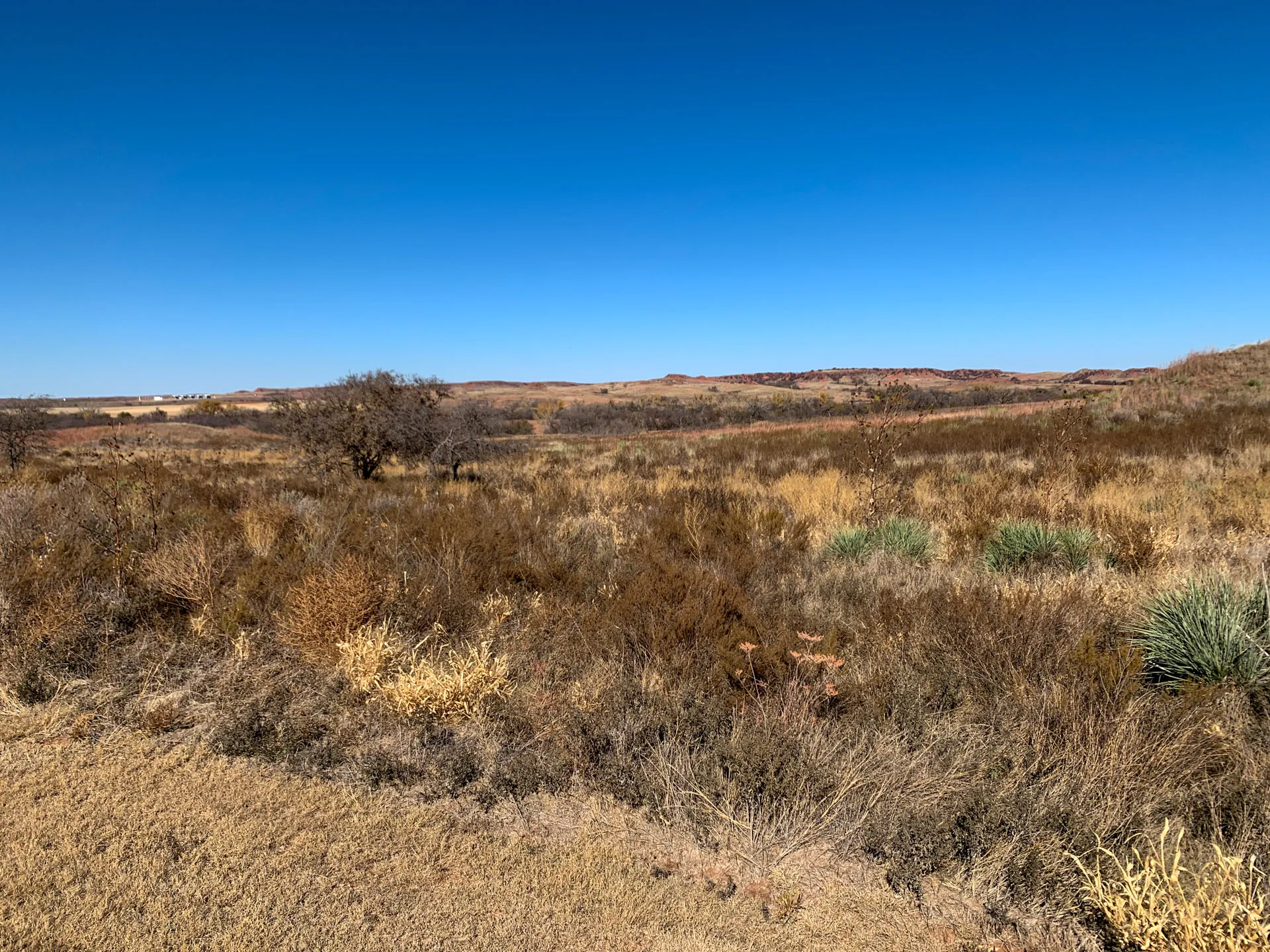
Dry grassland landscape under clear blue sky, featuring sparse, brown vegetation and a few bushes. Distant low hills in the background add depth to the scene. The foreground displays a mix of dried grasses and plants, emphasizing the arid, open terrain.
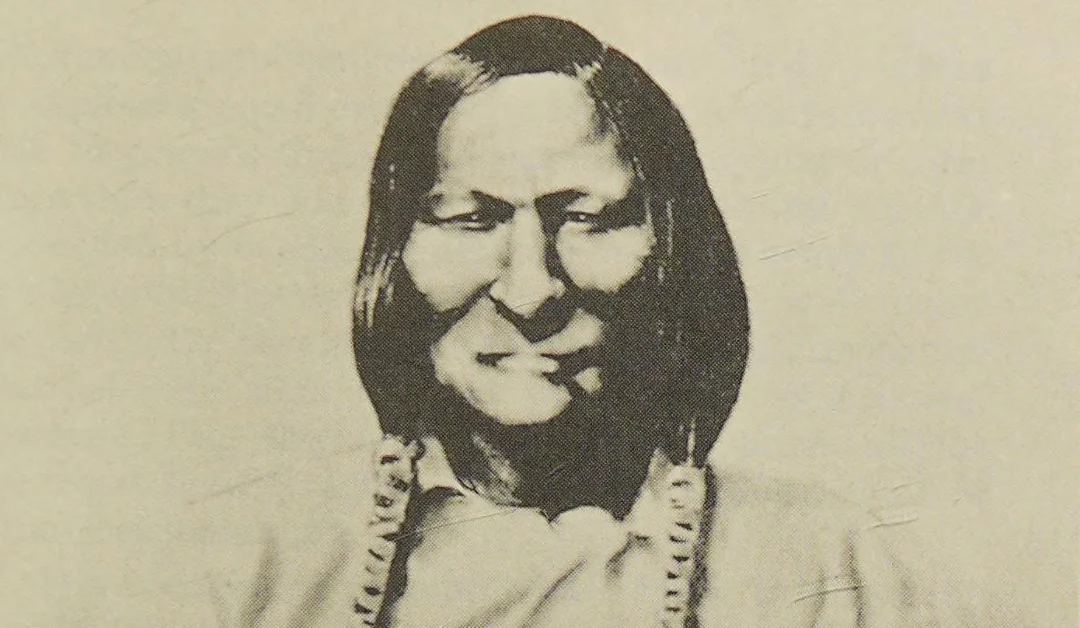
A monochromatic portrait of a Native American Cheyenne Peace Chief Black Kettle in traditional attire. The person, with long, dark hair and a calm expression, wears textured garments. A plain background highlights the subject's features and attire.
A trailhead sign for the Washita Battlefield is surrounded by a wooden fence on a grassy area under a clear blue sky. The landscape features dry grass and shrubbery. A concrete path leads to the sign with informational boards nearby. Distant rolling hills are visible.
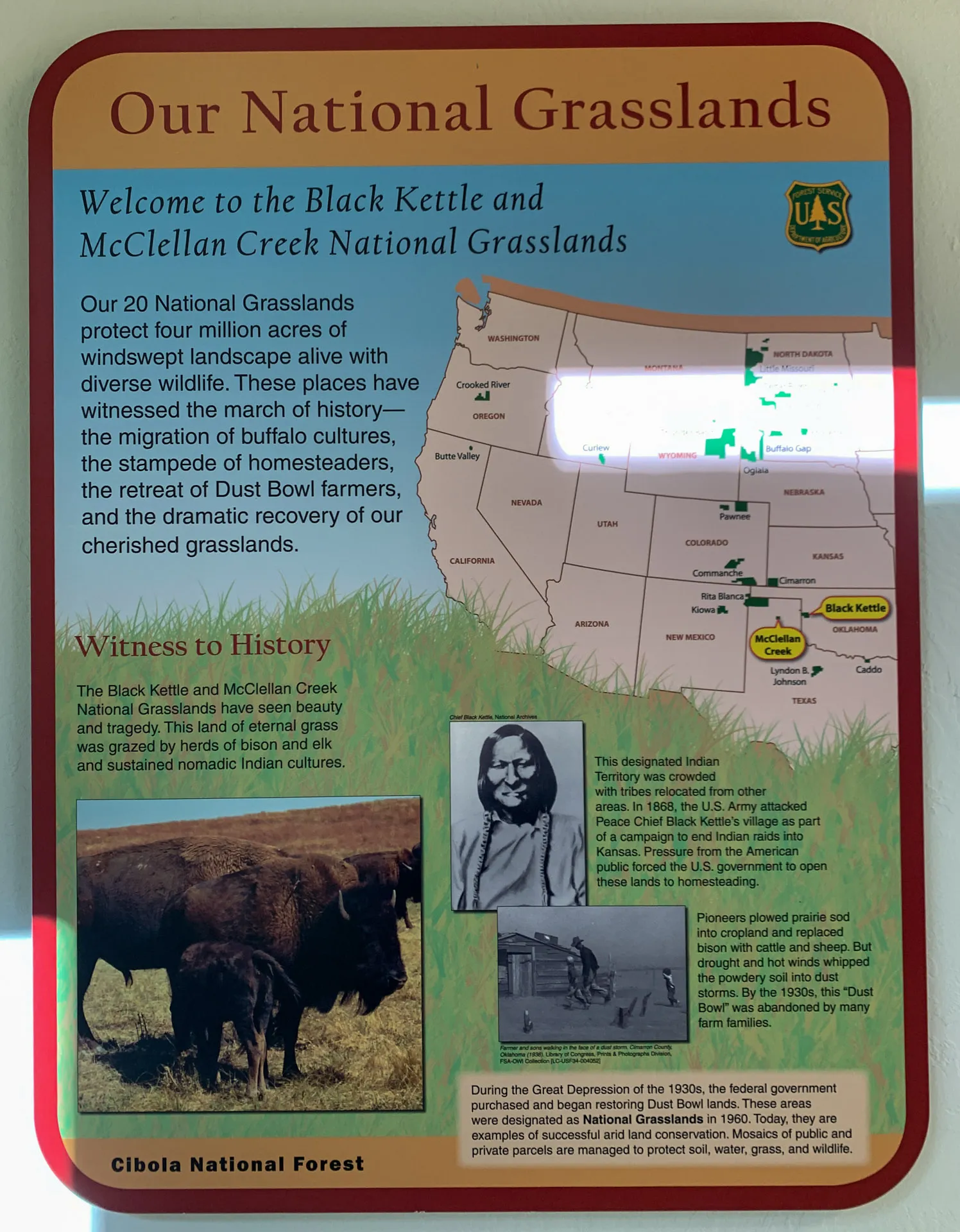
A sign titled "Our National Grasslands" with a map of locations, highlighting Black Kettle and McClellan Creek. Below, images of local wildlife, the Great Depression era, and a historical narrative about the Dust Bowl. Emblems include the U.S. Forest Service logo. Cibola National Forest noted.
A narrow dirt path winds through tall, reddish-brown prairie grass under a clear blue sky. The open landscape stretches to the horizon, with sparse trees and shrubs dotting the rolling terrain in the distance. The scene evokes a sense of tranquility and vastness.
A peaceful lakeside scene at sunset, featuring a solitary camping chair on a grassy bank. Calm water reflects the cloudy sky. Trees with autumn leaves line the far shore, and dry grass surrounds the area, creating a serene, tranquil atmosphere.