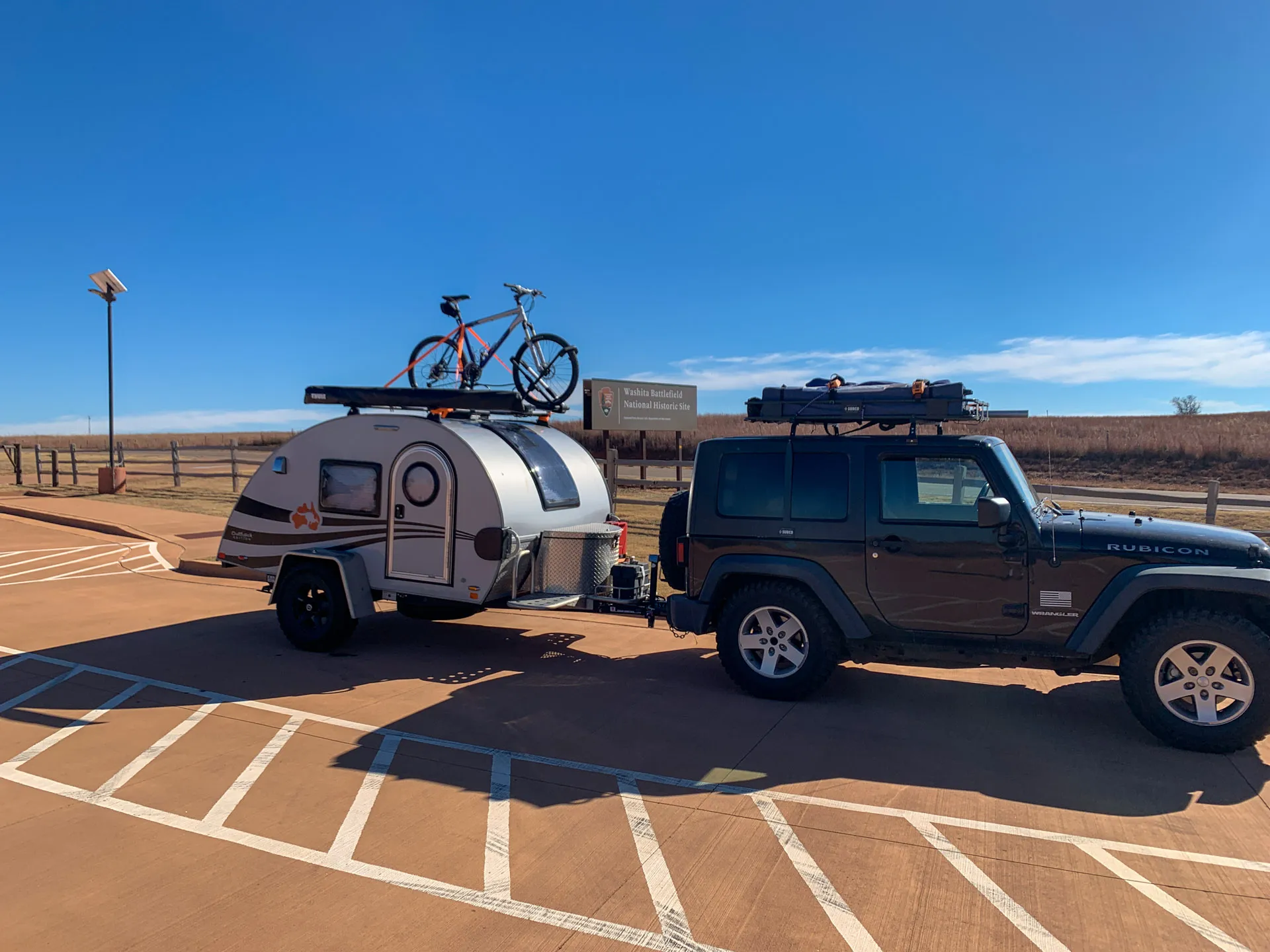
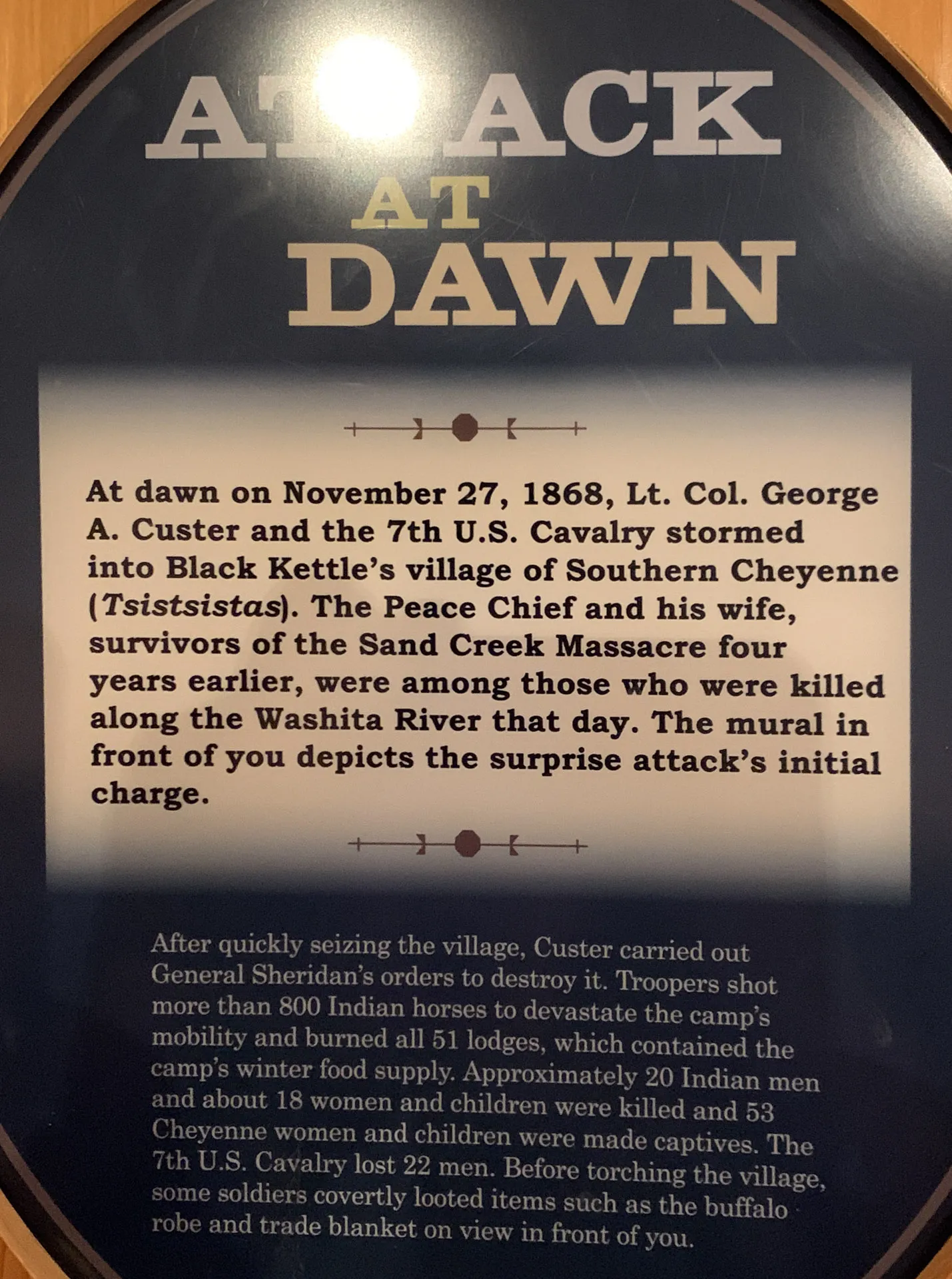
In the early morning hours of November 27, 1868, the crisp silence of the Washita River was broken by the sounds of gunfire, thundering hooves, and the chaotic shouts of soldiers and warriors. It was here, on the frozen plains of what is now western Oklahoma, that George Armstrong Custer and the 7th Cavalry attacked the winter camp of Chief Black Kettle and his band of Cheyenne.

To understand the tragedy that unfolded at the Washita Battlefield, we must begin a few years earlier — at Sand Creek — where Black Kettle had already endured one devastating betrayal. I visited Sand Creek years before and was prepared for the story of the final betrayal of Cheyenne Peace Chief Black Kettle and his wife, Medicine Woman.
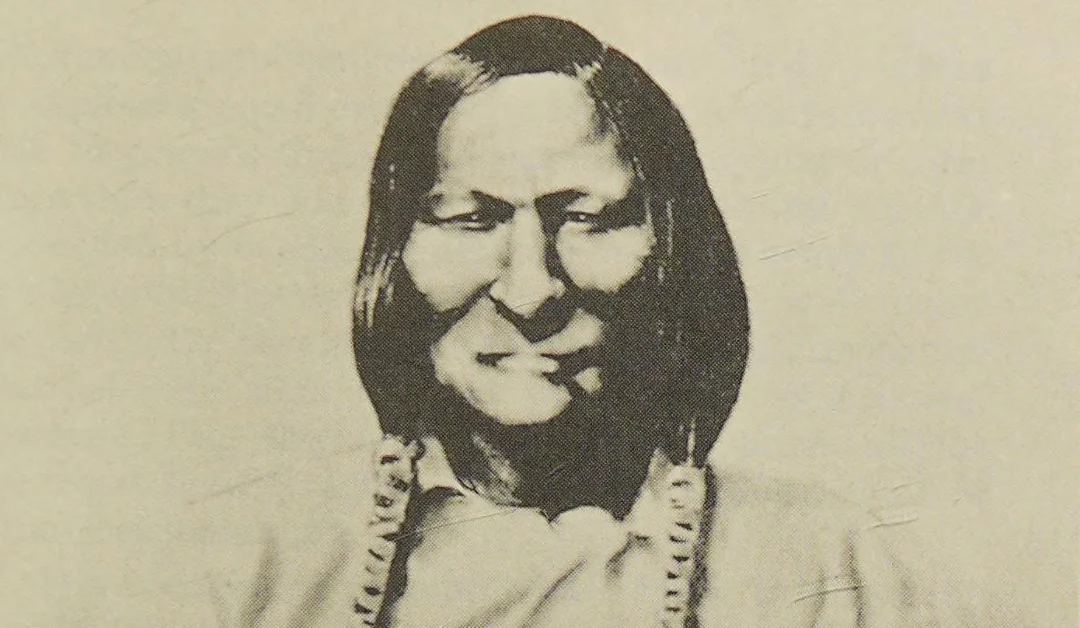
Sand Creek (1864)
Chief Black Kettle had always been a voice for peace. While many of his fellow Cheyenne were responding to increasing U.S. aggression with raids and resistance, Black Kettle sought a diplomatic path. He believed peace could be secured if his people demonstrated their willingness to coexist with white settlers and military forces.
In November 1864, Black Kettle and his band of Cheyenne were camped at Sand Creek in present-day Colorado. They were under the assumption that they were safe; Black Kettle had approached military leaders and received assurance that his people would not be harmed if they flew an American flag over their camp alongside a white flag of truce.
But on the morning of November 29, 1864, Colonel John Chivington led 700 Colorado volunteers in a brutal attack on the camp. The soldiers stormed the village, killing between 150 and 200 Cheyenne, most of them women, children, and the elderly.
The carnage was unspeakable — bodies were mutilated, and even those trying to surrender were cut down. The Sand Creek Massacre National Historic Site now protects the site of the slaughter.
Black Kettle himself narrowly escaped with his wife, Medicine Woman Later, despite being shot multiple times as they tried to flee across the creek. His trust in the promises of the U.S. government was shattered, but even after this massacre, Black Kettle continued to believe that peace was possible.
The Road to Washita
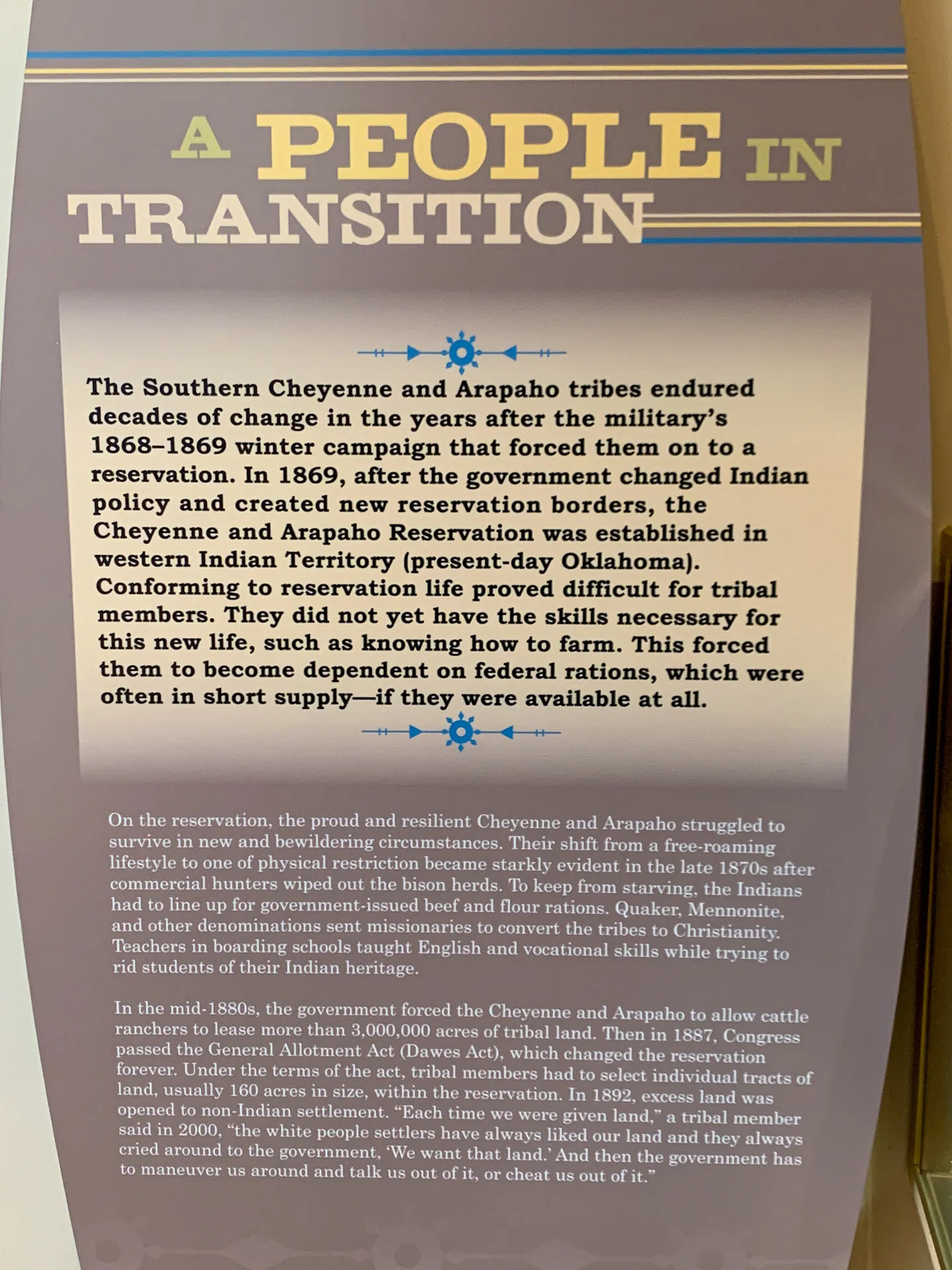
After Sand Creek, Black Kettle moved his people south to Indian Territory (modern-day Oklahoma), hoping to avoid further conflict. But the cycle of violence between Native tribes and the U.S. military escalated in the following years, especially as settlers pushed westward and buffalo populations declined.
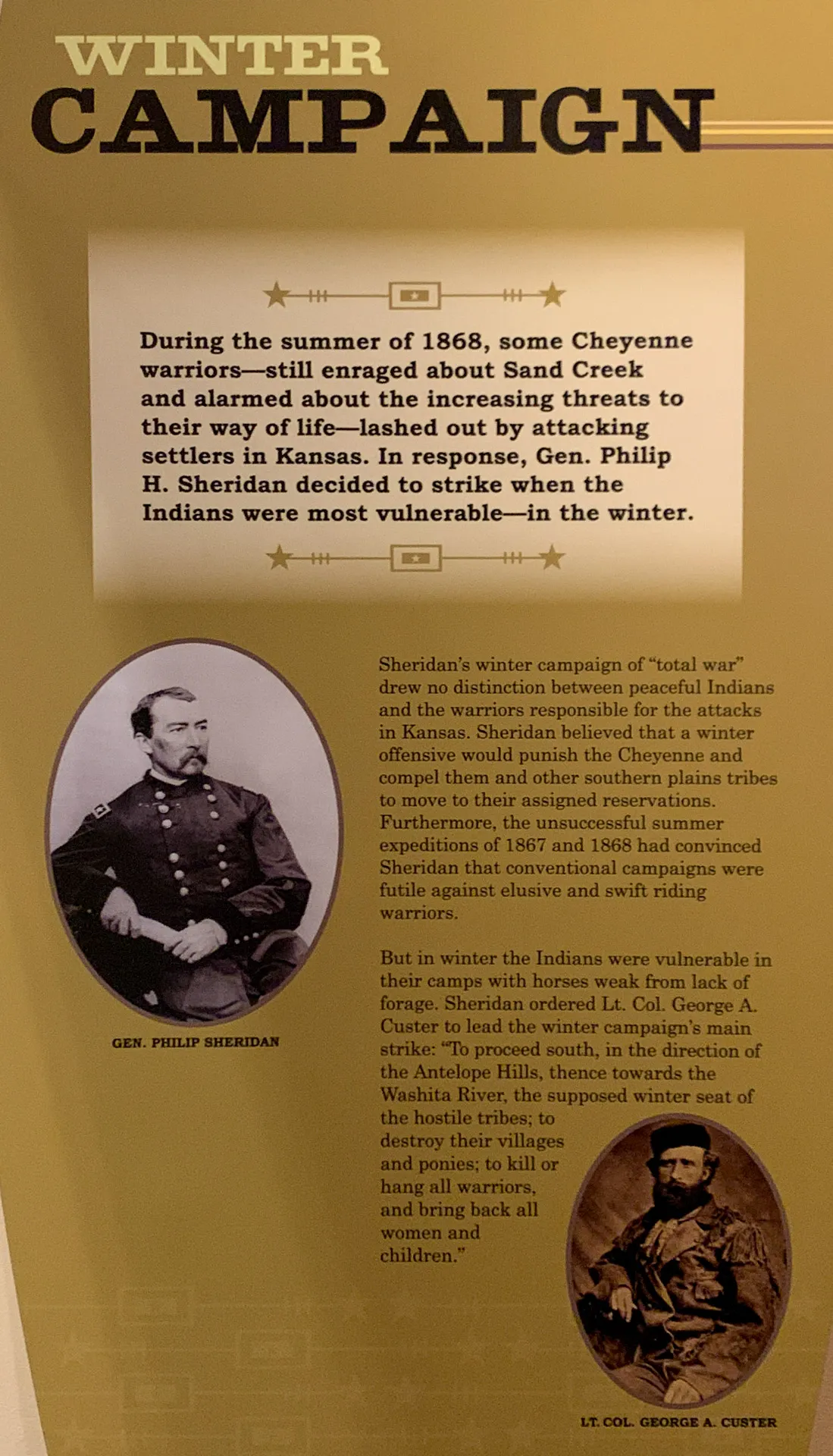
By 1868, the U.S. military had adopted a more aggressive strategy under the command of Philip Sheridan, who declared that to control the Plains tribes, the army would have to strike at them during winter — when food supplies were low, horses were weak, and tribes were gathered in their villages.
General George Armstrong Custer was chosen to lead this new campaign. Custer, known for his reckless bravery during the Civil War, was tasked with striking at Cheyenne and other Plains tribes to force them onto reservations. This would be a different kind of war — targeting not just warriors in battle but the entire foundation of tribal life.
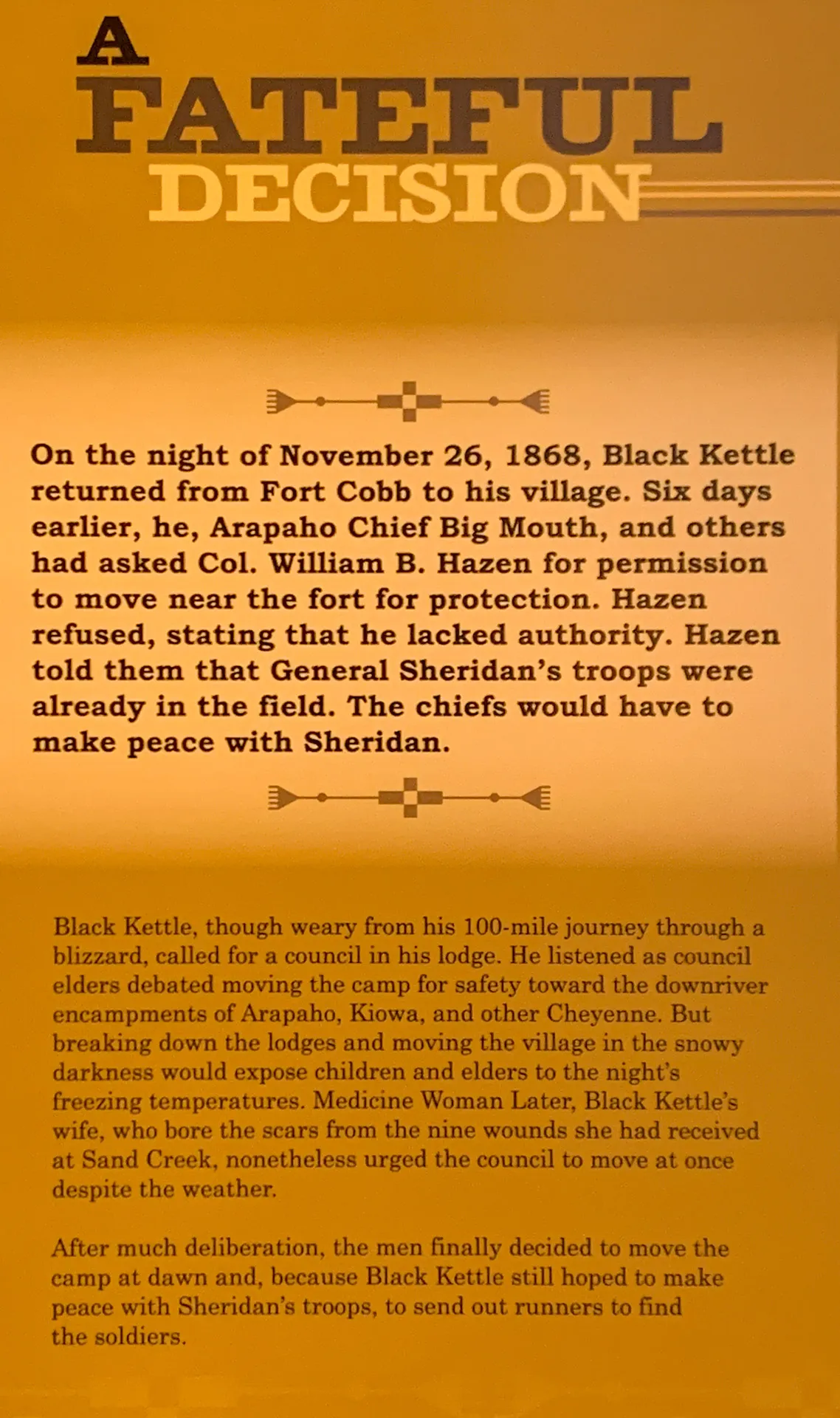
The decision outlined above likely sealed the camp’s fate, but up until this point, US Soldiers very rarely attacked during the winter or in darkness.
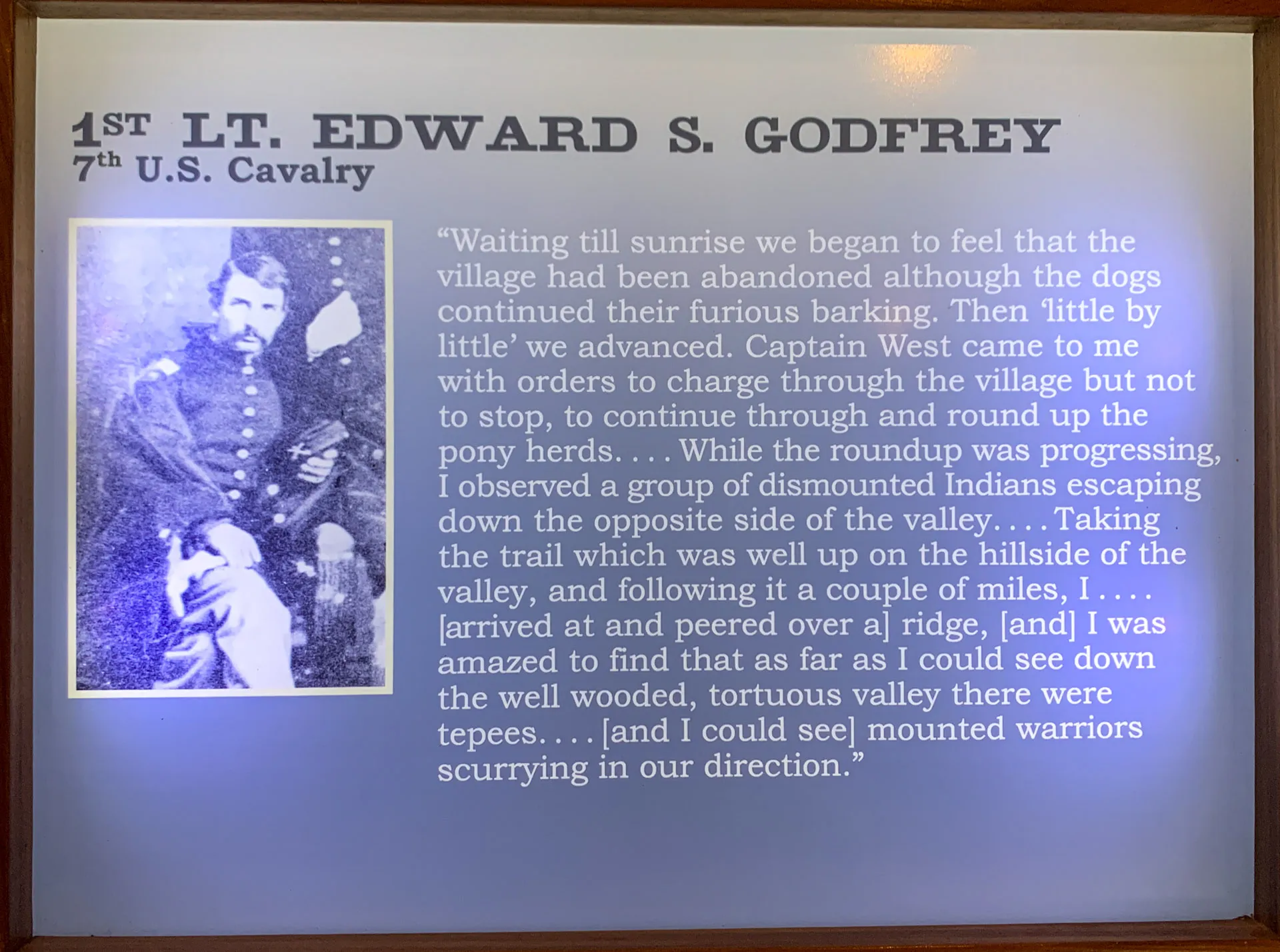
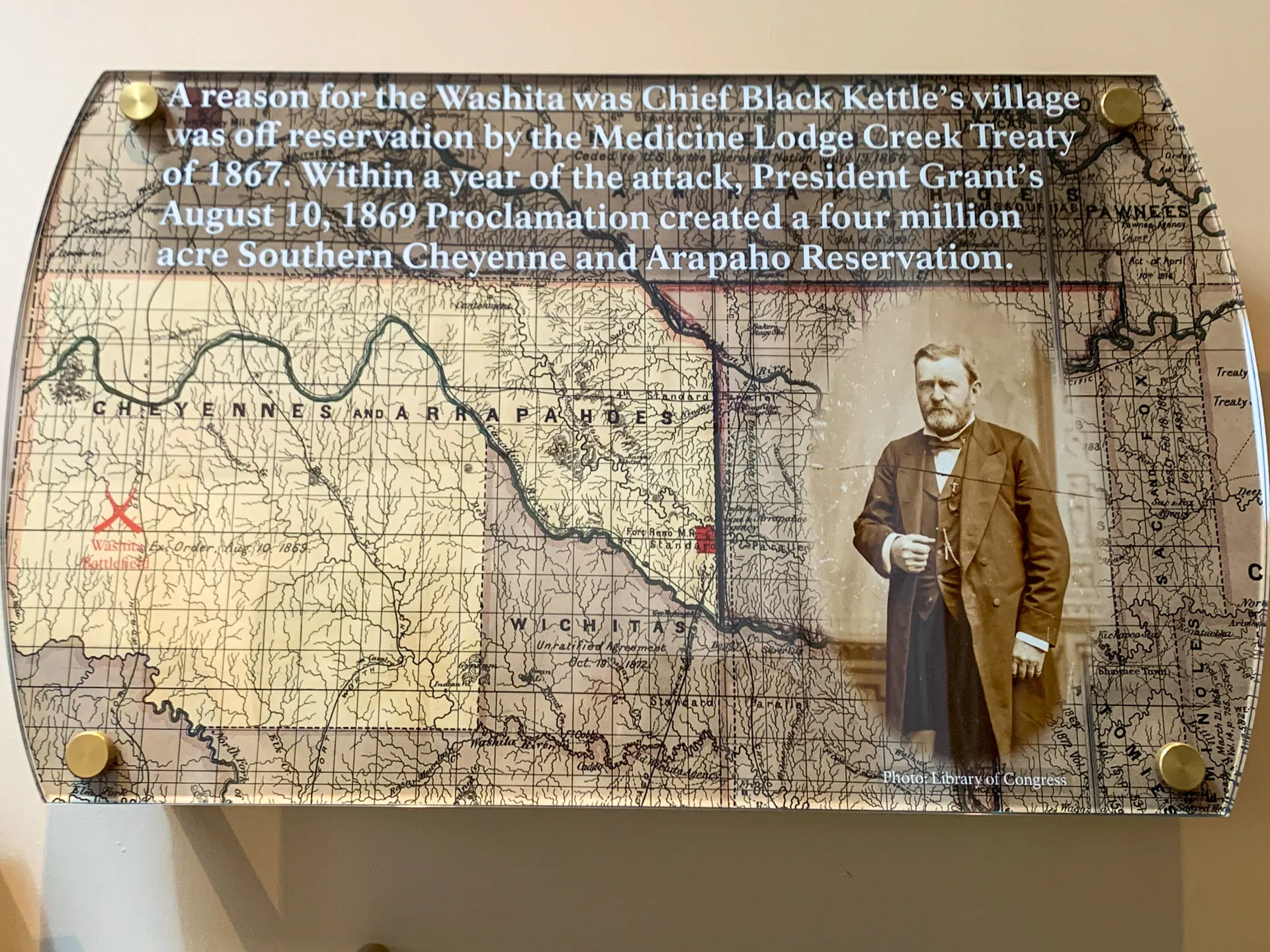
Unfortunately, on the same day, November 26, Custer’s scouts discovered Black Kettle’s village along the Washita River. Custer’s scouts failed to identify any other camps in the areas, including some led by war chiefs.
The village was relatively small — about 50 lodges — and populated mostly by women, children, wounded, and elders. Black Kettle’s warriors were few, as many young men were away hunting.
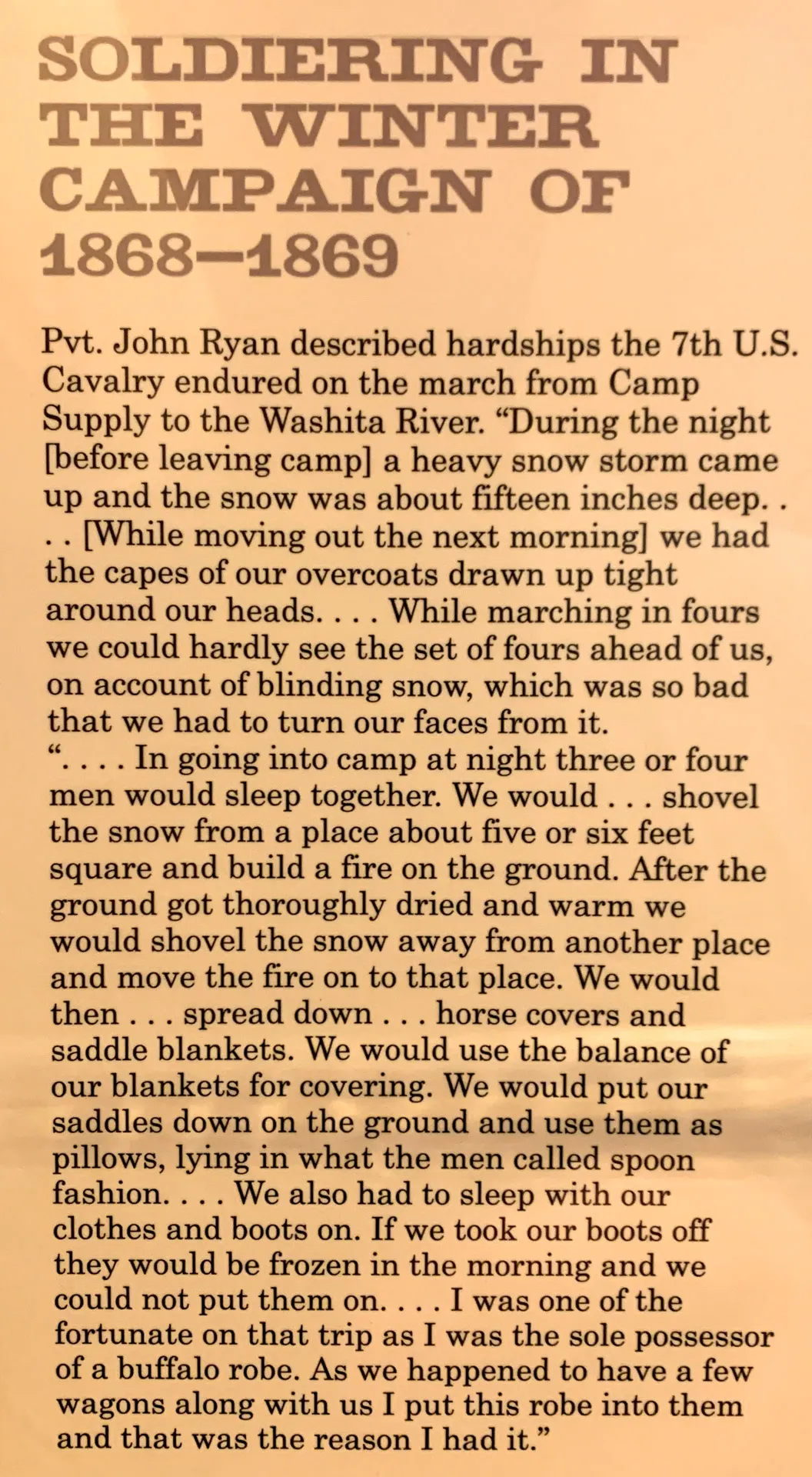
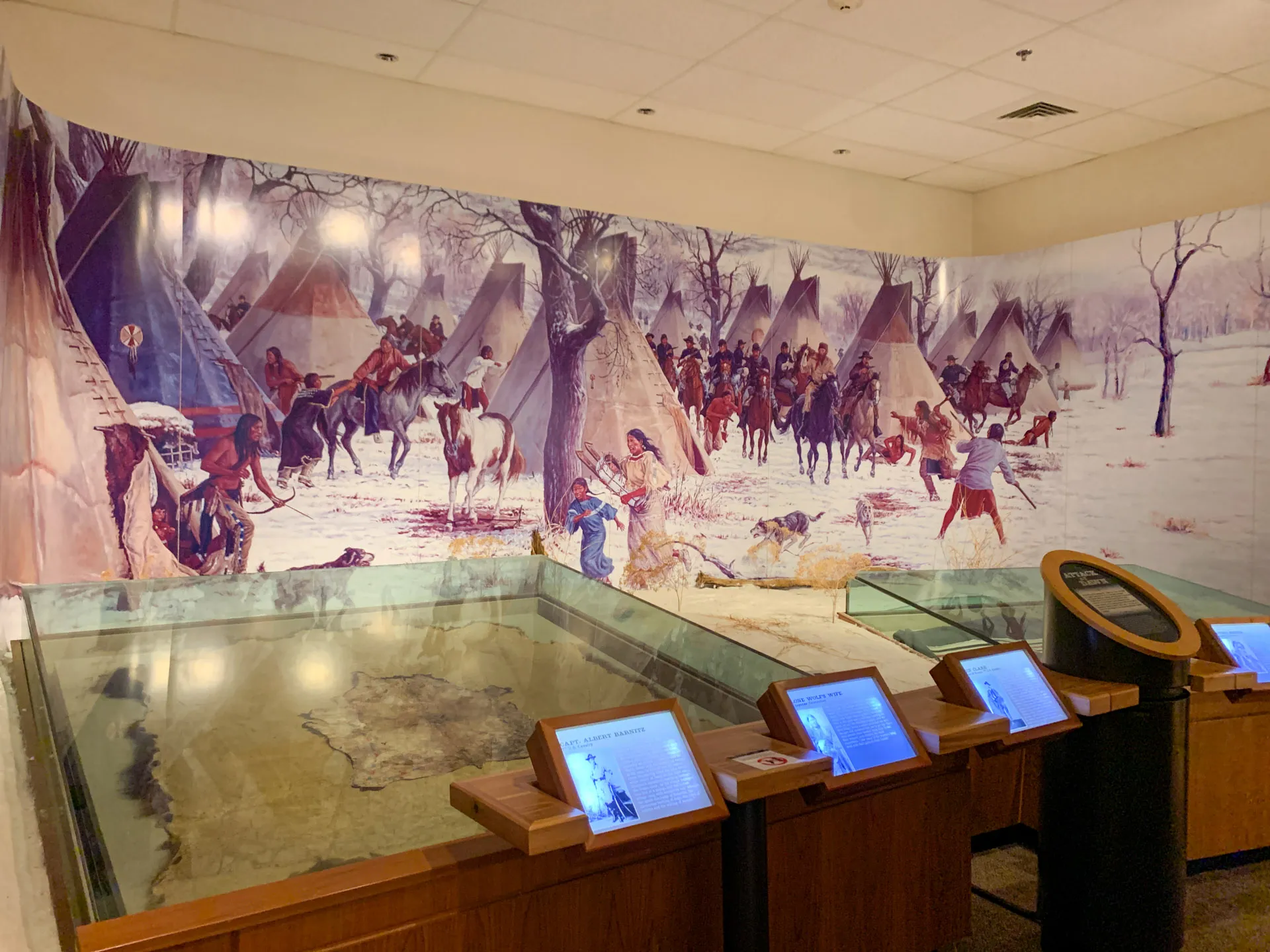
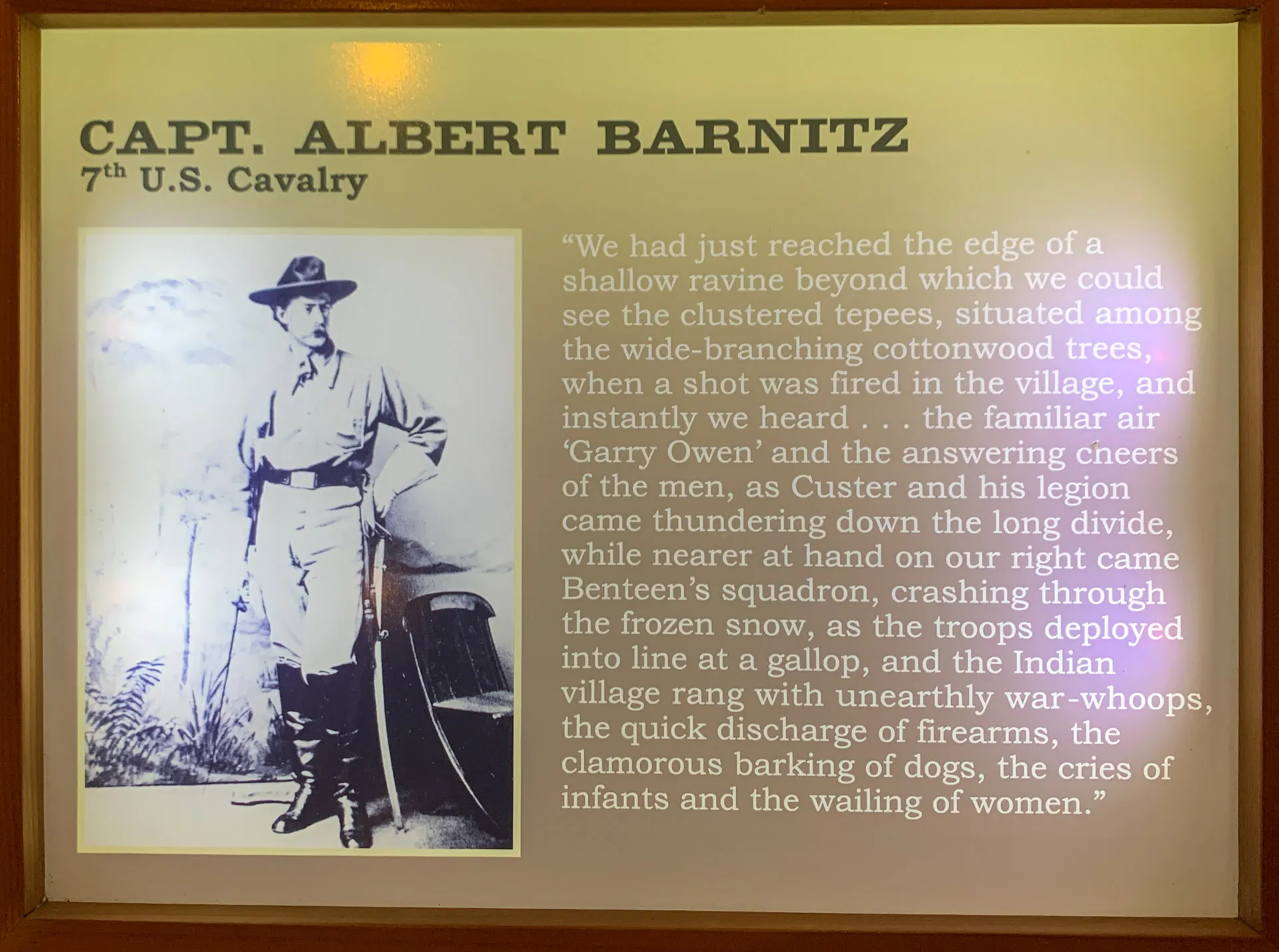
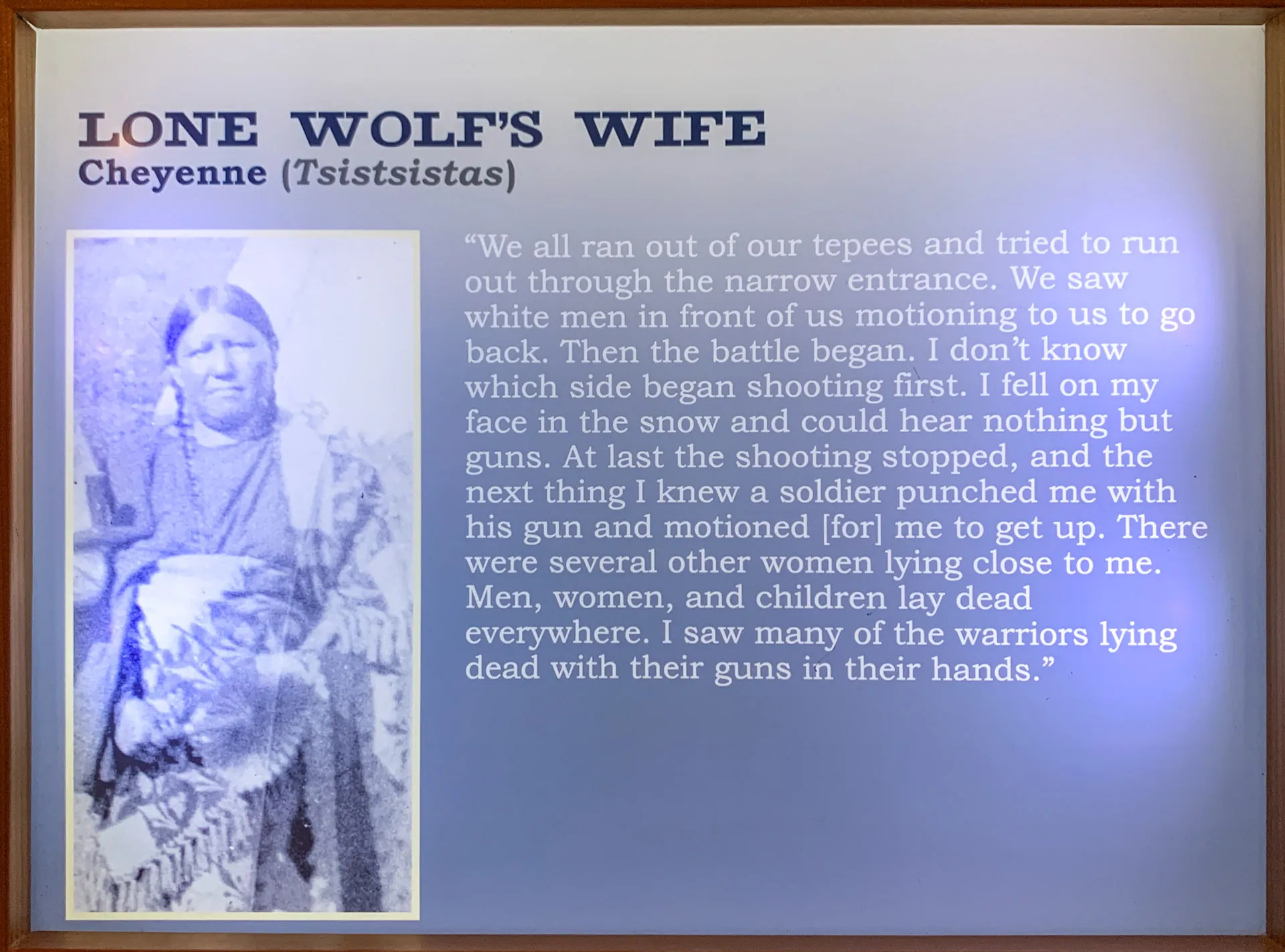
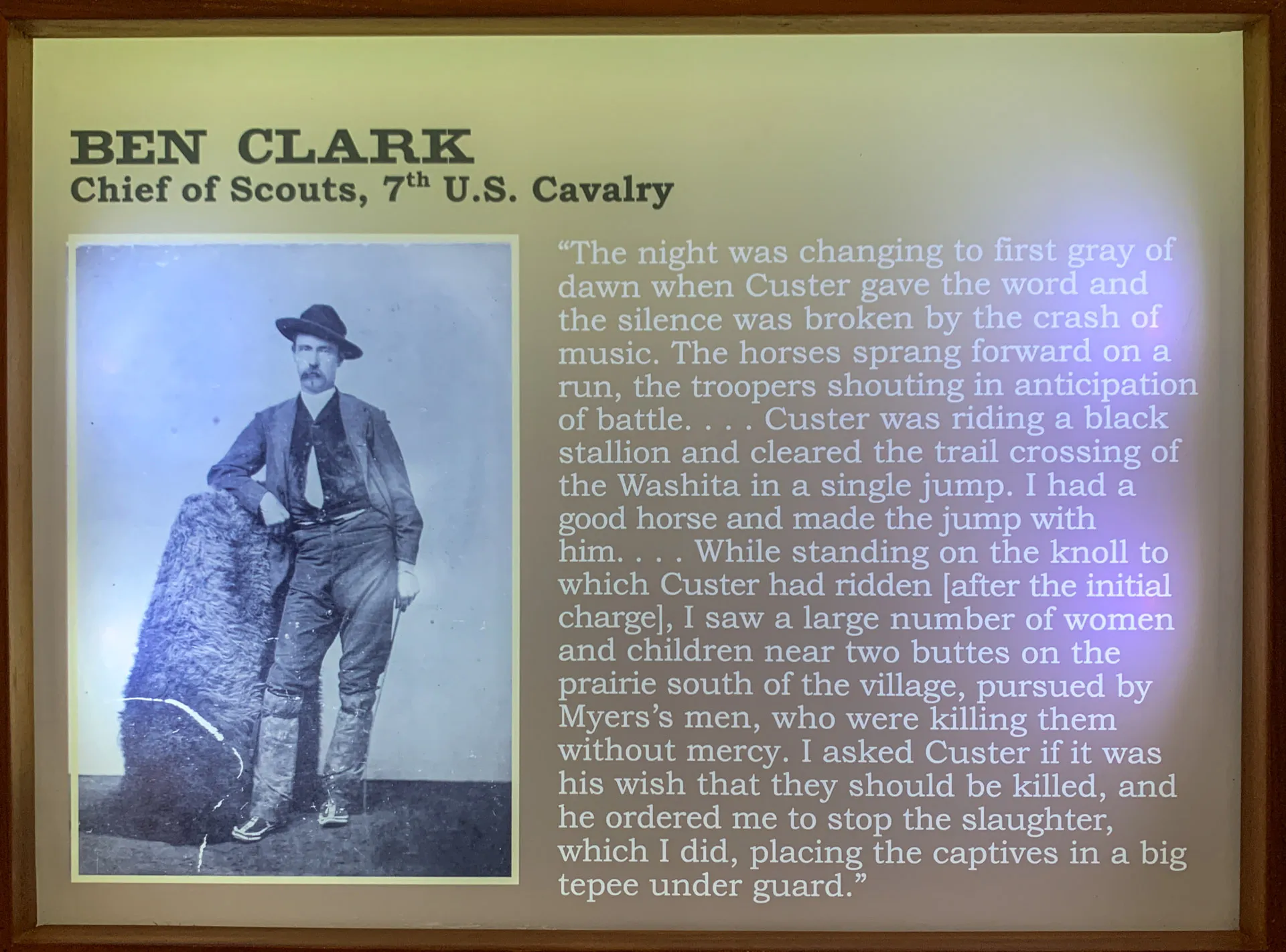
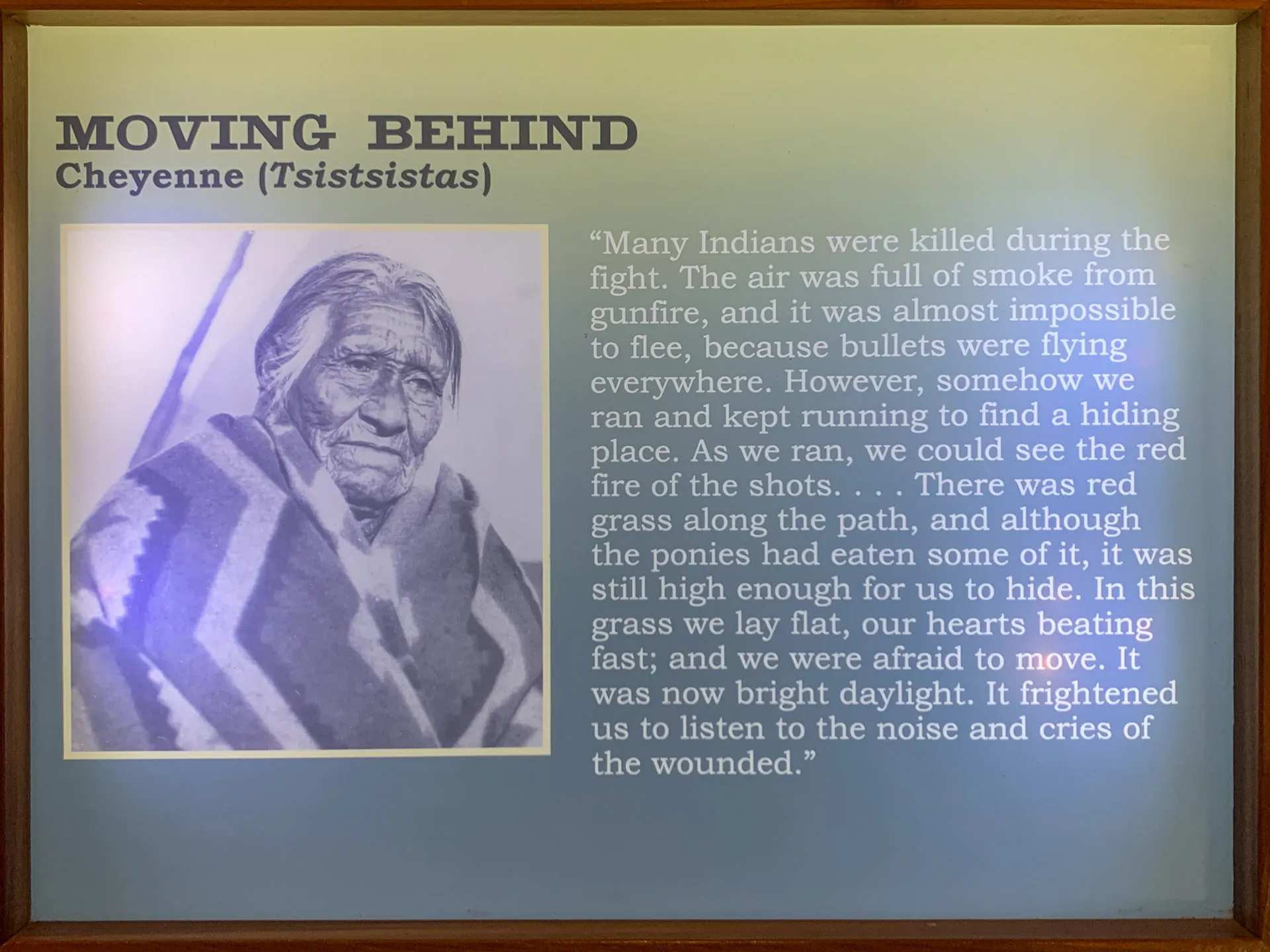
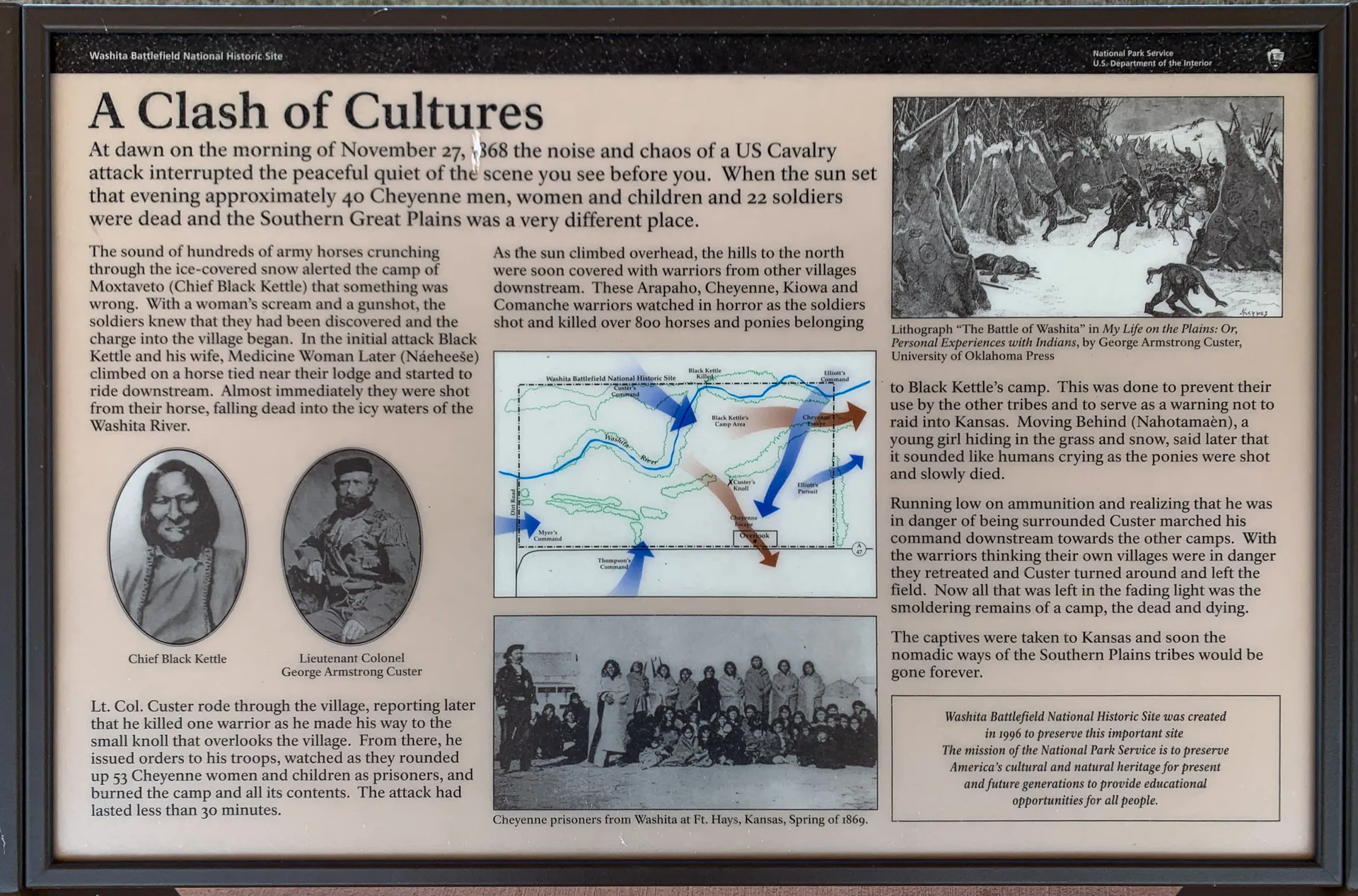
Before dawn on November 27, Custer divided his men into four columns and surrounded the village. At daybreak, the 7th Cavalry charged while snipers opened fire.
Black Kettle and Medicine Woman Later attempted to escape across the river, just as they had at Sand Creek. But this time, they were not so lucky. Both were shot and killed midstream.
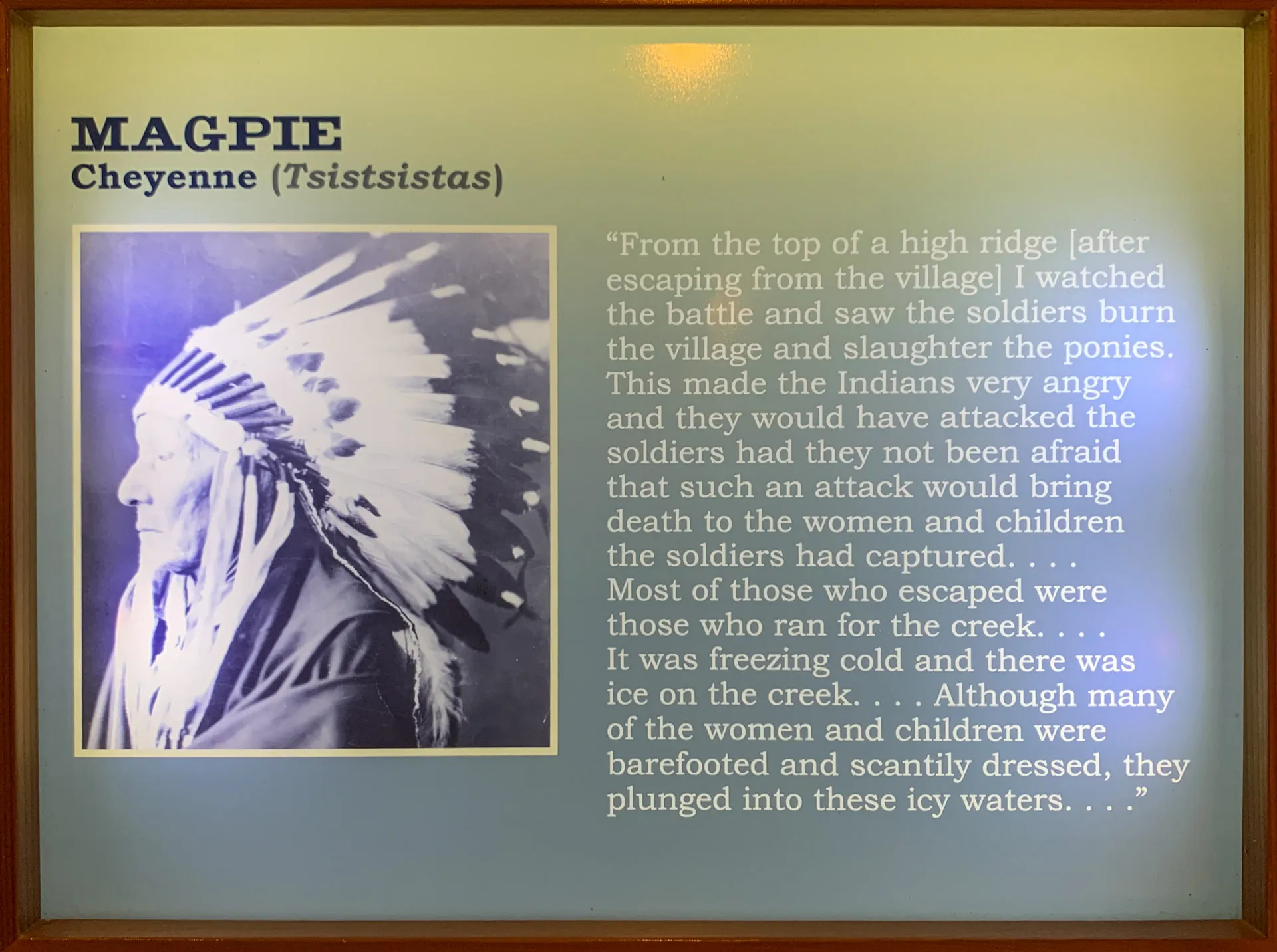
The attack was swift and brutal. Approximately 103 Cheyenne were killed, including many women and children. Custer’s men destroyed the village — burning lodges and capturing 53 women and children to use as hostages. With the hostages watching, Custer orders the killing of all the tribe’s horses.
The demoralized Cheyenne were forced to witness a second slaughter of 800 ponies.
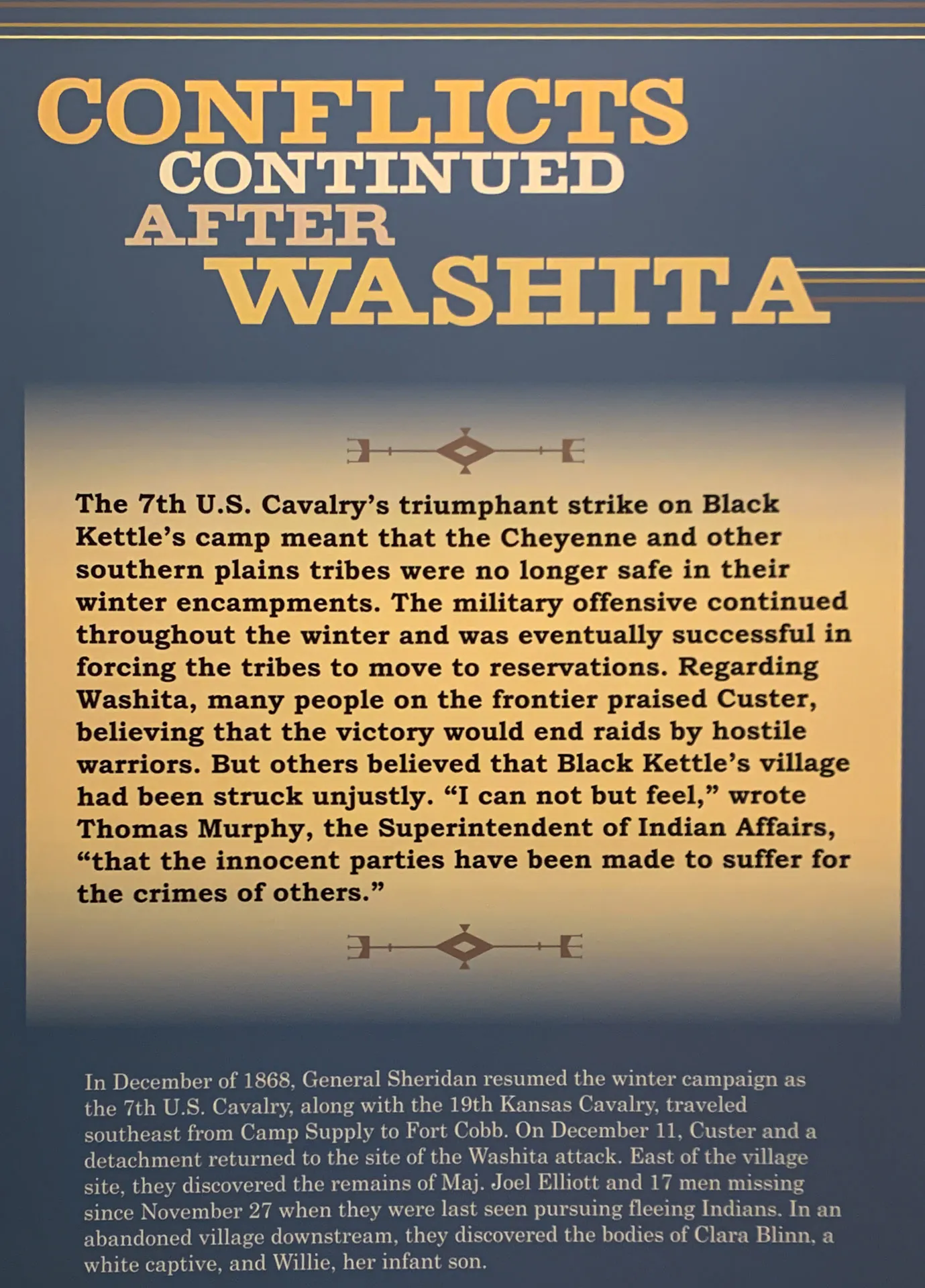
Custer presented the attack as a decisive military victory. But even among his men, some questioned the morality of attacking a village where non-combatants were the primary casualties.

A Shift in Strategy
What happened at Washita reflected a major shift in U.S. military strategy toward Native tribes. Before this period, most military campaigns focused on directly engaging warriors in open combat. But under Sheridan’s new orders, Custer targeted the very infrastructure of tribal life — villages, supplies, and horses — aiming to starve and cripple the tribes into submission.
Of course, the drive for westward expansion required the Native Americans to be painted as something other than what they were. While we may feel overwhelmed by the gaslighting from politicians, such as Donald Trump, it’s nothing new.
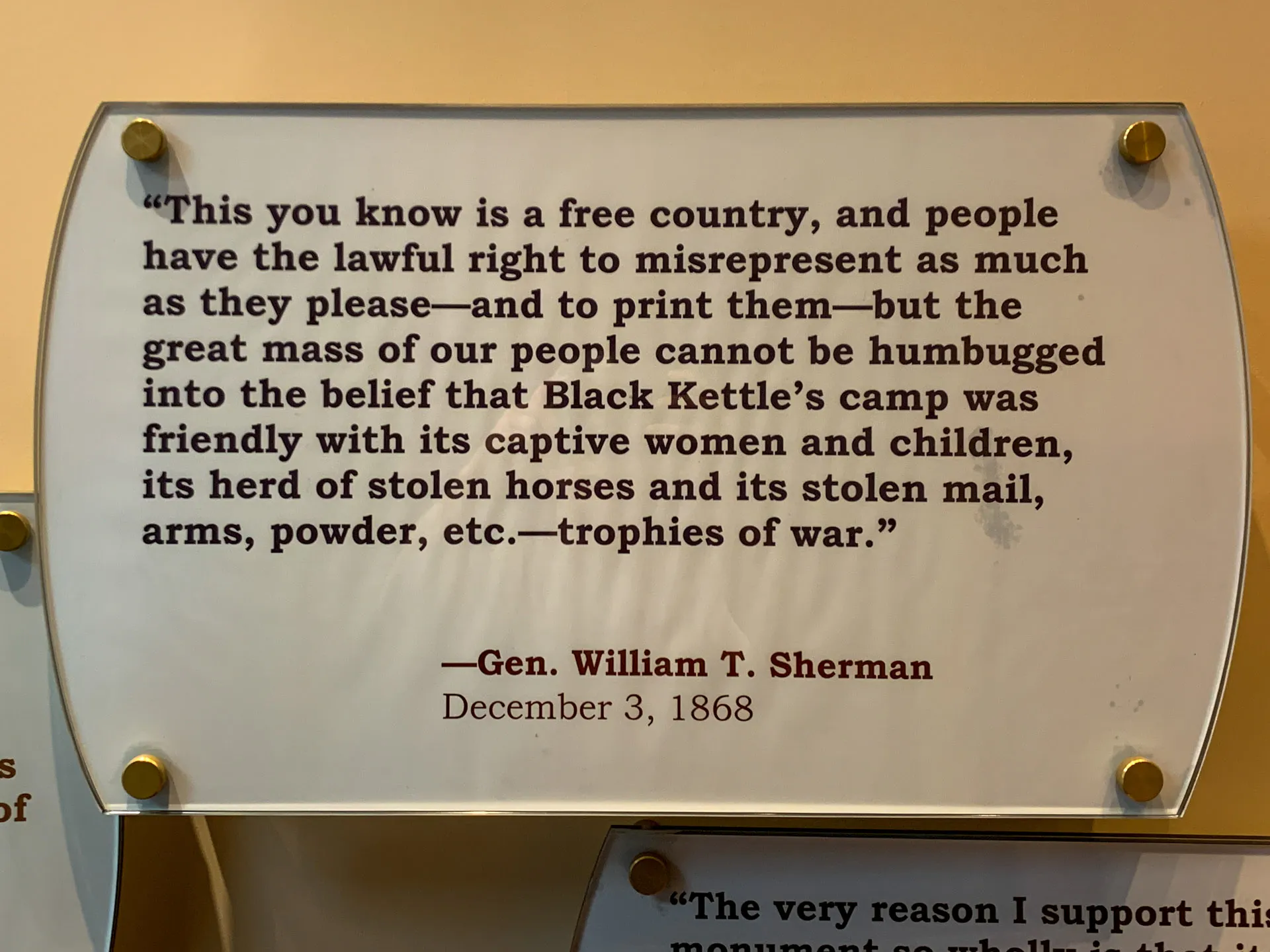
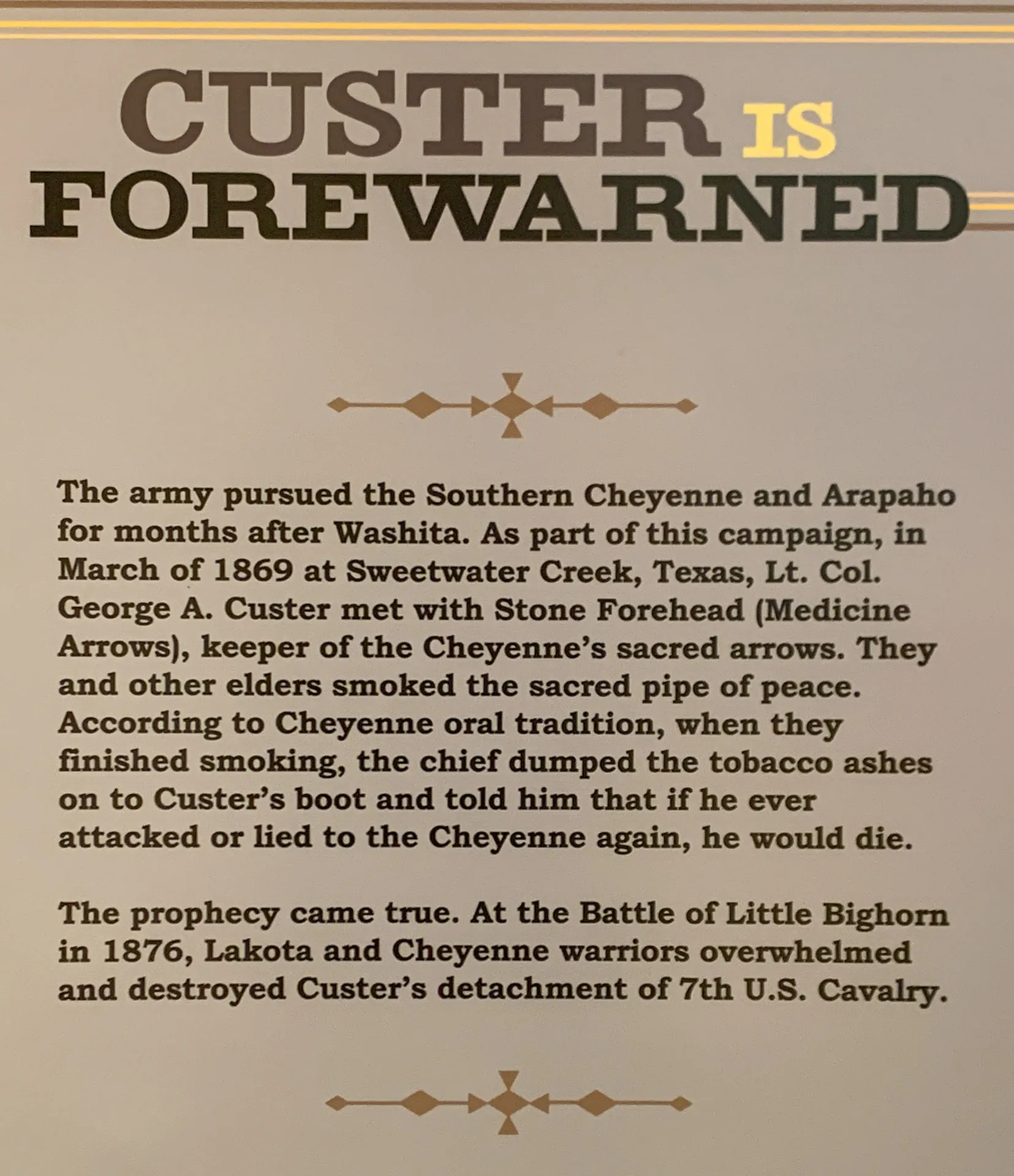
This strategy would ultimately lead to the broader collapse of Plains tribal resistance, culminating in events like the Battle of the Little Bighorn in 1876 — where Custer would meet his own end at the hands of the very tribes he had sought to destroy.
The Legacy of Chief Black Kettle
Black Kettle’s death at Washita symbolized the tragic failure of peace through diplomacy. He had survived Sand Creek, believing that peace was still possible — only to be betrayed once again. His death was not just the end of a leader but the crushing of hope for peaceful coexistence between the Cheyenne and the United States.
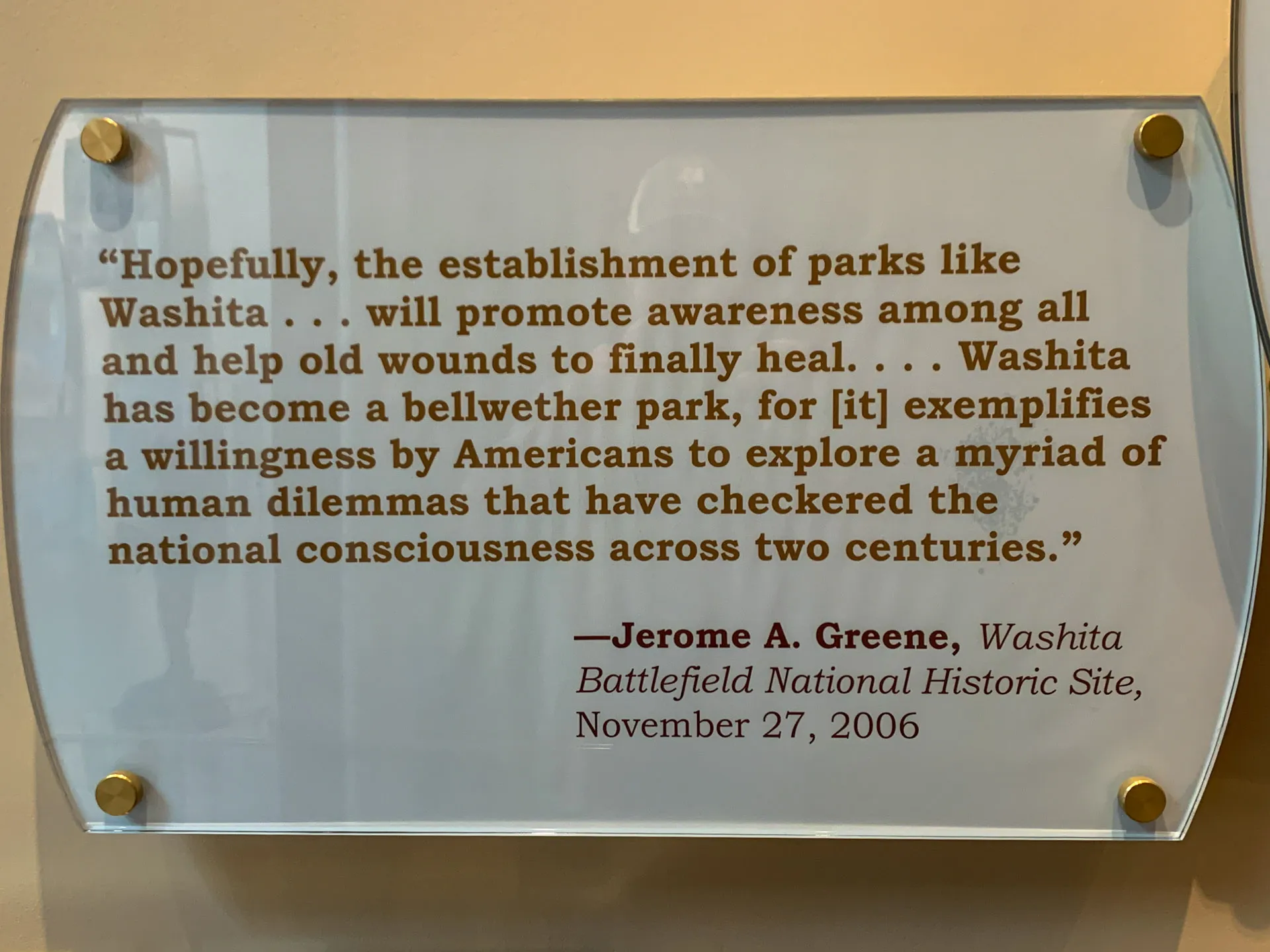
Today, the Washita Battlefield National Historic Site is a stark and honest reminder of this dark chapter in American history. The wind through the grass and the quiet flow of the Washita River seem to carry the echoes of Black Kettle’s final stand — a story of peace, betrayal, and the violent collision of two worlds.

Washita Battlefield National Historic Site Visitor Center
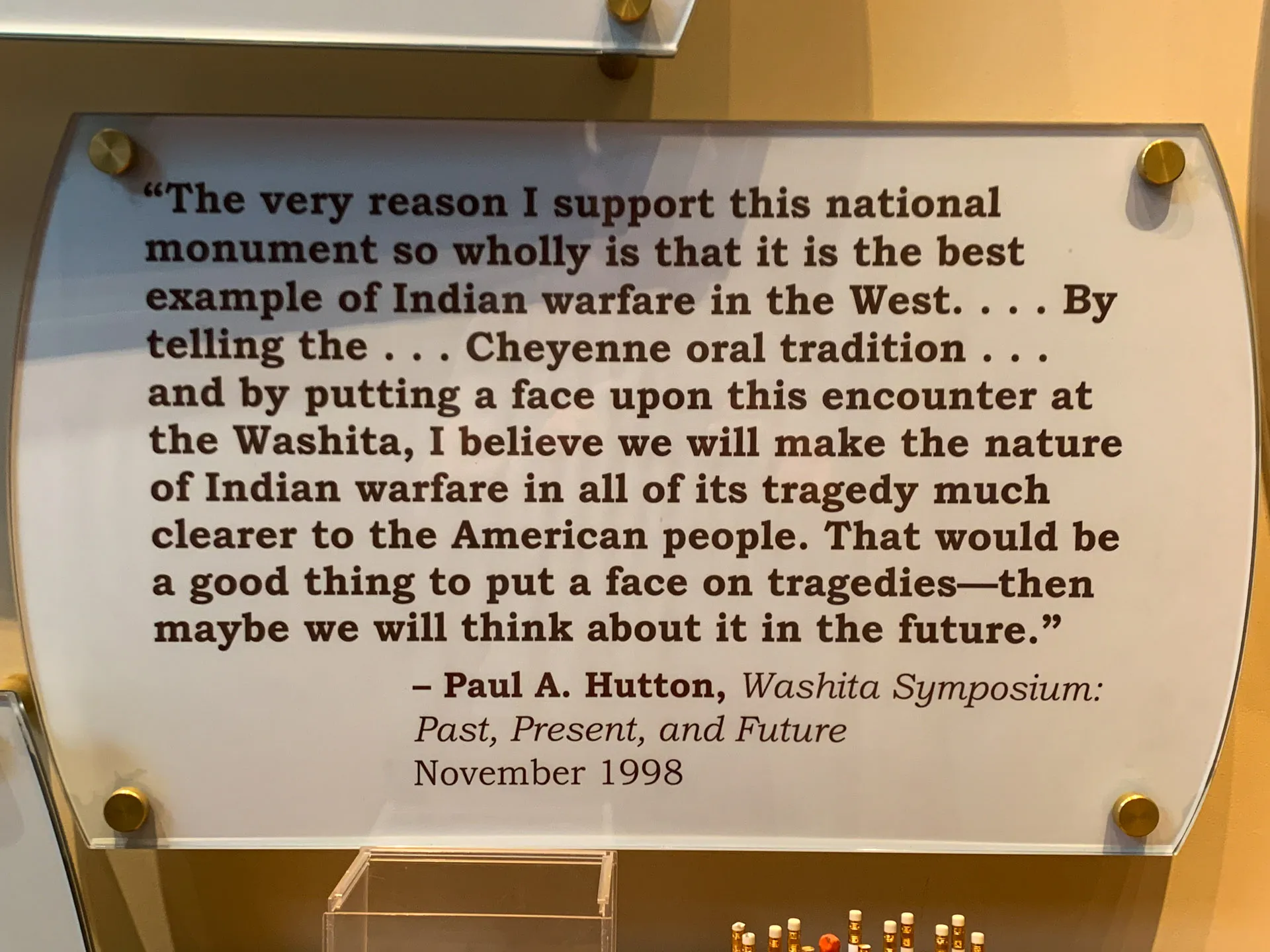
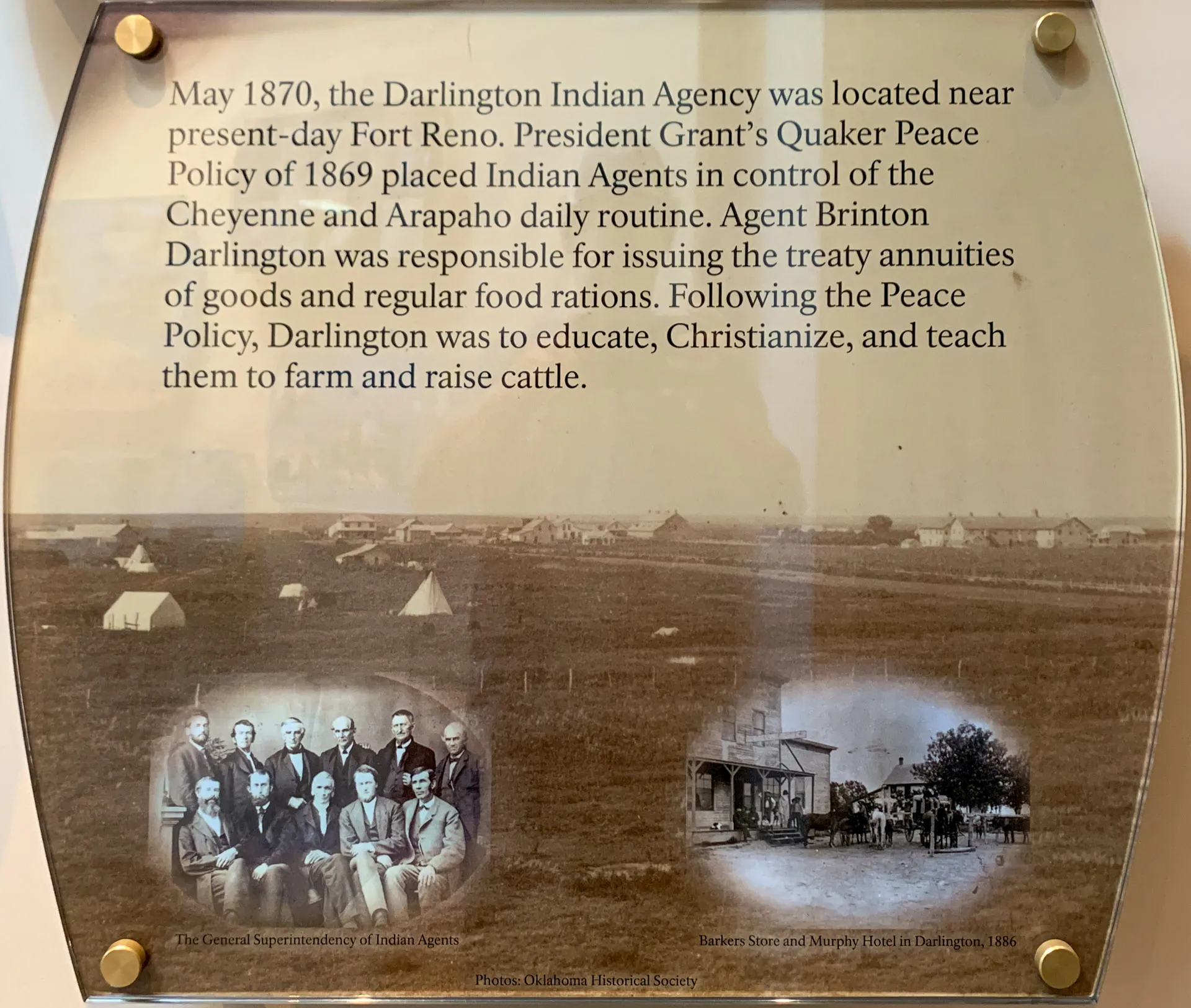
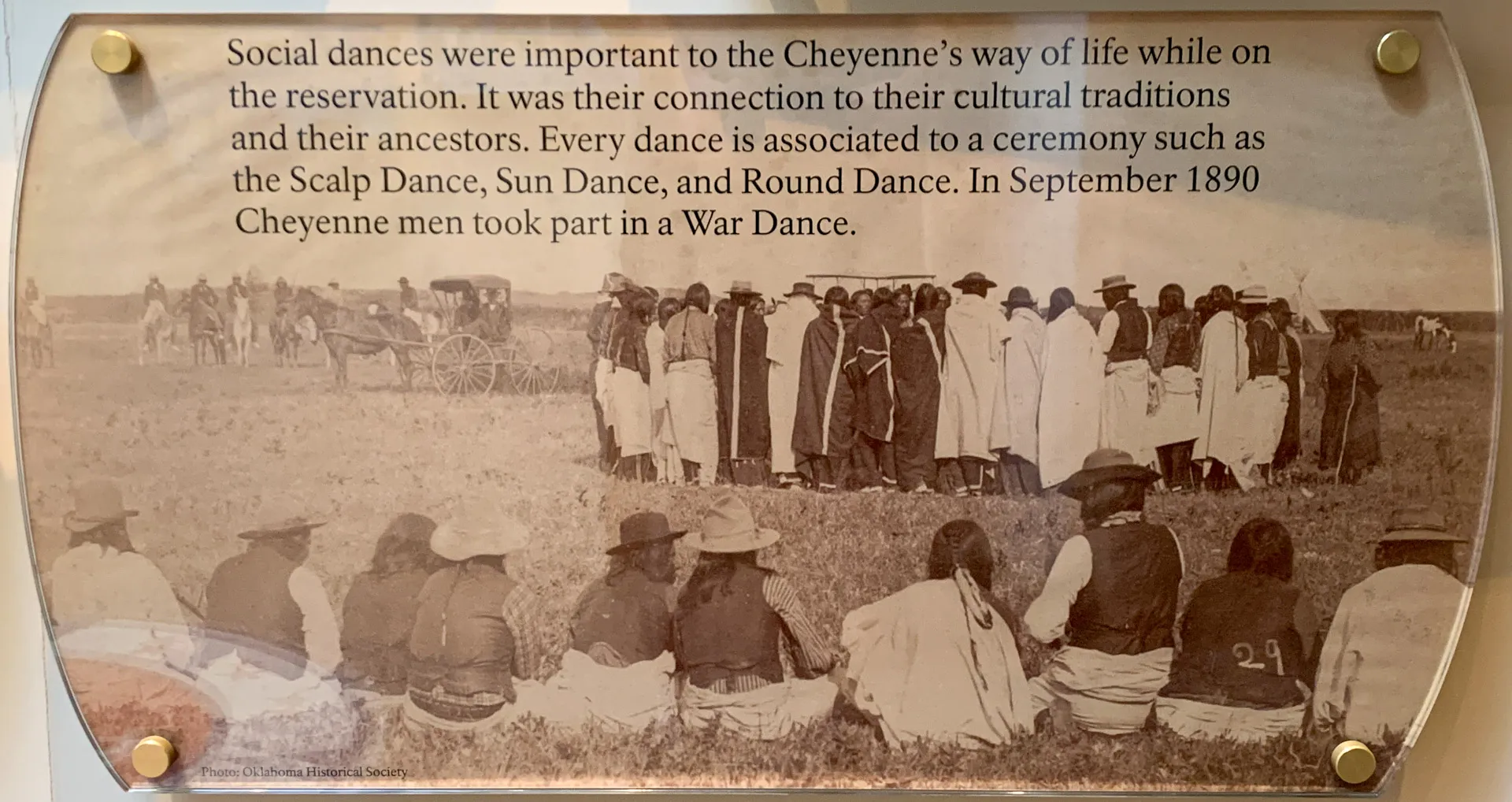
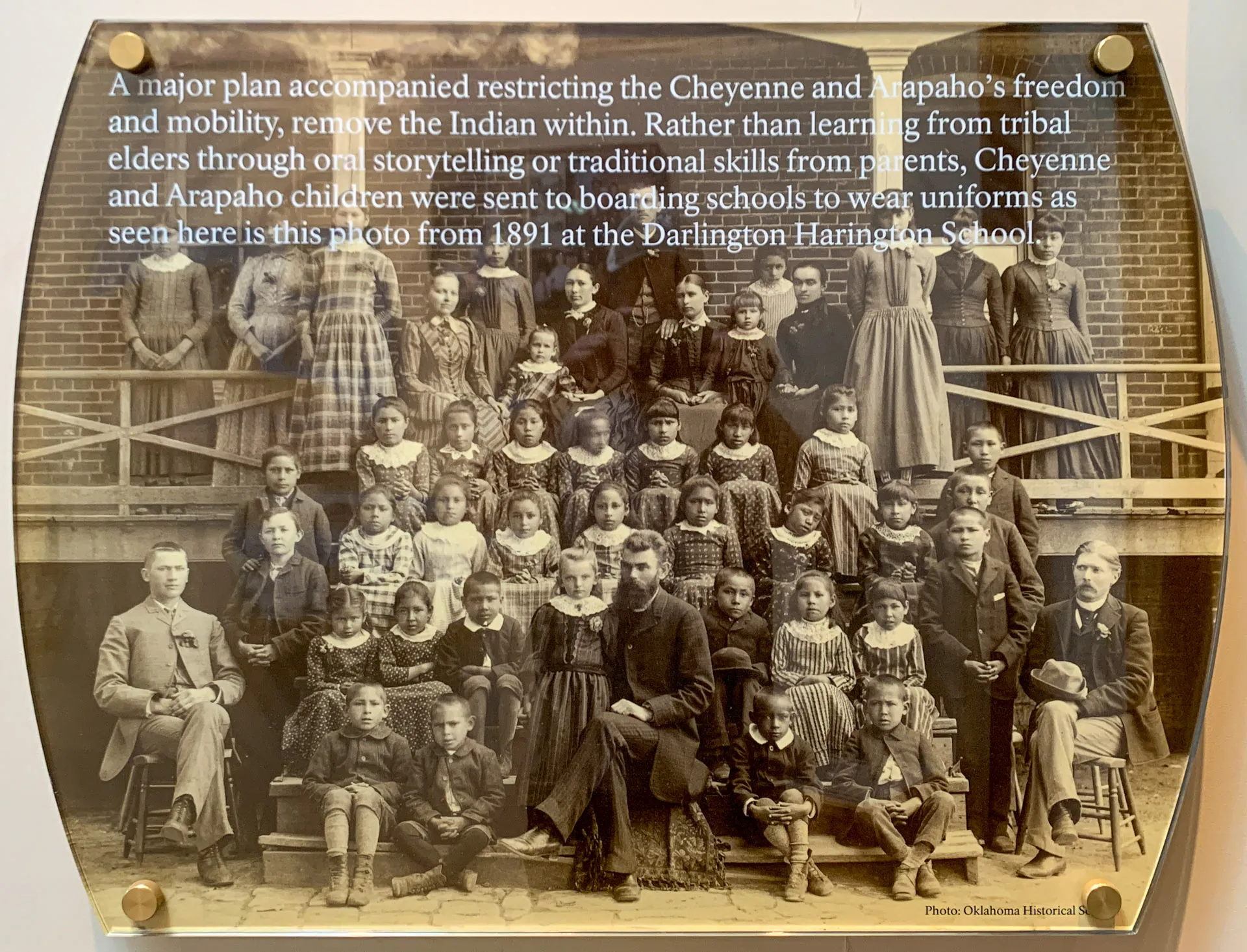
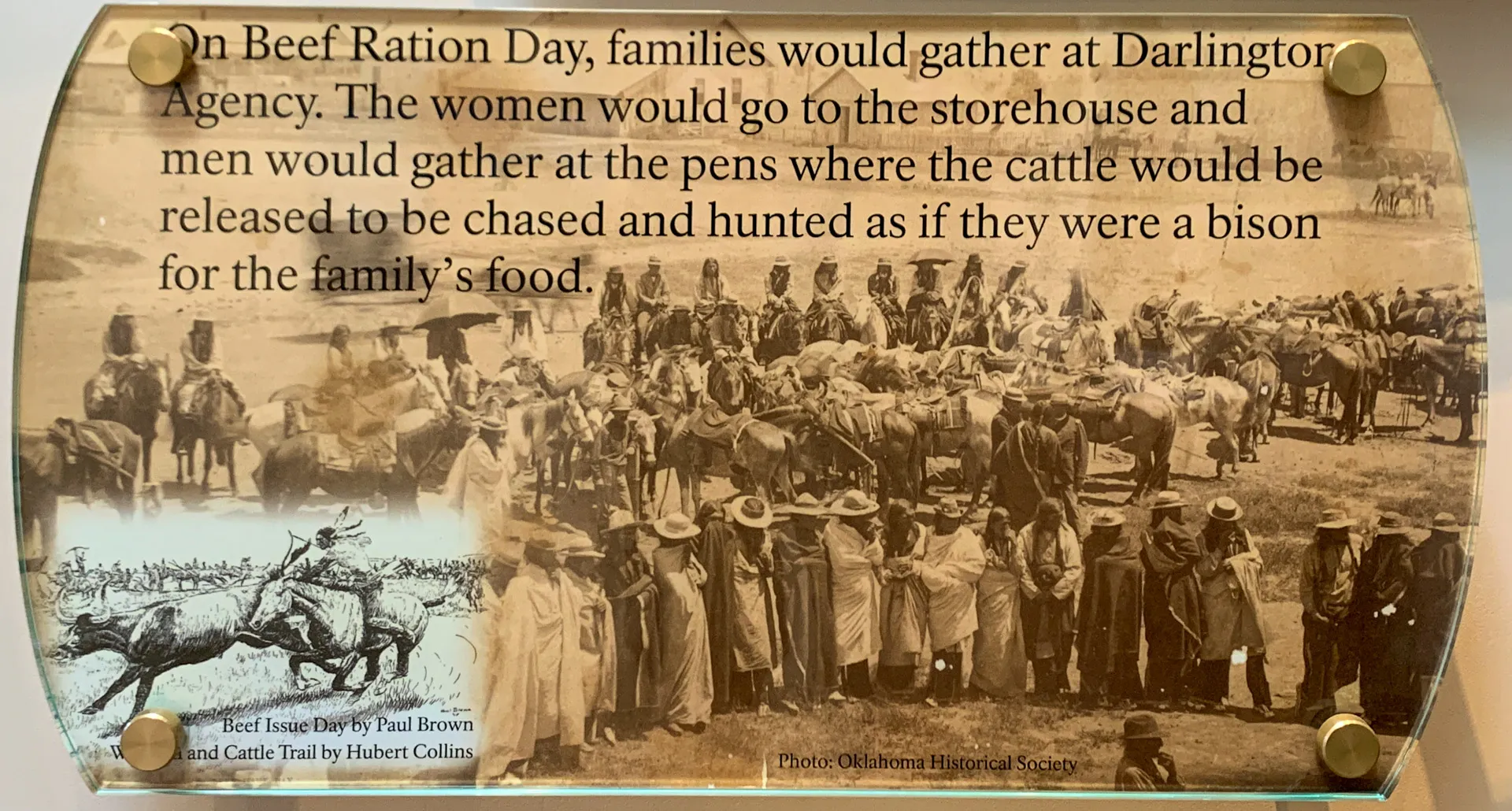
Located near the Black Kettle National Grassland near Cheyenne, Oklahoma, the visitor center offers a profound and reflective experience for those seeking to understand the tragic events of the 1868 attack. The center provides visitors with a thoughtful exploration of the history and impact of that fateful morning.
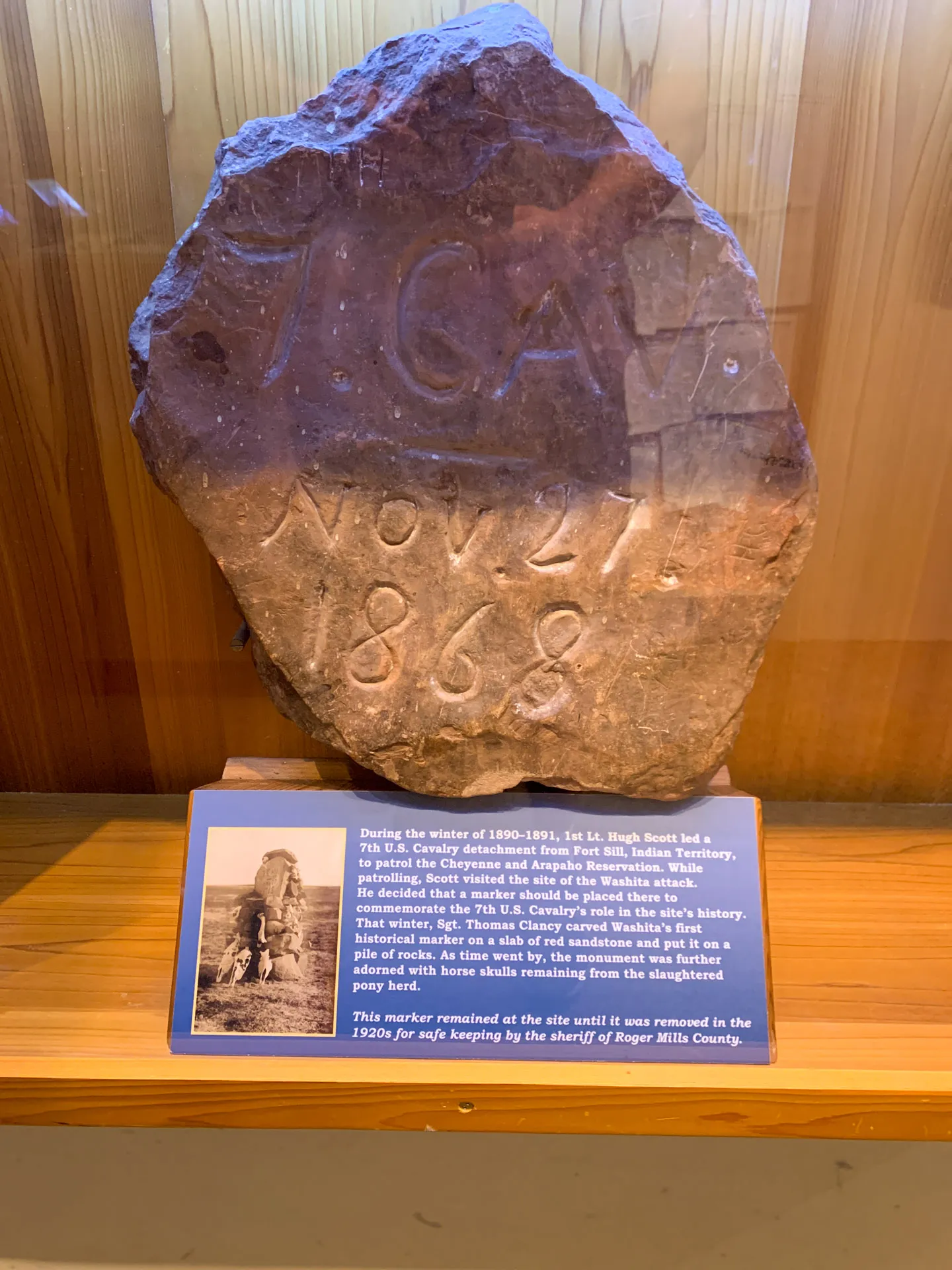
A visit to the center typically begins with “Destiny at Dawn,” a powerful 27-minute film that sets the historical context for the attack and explores the political and cultural forces leading up to it. The museum features a range of exhibits designed to immerse visitors in the personal stories of the Cheyenne people and the 7th U.S. Cavalry.
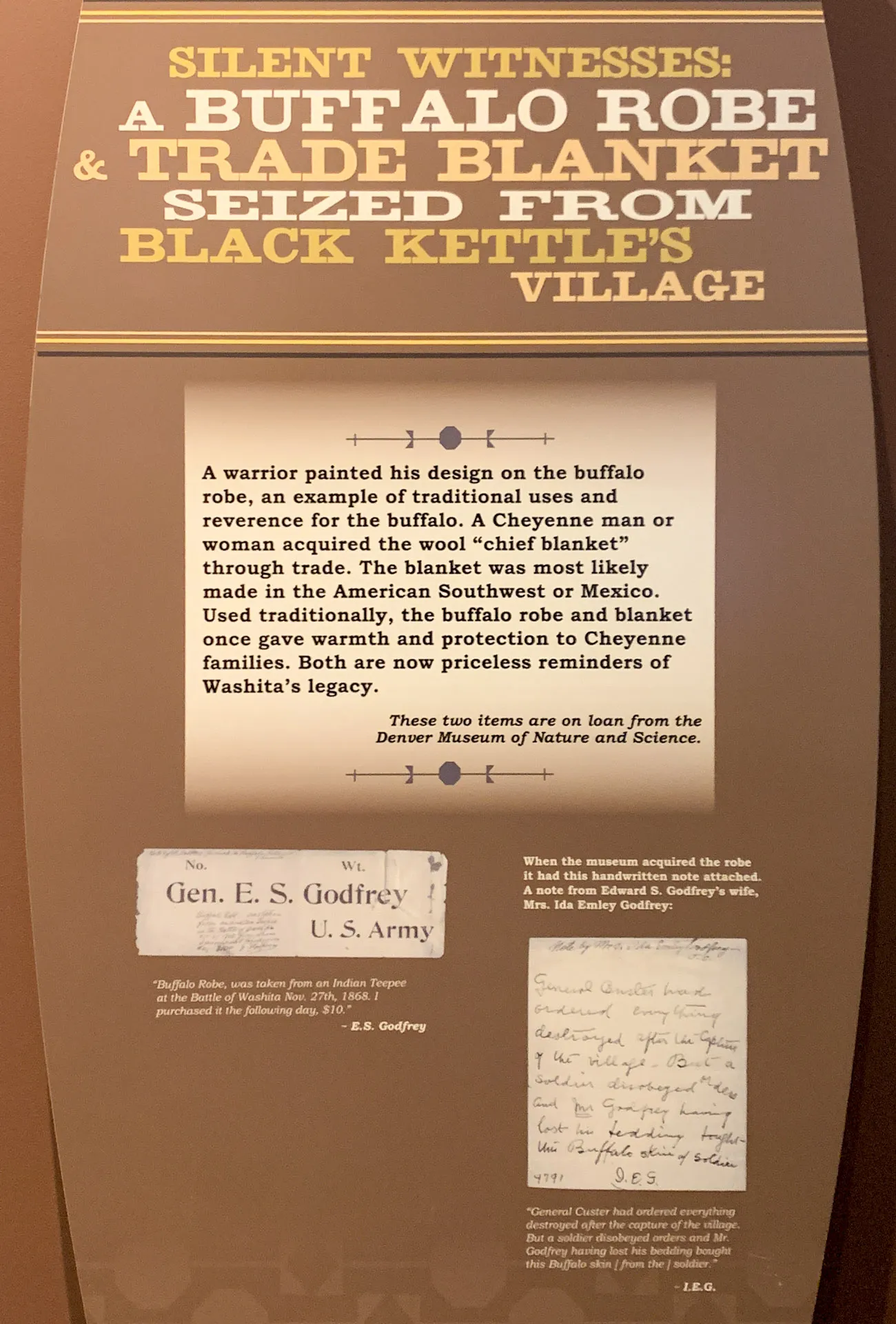
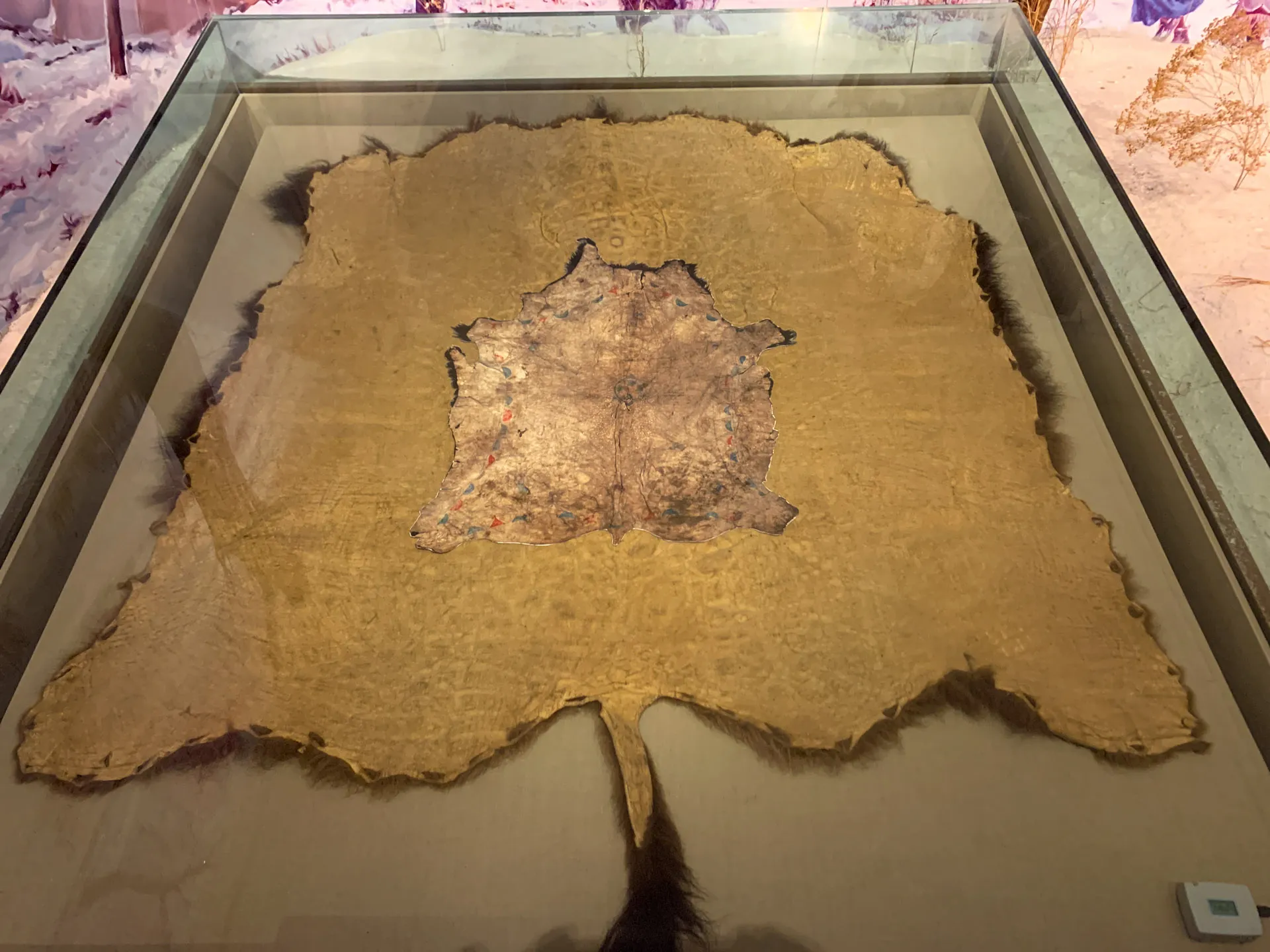
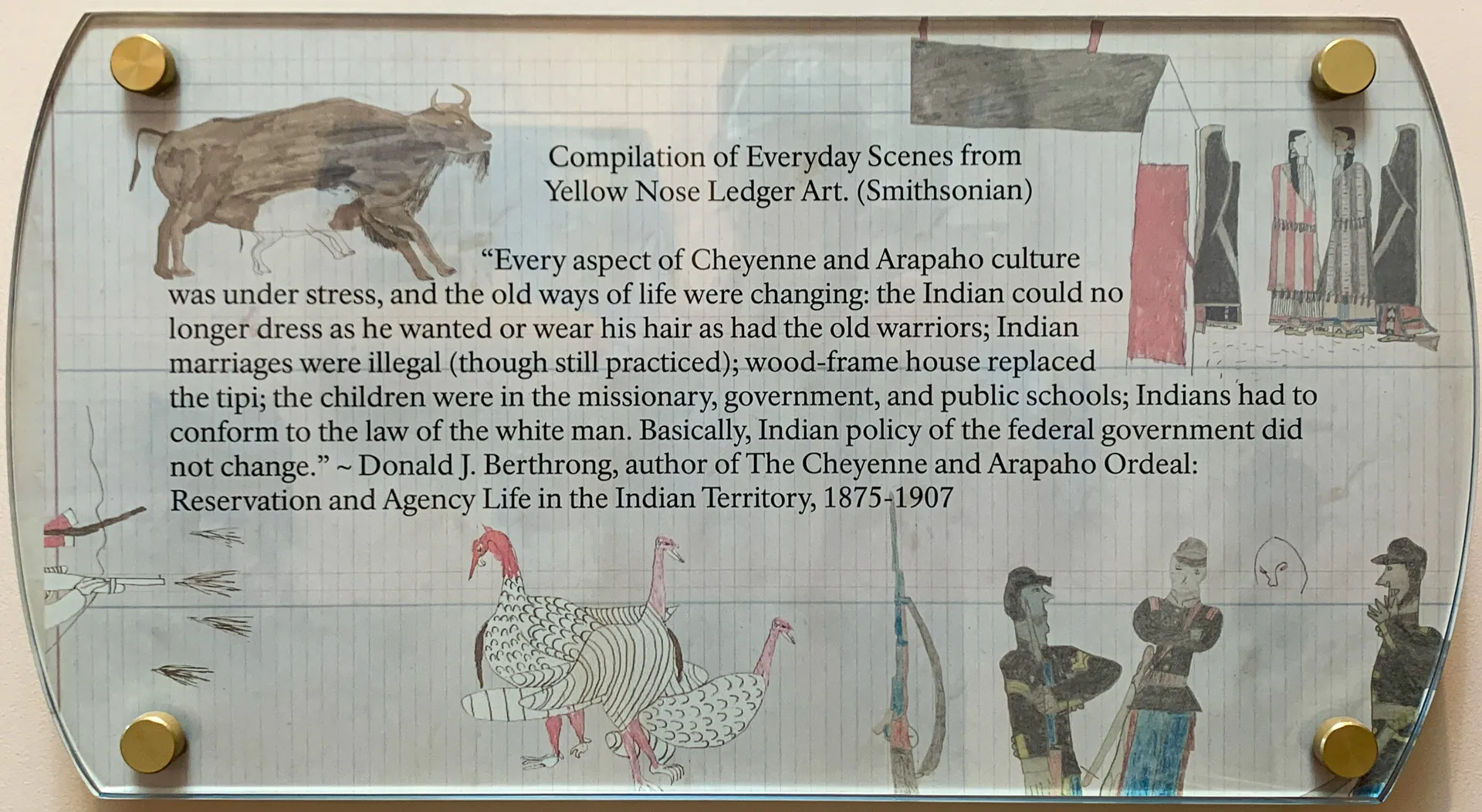
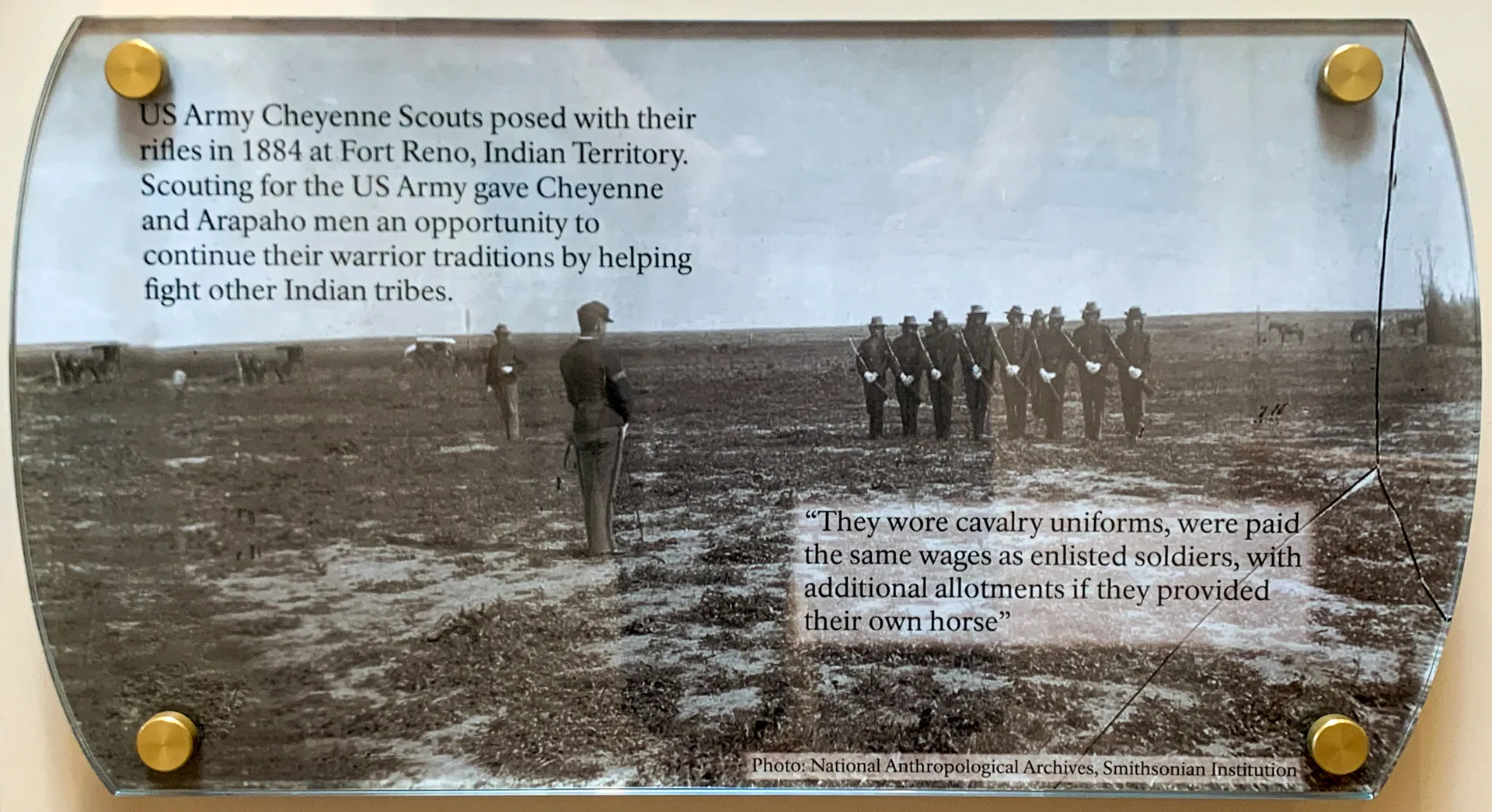
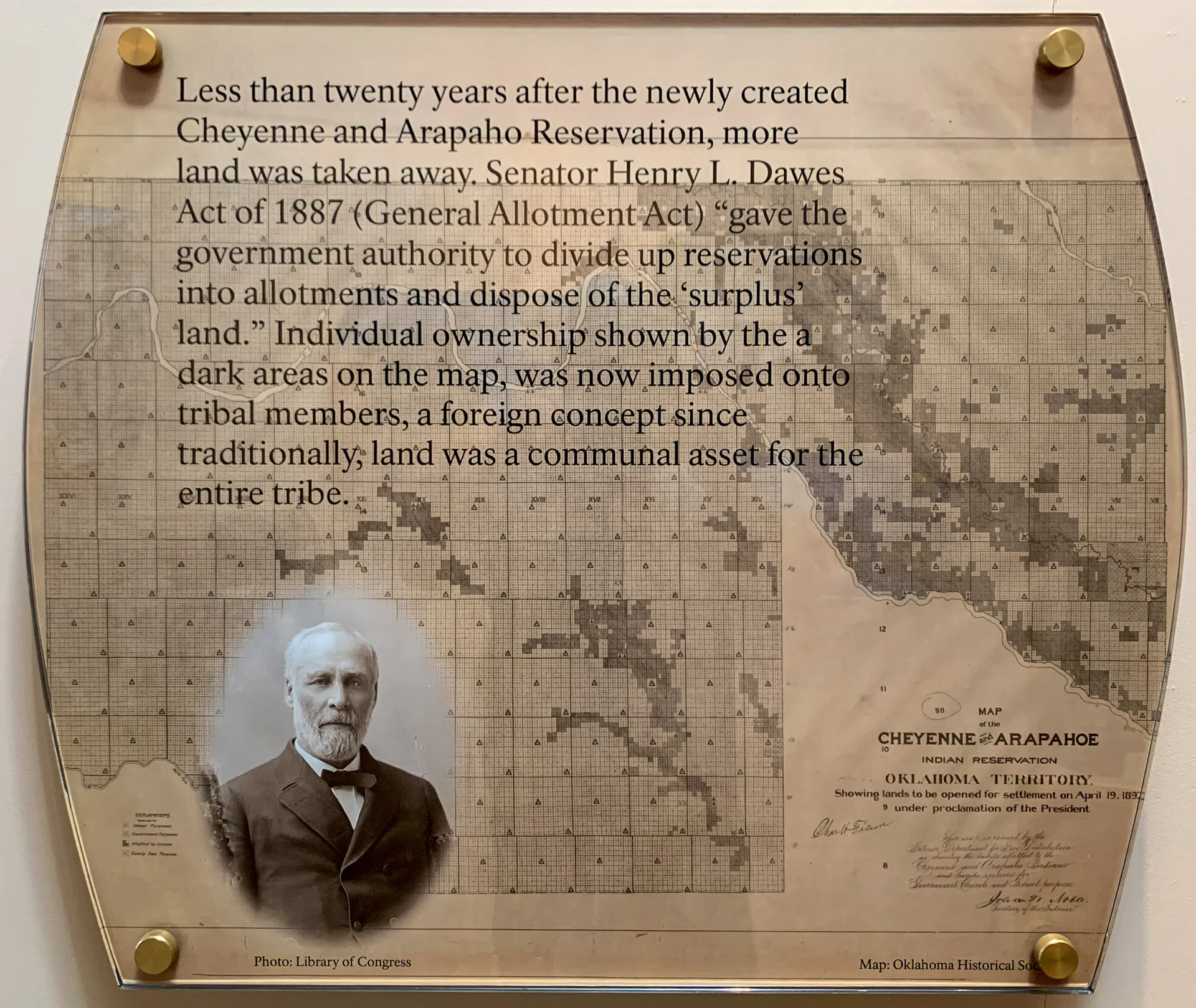
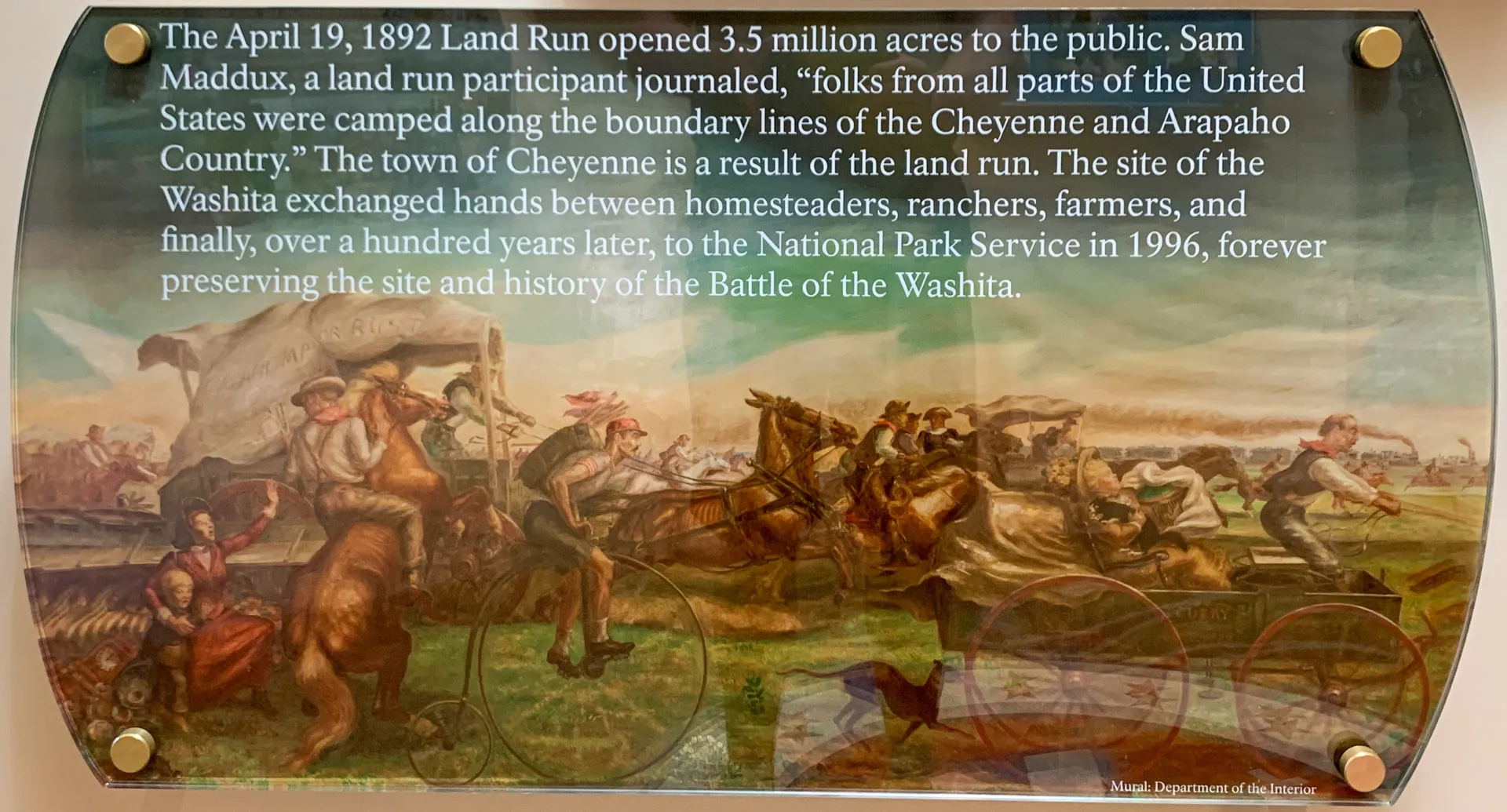
Artifacts, interactive displays, and detailed narratives offer insight into the lives of those involved. Visitors can touch bison-related objects used by the Cheyenne — including a bison stomach and bladder — and items carried by 7th Cavalry soldiers, providing a tangible connection to the past. Large windows frame sweeping views of the Washita River Valley, encouraging reflection on the very landscape where these events unfolded.
The architectural design of the visitor center is also deeply symbolic. Elements of Cheyenne culture are woven into the building’s design, with groups of four appearing throughout — representing the four directions and the four Cheyenne warrior societies (Elk, Bow String, Dog Soldiers, and Kit Fox). Angled walls, window groupings, and floor patterns reflect this significant cultural motif.
I spent a couple of hours in the visitor center watching the film and studying the displays. Like at NPS sites, the staff was fantastic, helpful, knowledgeable, and passionate. Before I headed outside to walk the trail, they made sure I downloaded the excellent self-guide audio tour onto my phone.
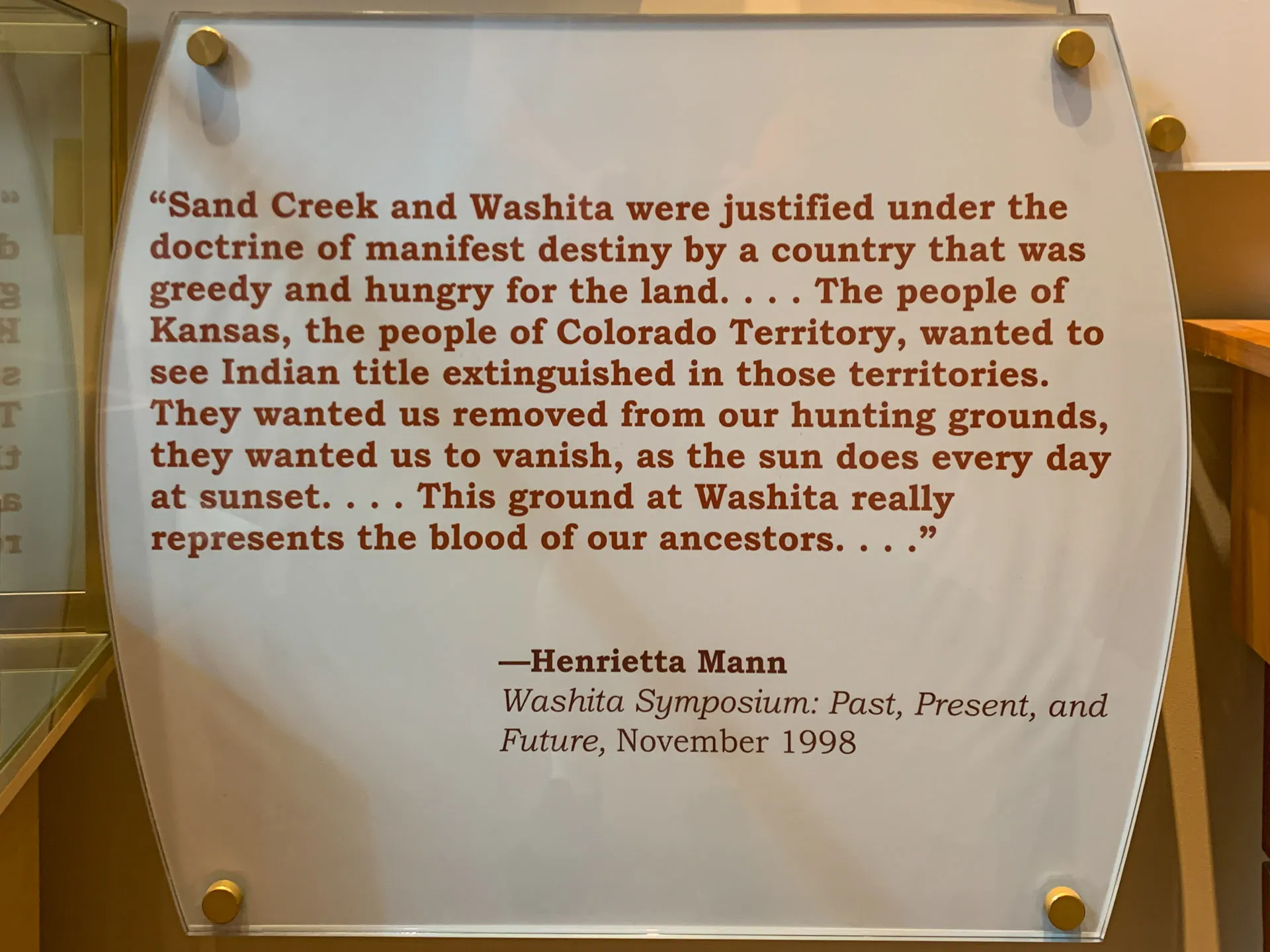
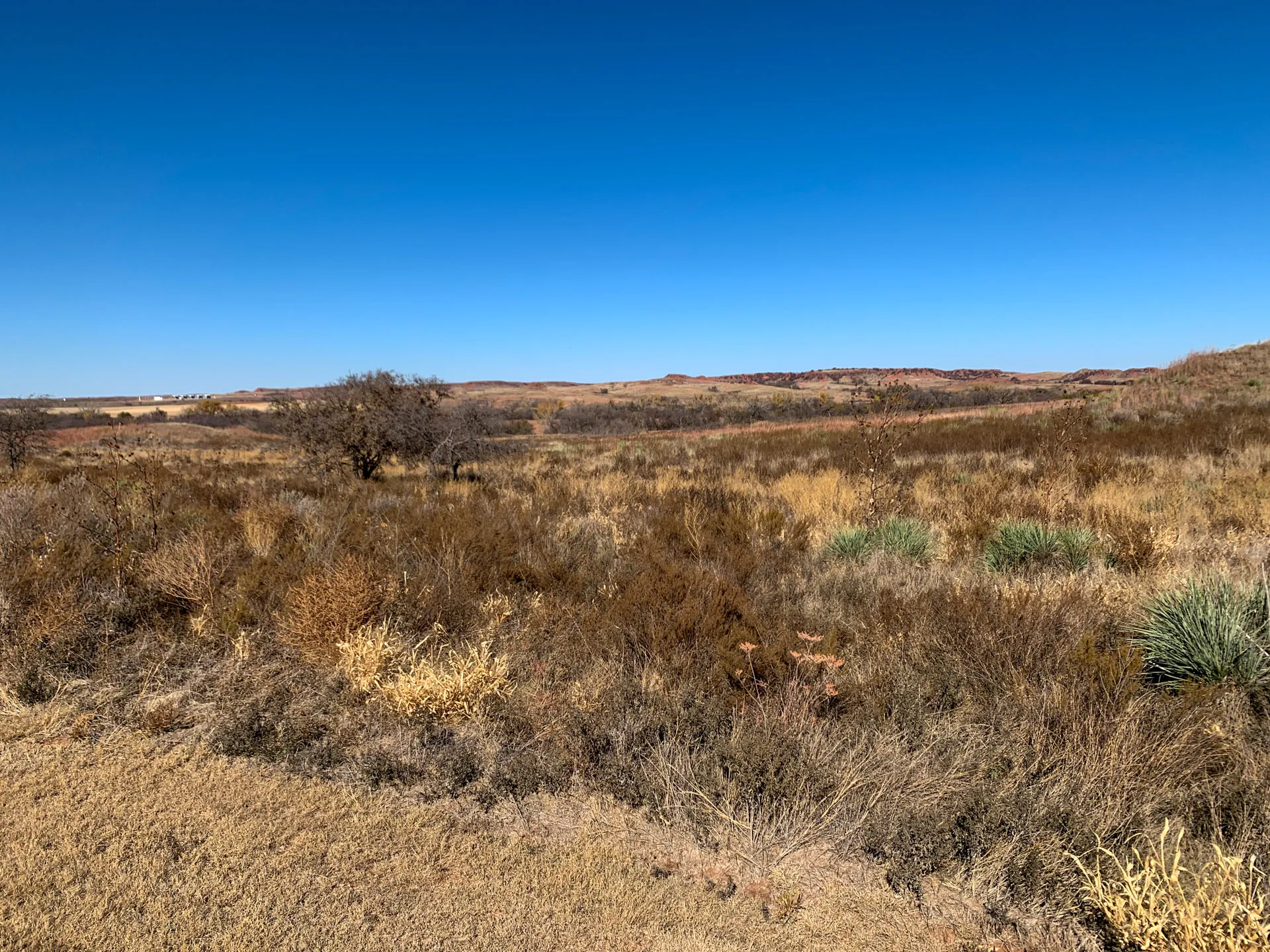
Outside the visitor center, a self-guided, 1.5-mile trail leads to the battlefield itself. The trail includes interpretive signs and is partially paved for ADA accessibility. The audio stops are marked with signs and tell the haunting story of what transpired on that fateful morning when Black Kettle and his people made their last stand.
The Trail
Walking the entire trail and listening to the audio tour should be part of your experience if you visit. It’s difficult to describe what it is like standing on the battlefield and listening to the stories of those who were there. The Nationa Park Service did a spectacular job of putting this together, and I hope to come across more experiences like this one.
I only took a couple of photos of the trail to be respective to those who were killed and those who still come to honor the dead and remember their stories.
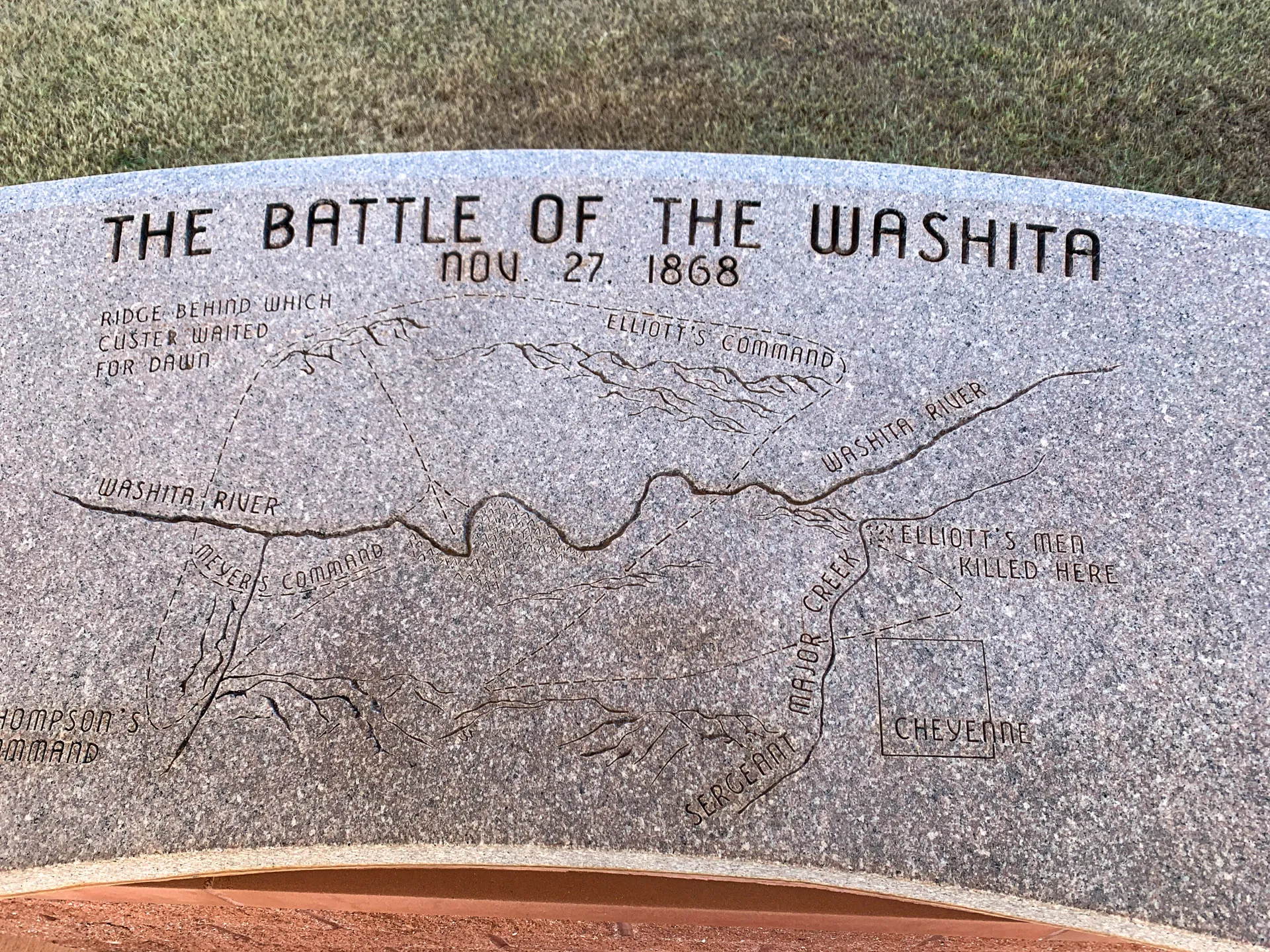

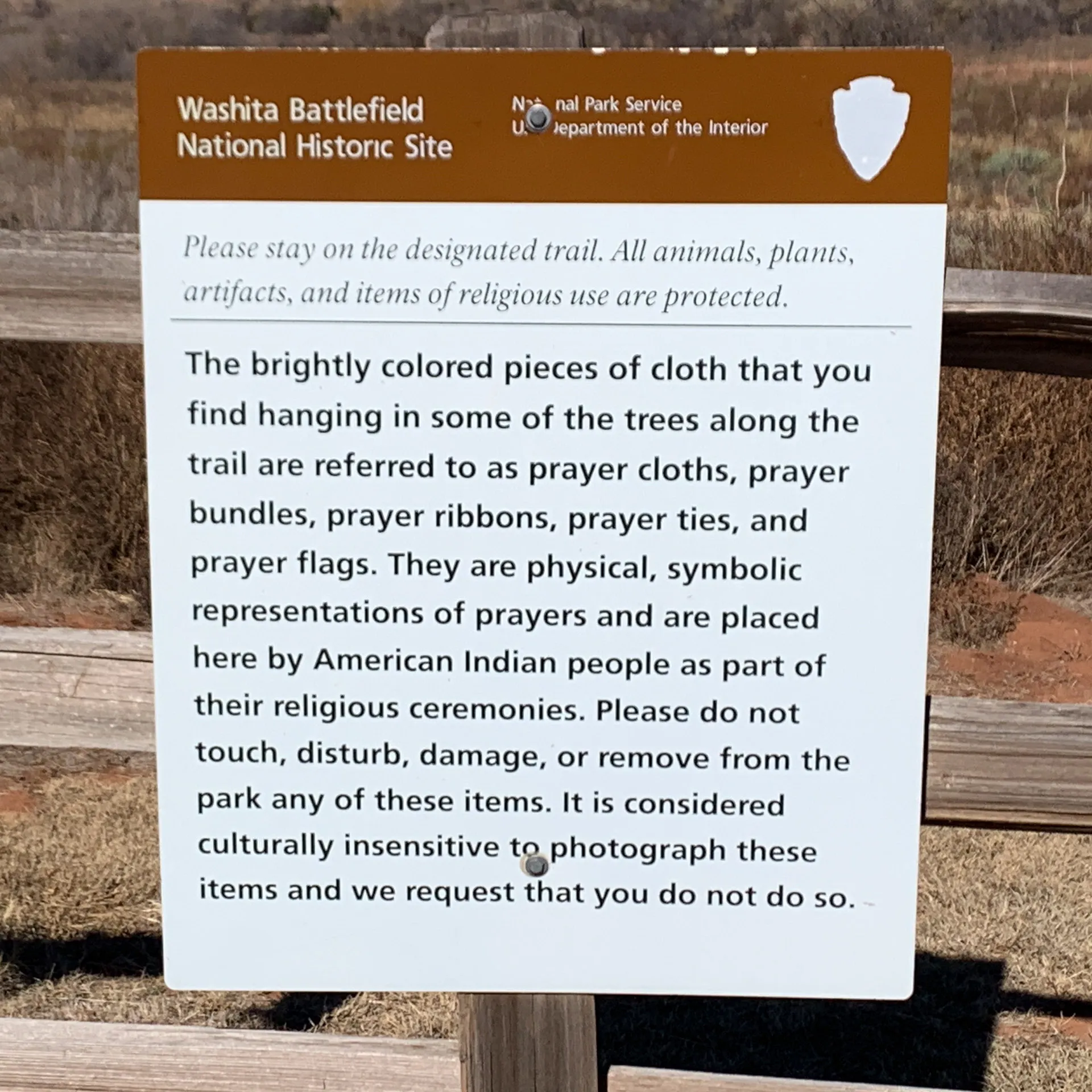
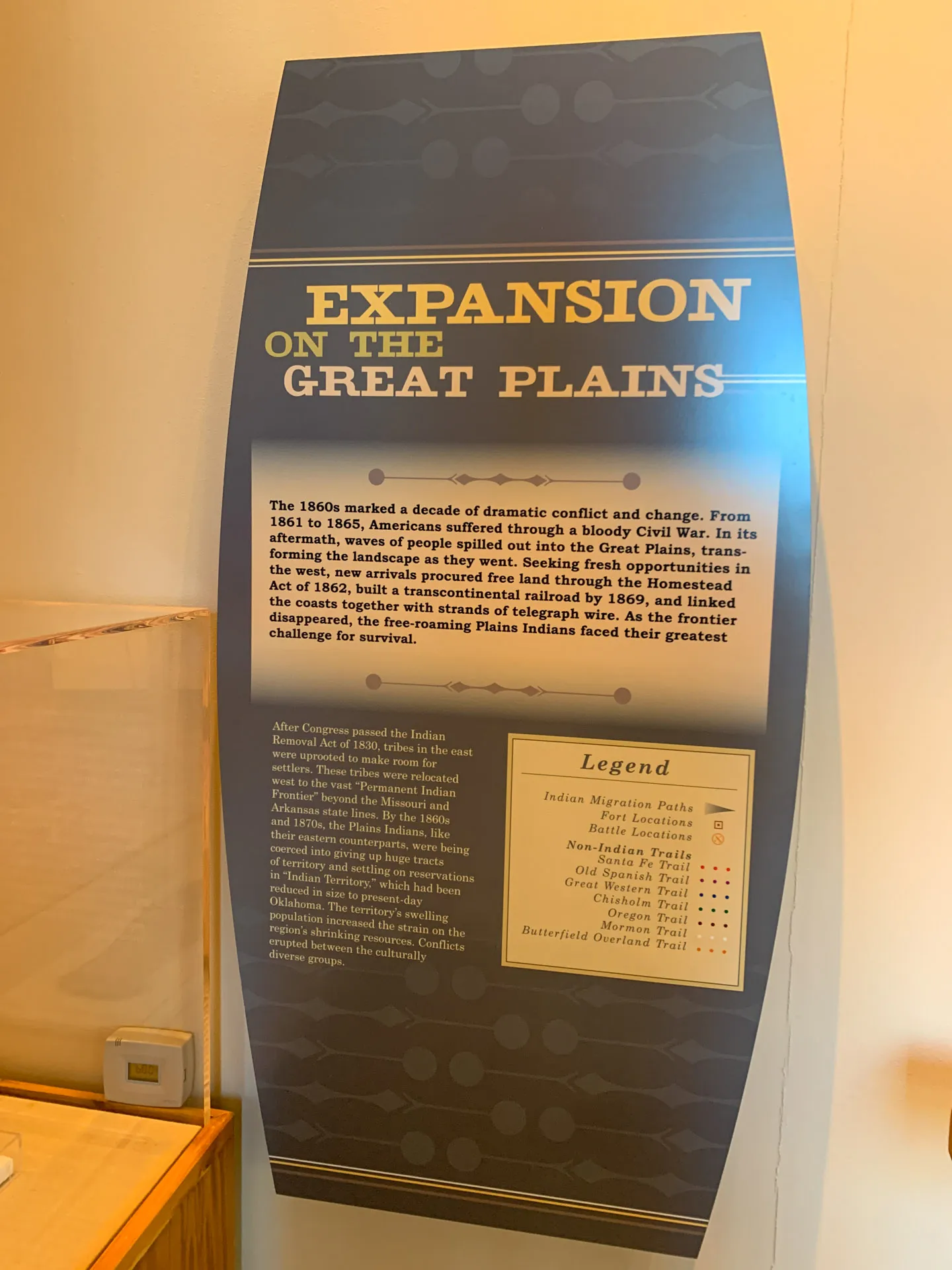
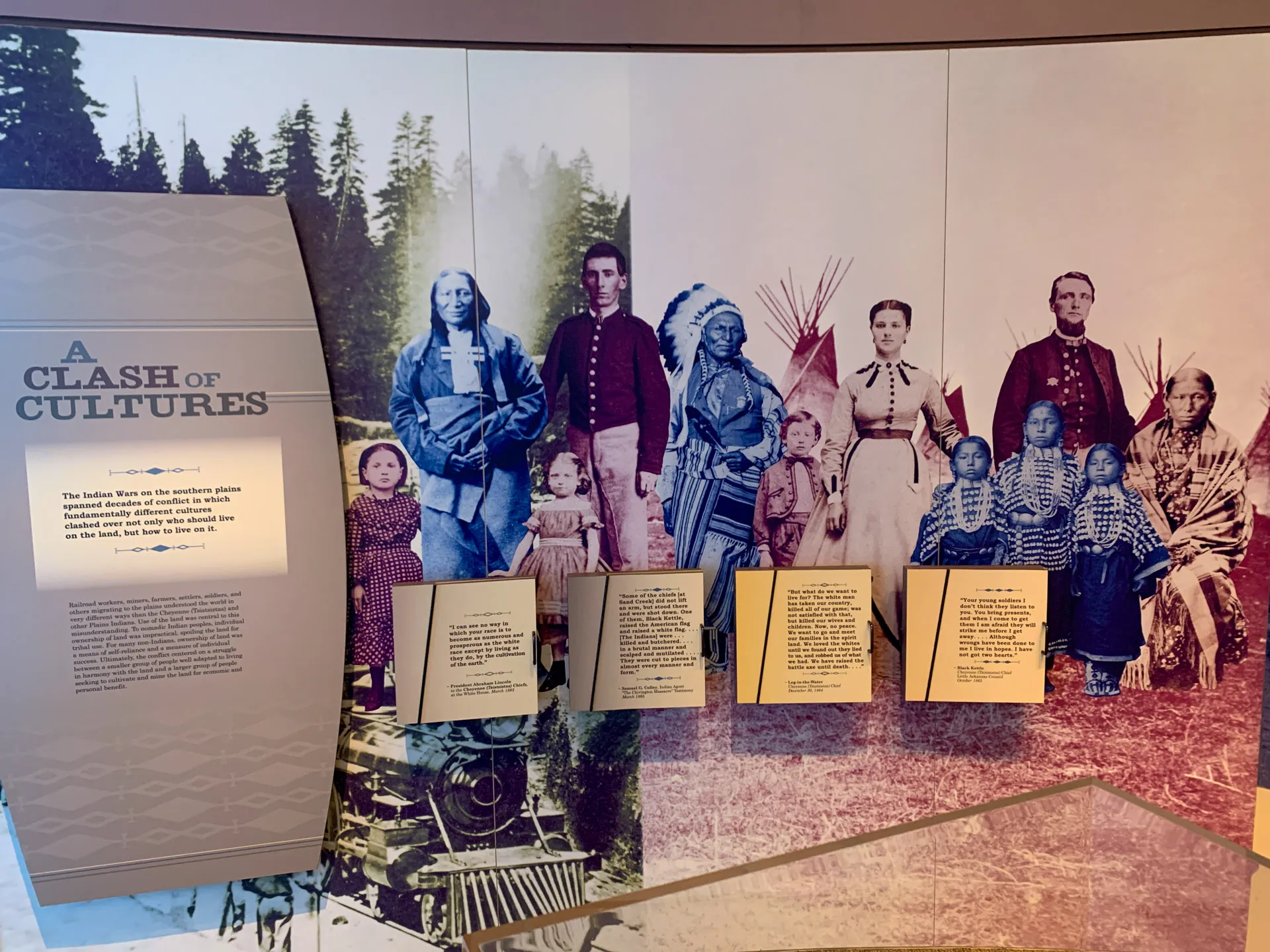
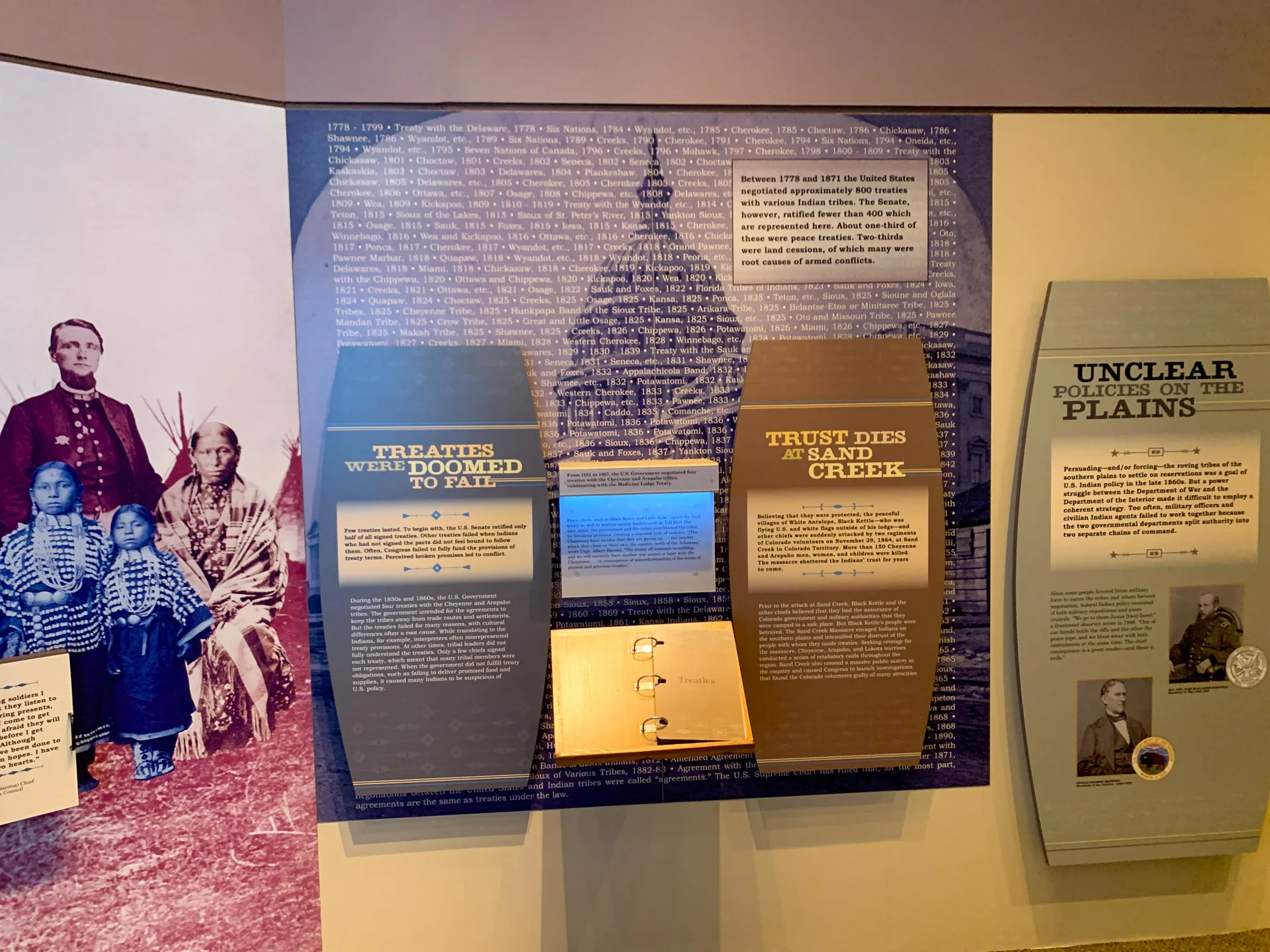
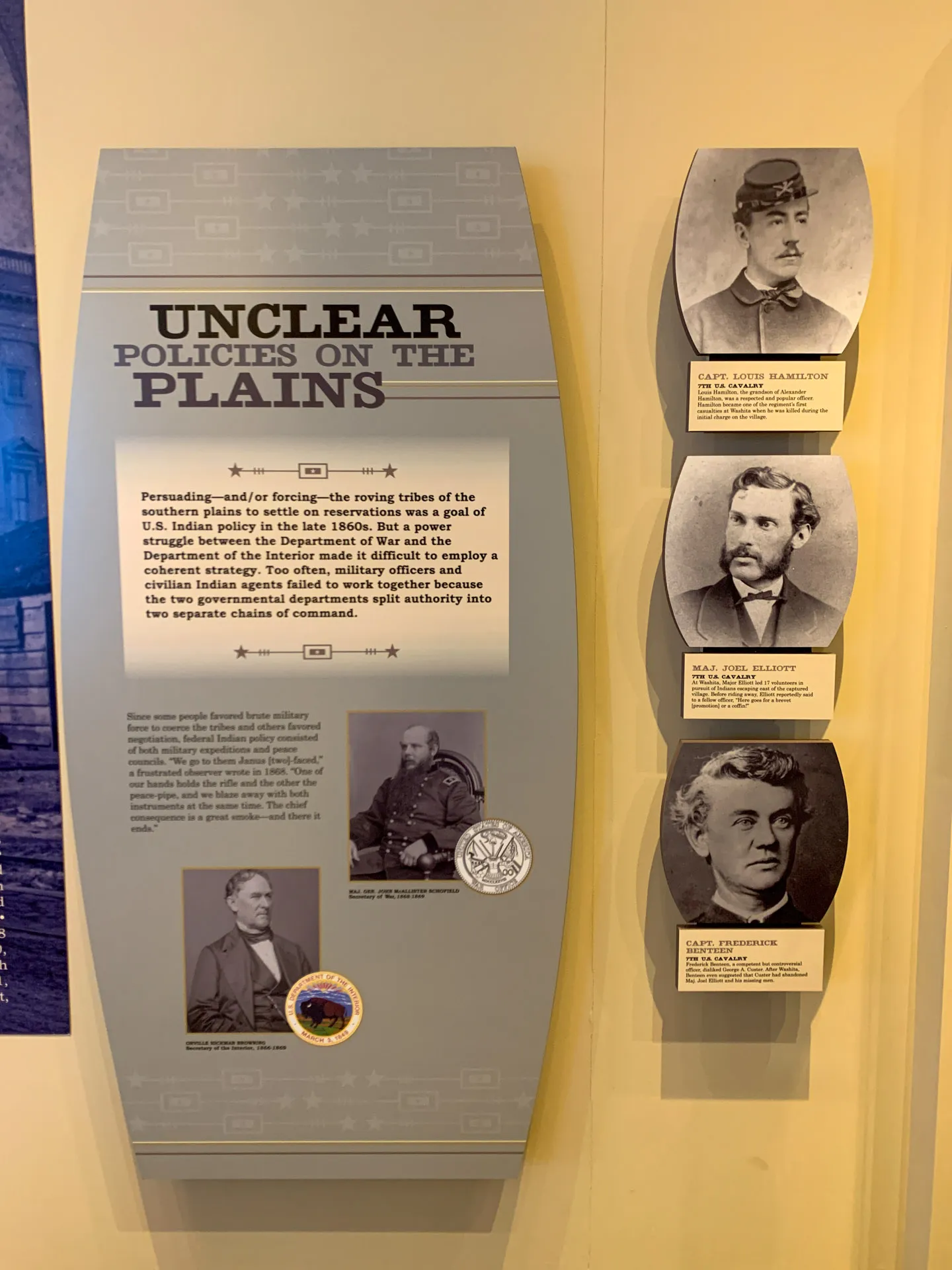
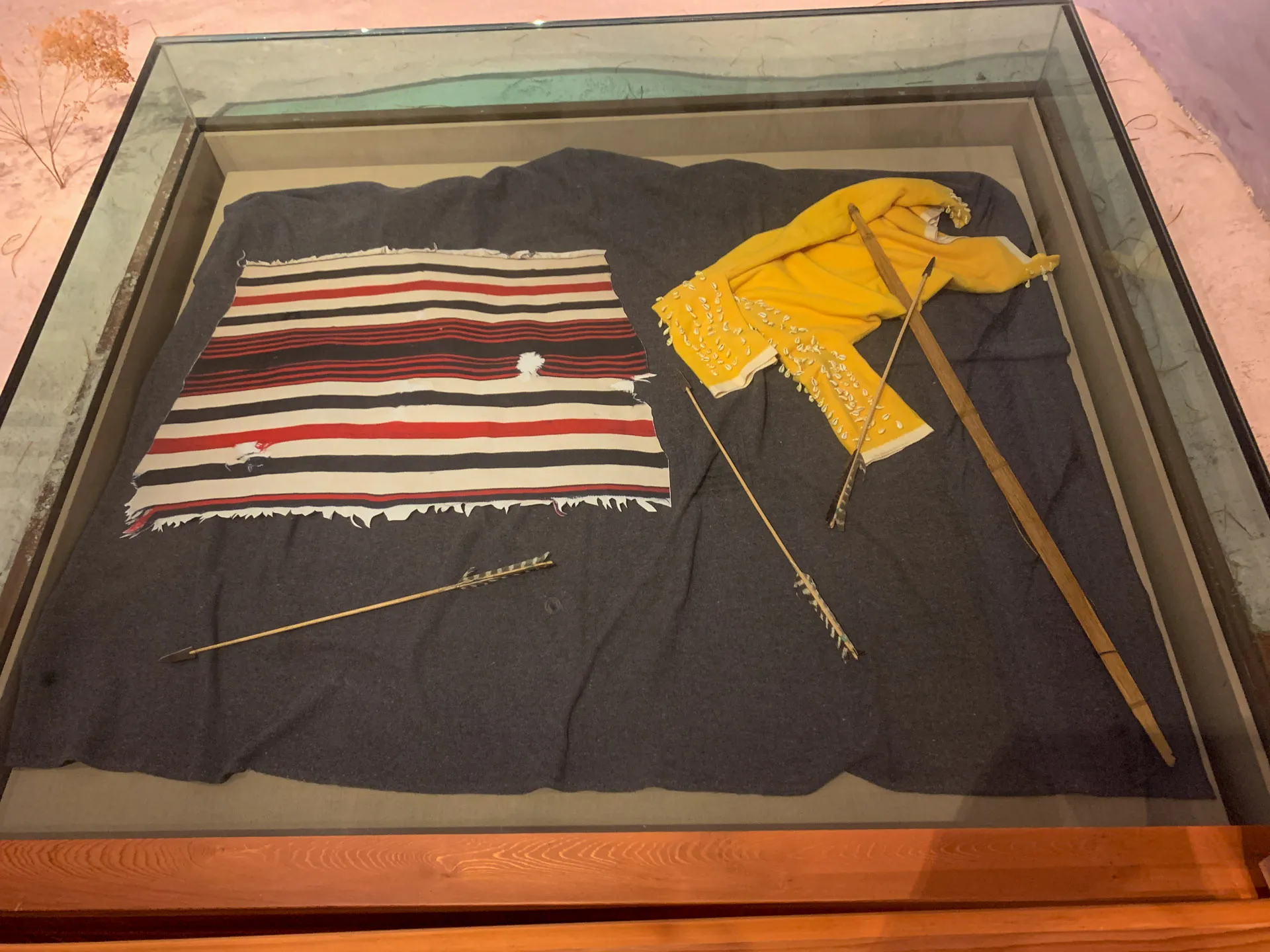
Photos from the Visitor Center
Click on the photos to bring up a full-size image. In the upper right corner of the screen is a magnifying glass that enables you to zoom in on the images.



And my adventure continues…