First Experienced During Quest On: October 24, 2023
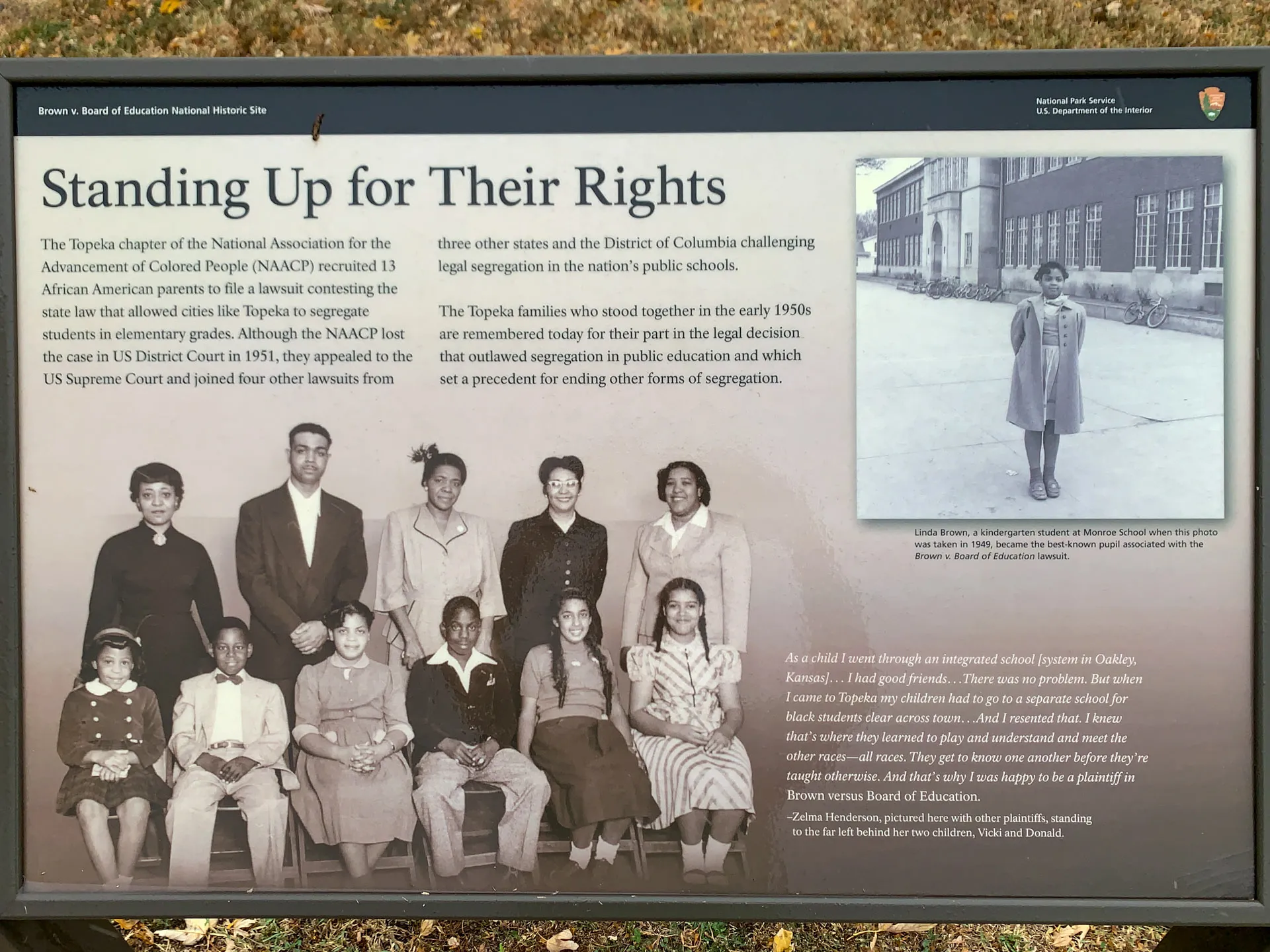
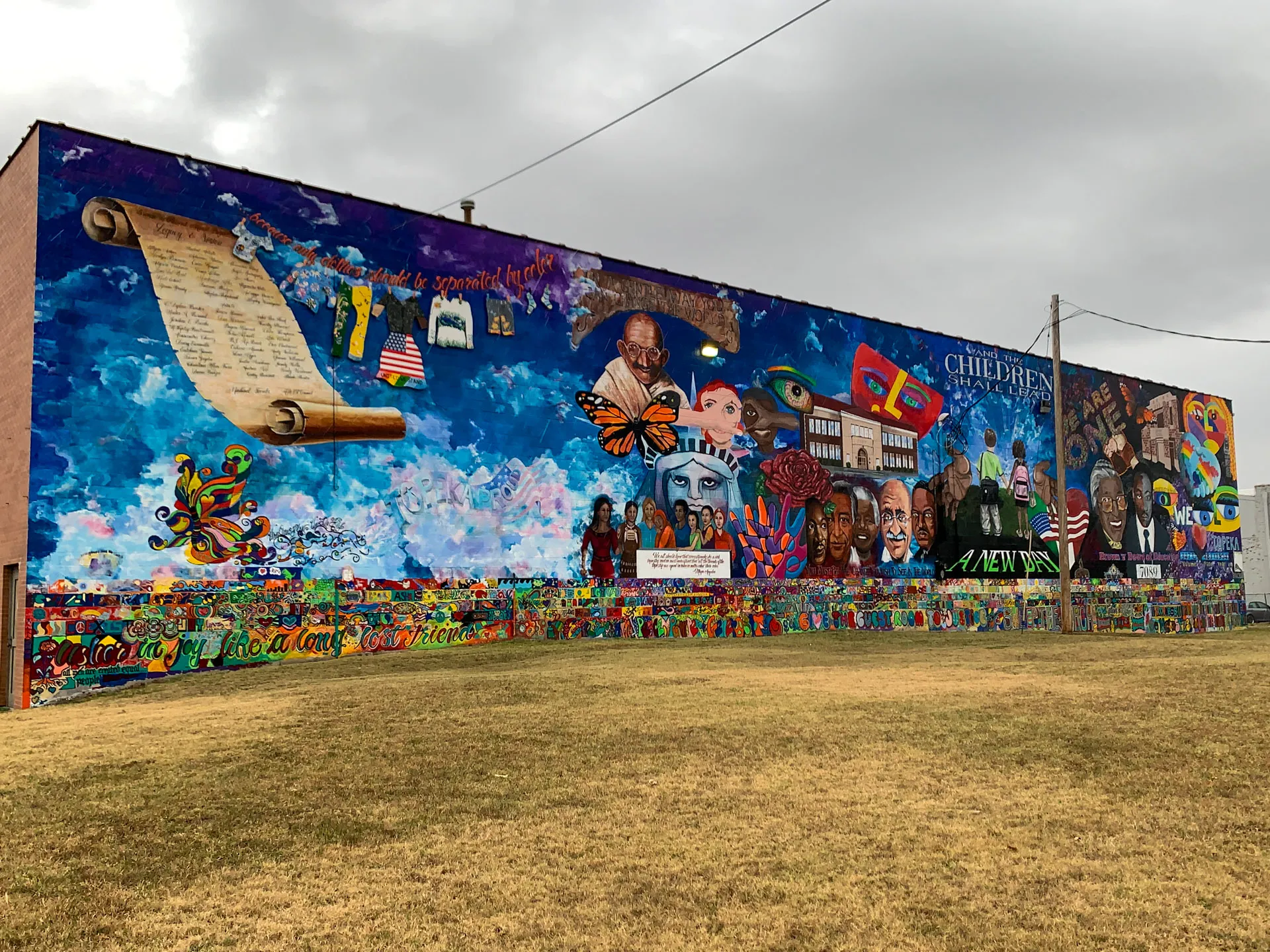
Brown v. Board of Education National Historical Park in Topeka, Kansas, preserves the legacy of one of the most pivotal moments in American civil rights history. The park commemorates the 1954 Supreme Court decision Brown v. Board of Education, which declared racial segregation in public schools unconstitutional. The case was a consolidation of five lawsuits brought by families seeking equal educational opportunities for their children. Led by Thurgood Marshall and the NAACP, the case challenged the doctrine of “separate but equal” established by Plessy v. Ferguson (1896). The unanimous Supreme Court decision marked a turning point in the fight for racial justice and laid the foundation for the civil rights movement.
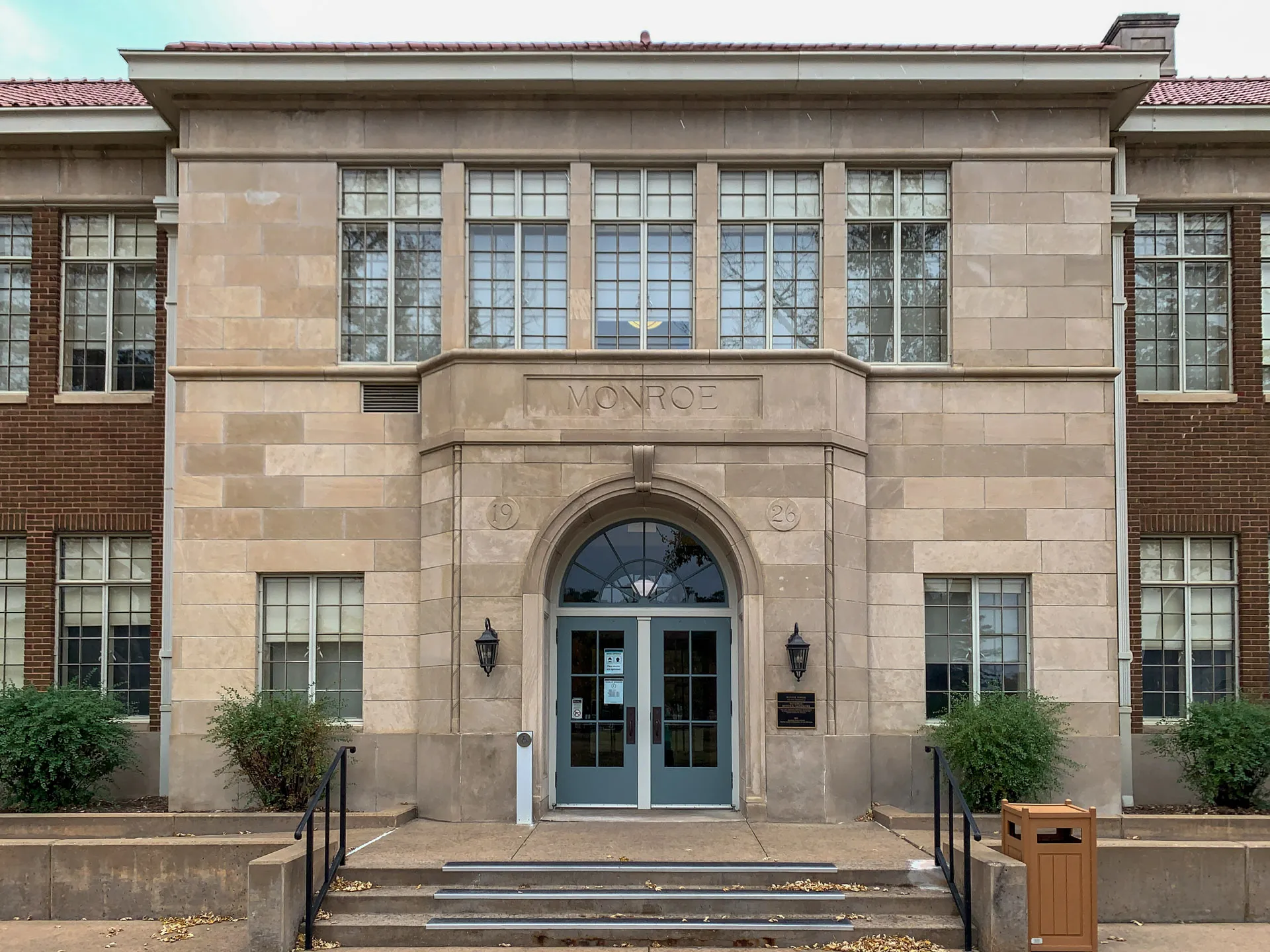
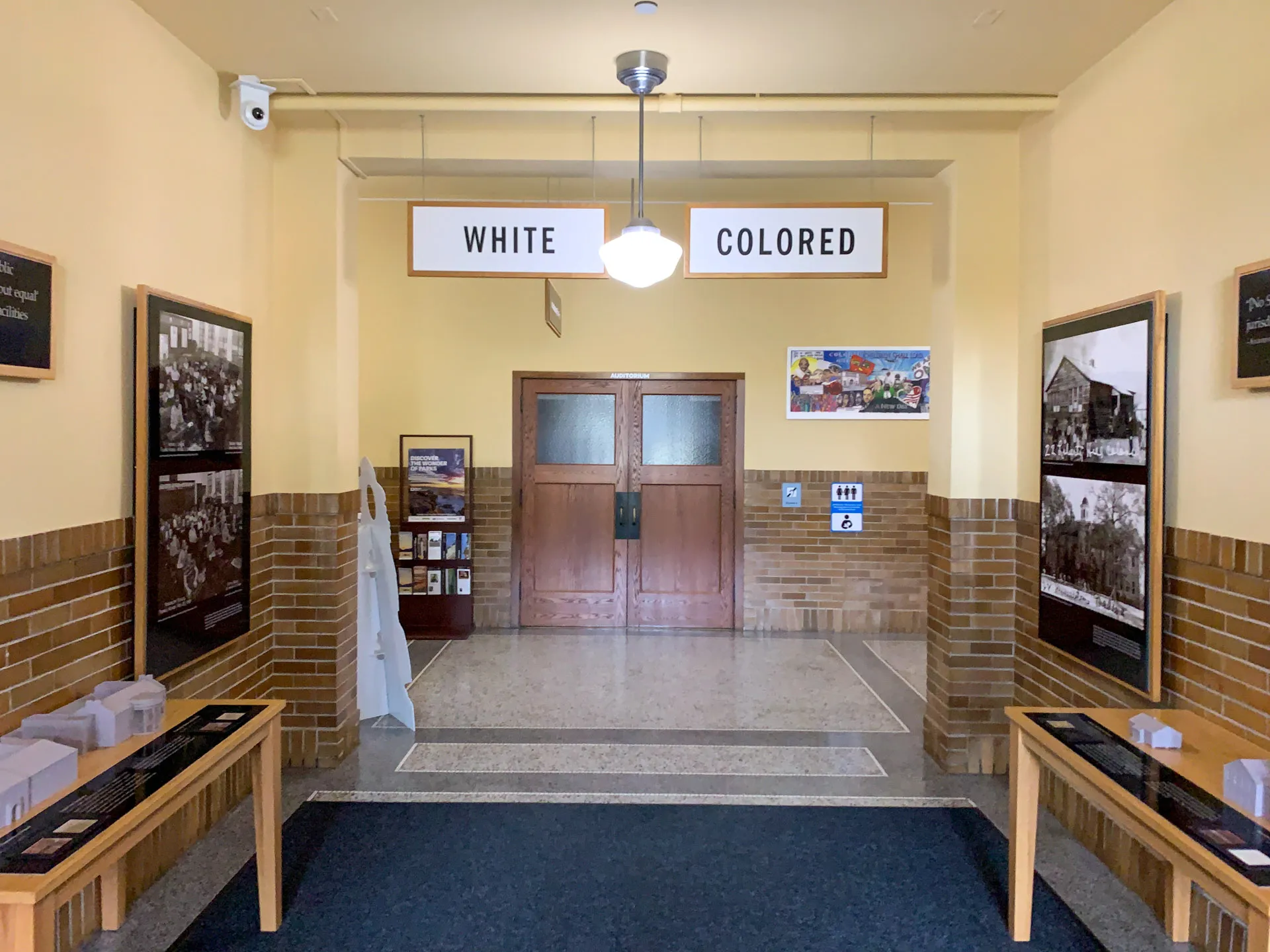
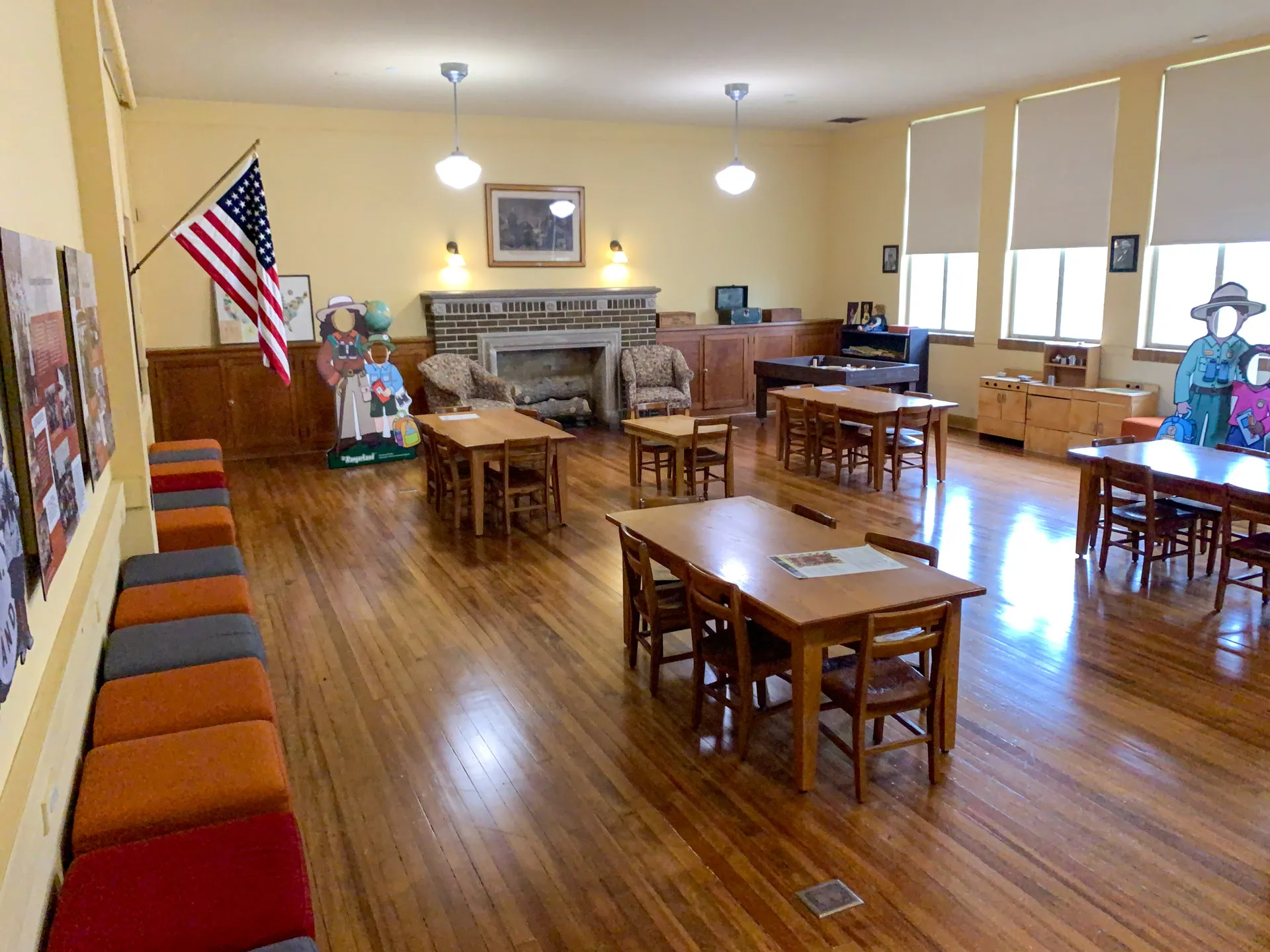
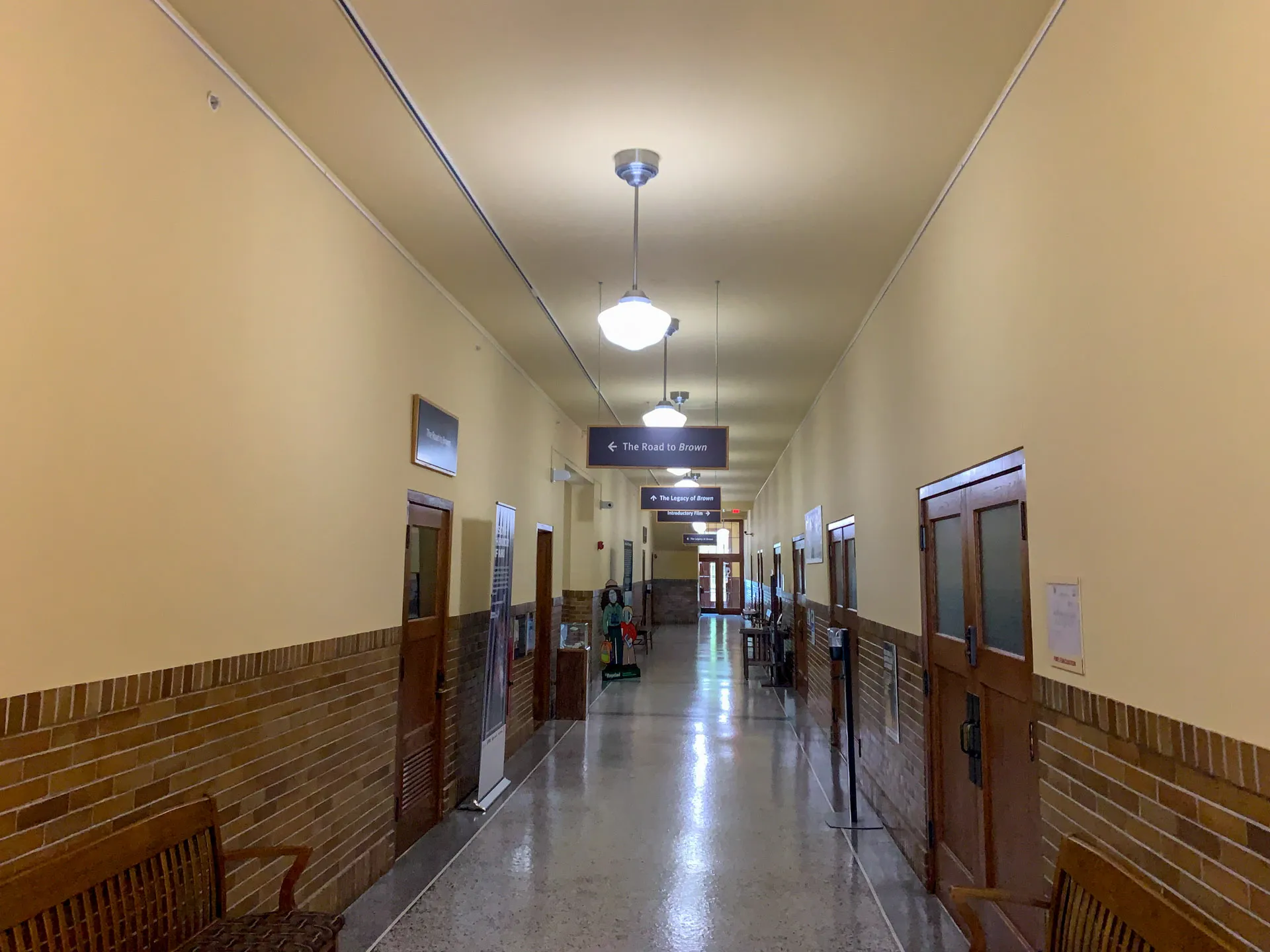
The park is located at Monroe Elementary School, one of the segregated schools at the center of the case. Visitors can explore exhibits, photographs, and interactive displays that highlight the personal stories behind the case and its broader impact on American society. As a national historical site, the park serves as a powerful reminder of the ongoing struggle for equality and the importance of education in shaping a more just society.
Shea's Videos and Travel Journal Entries Tagged with Brown v. Board of Education National Historical Park
Let's get real. America has some very dark chapters of our history, and segregation is absolutely one of those areas. This site makes the progress we've made real, along with where we started.