Dripping Springs, Boyd Sanitarium, Van Patten’s Mountain Camp

Visited on: Thursday, January 18, 2024

It was a beautiful morning as I headed to the Dripping Springs Natural Area. I was looking forward to heading to the Boyd Sanitarium and Van Patton’s Mountain camp, plus I was excited to get back on the trail and hike.

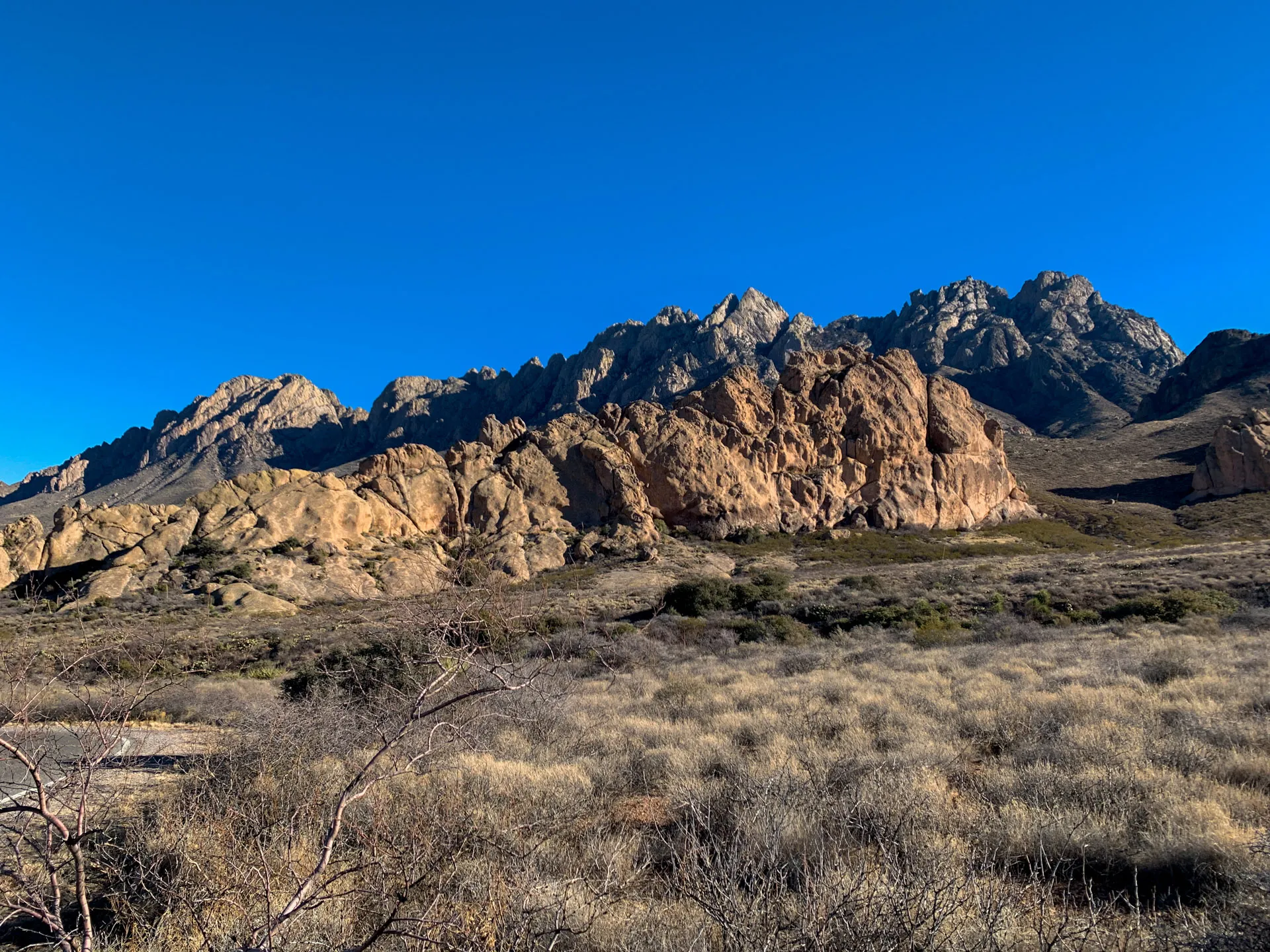
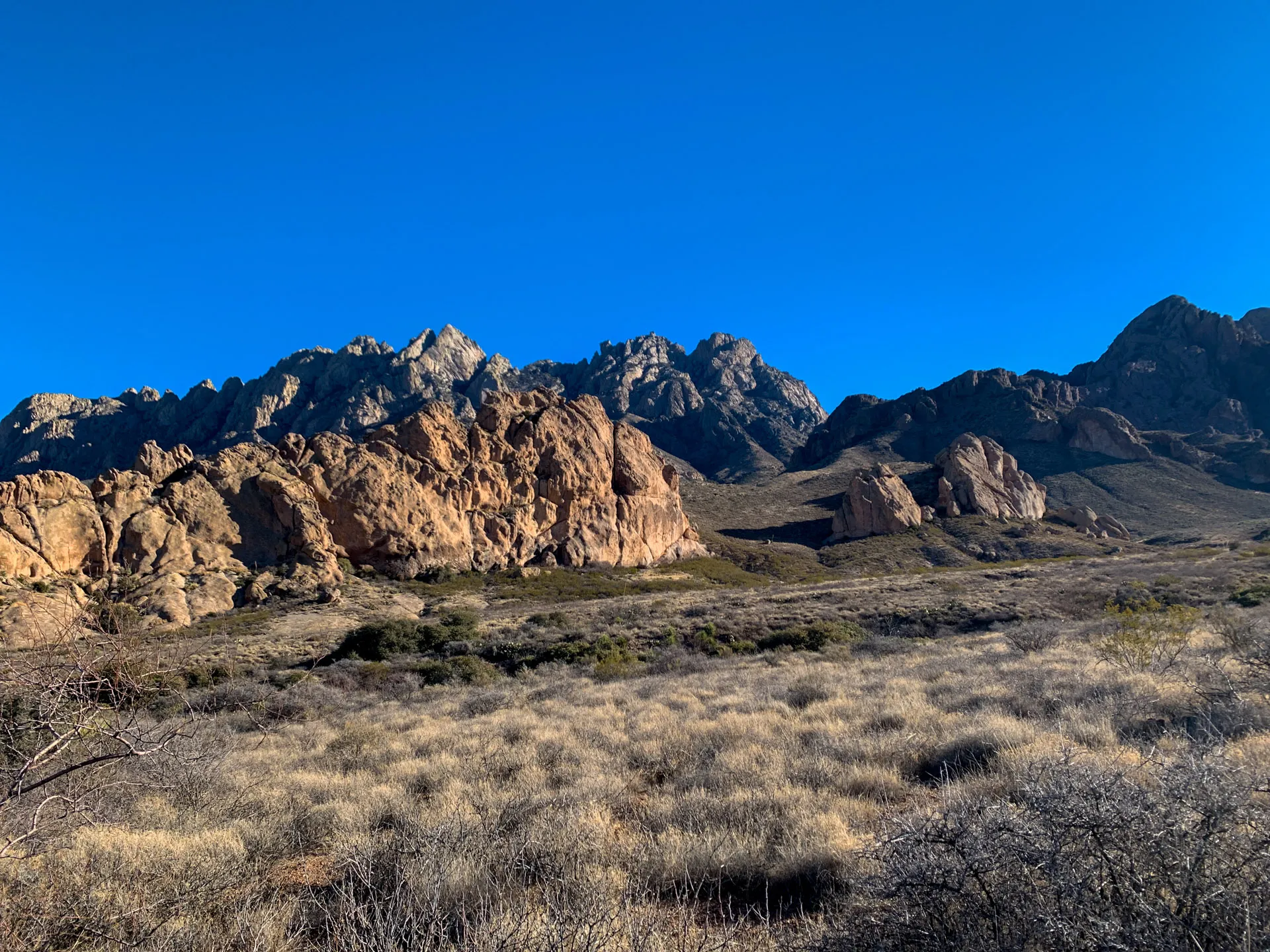
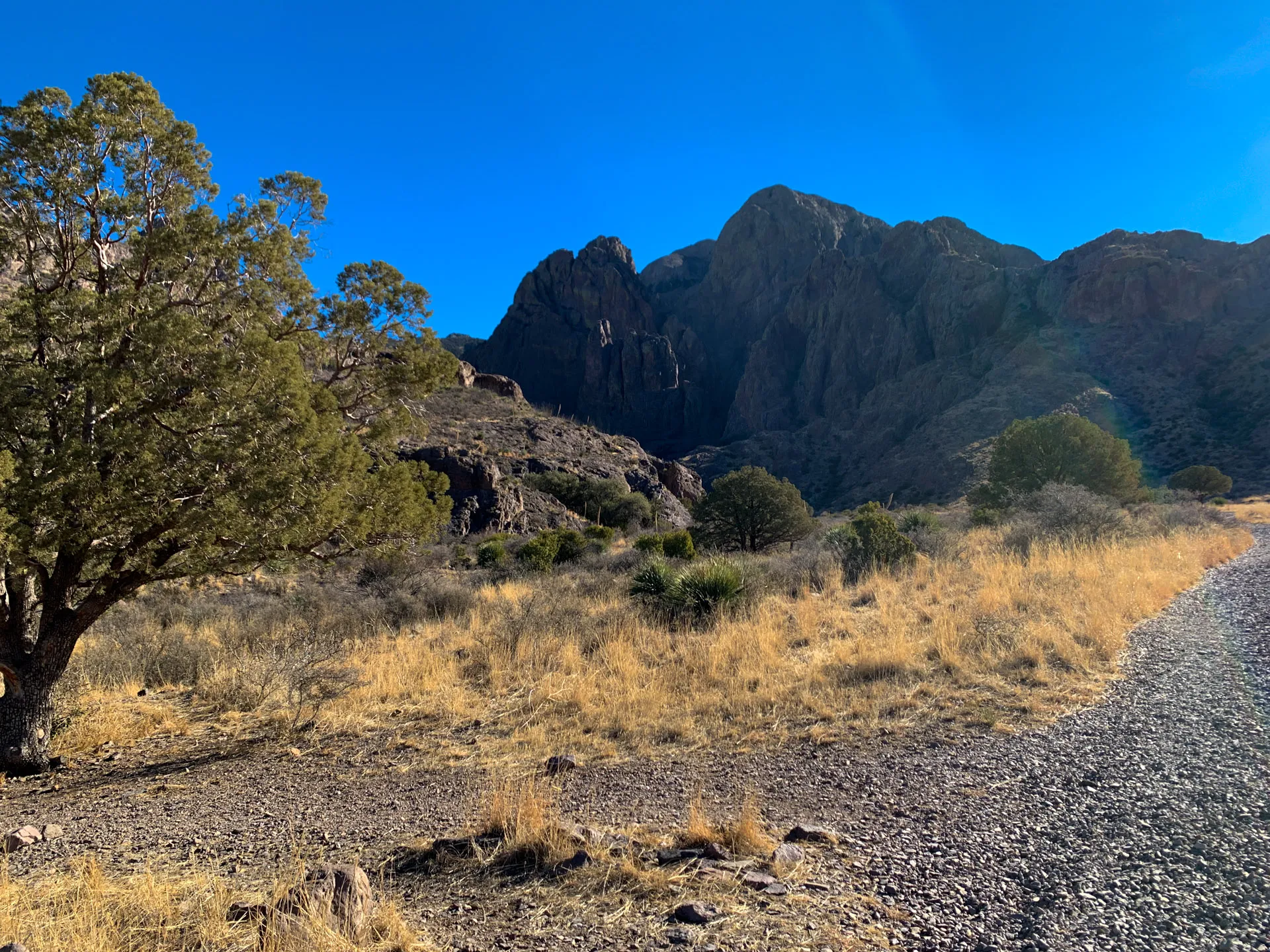
Dry, sprawling desert landscape with sparse, low-lying vegetation in the foreground, leading to rugged, jagged mountains under a clear blue sky. The mountains are sharply contoured, casting minimal shadows in the bright sunlight.

I will have to admit I did look at those beautiful mountains and think about how much fun they would be to climb, but since I was by myself, it was gonna be a hike.

A yellow warning sign is mounted on a wooden post by a rocky mountain trail under a clear blue sky. The sign cautions about the dangers of climbing, advising not to attempt if inexperienced, and to never climb alone. Dry grass and rugged mountain peaks are visible in the background.
A desert landscape featuring rugged brown mountains under a clear blue sky. In the foreground, a wooden trail sign stands on a rocky path, pointing directions to Dripping Springs, Fillmore Canyon Trail, and other locations. Sparse vegetation and dry grass covers the terrain.

It was an extremely well maintained trail, and I had absolutely no trouble finding my way to my destination. 

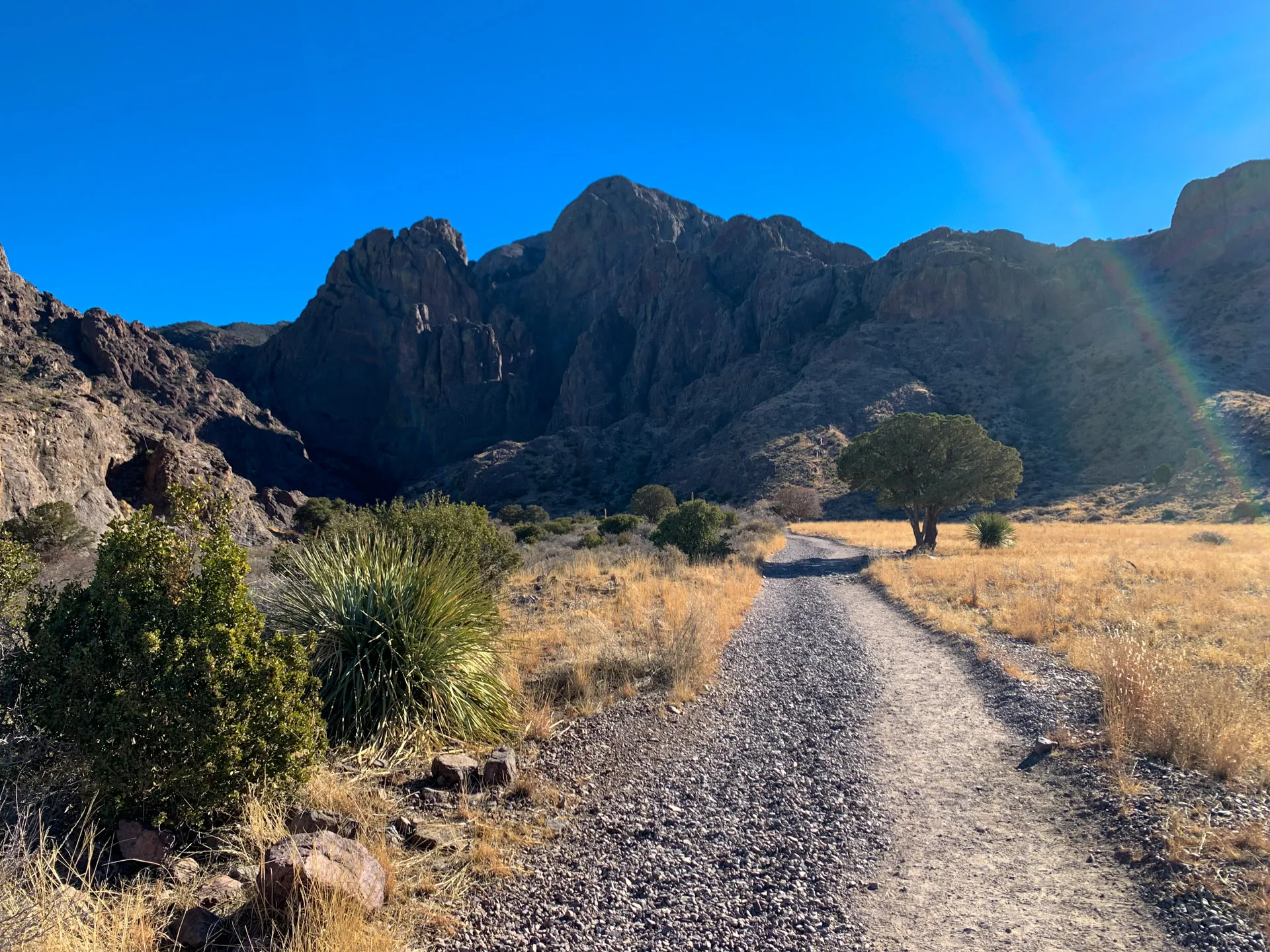
A rocky trail winds through the dry, grassy expanse of Dripping Springs, leading to towering, rugged mountains beneath a clear blue sky. The path is lined with scattered bushes and a lone tree, while sunlight casts a bright lens flare on the right side of the image.

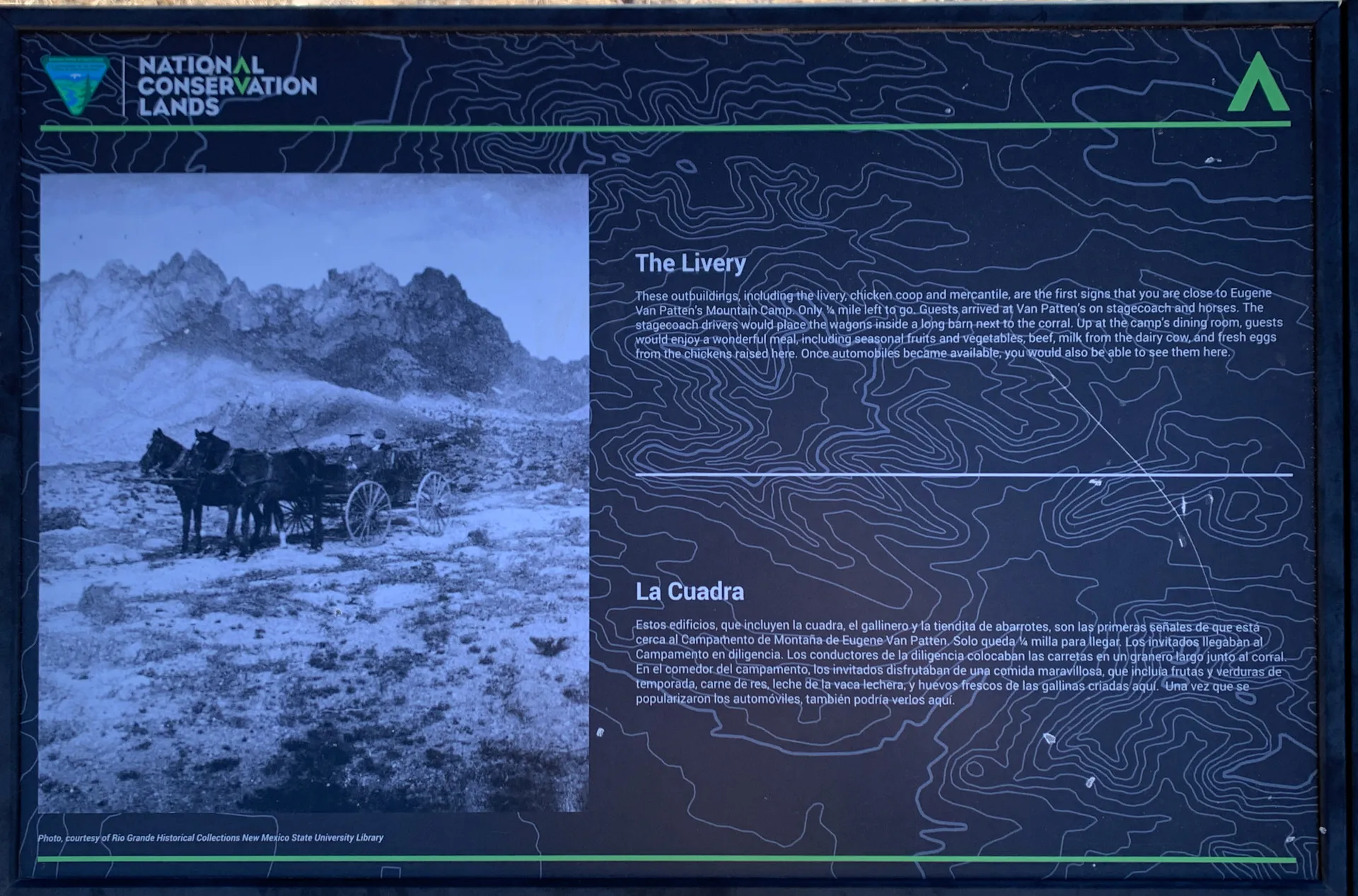
The first destination on the hike was the Livery for Van Patton’s Mountain Camp.

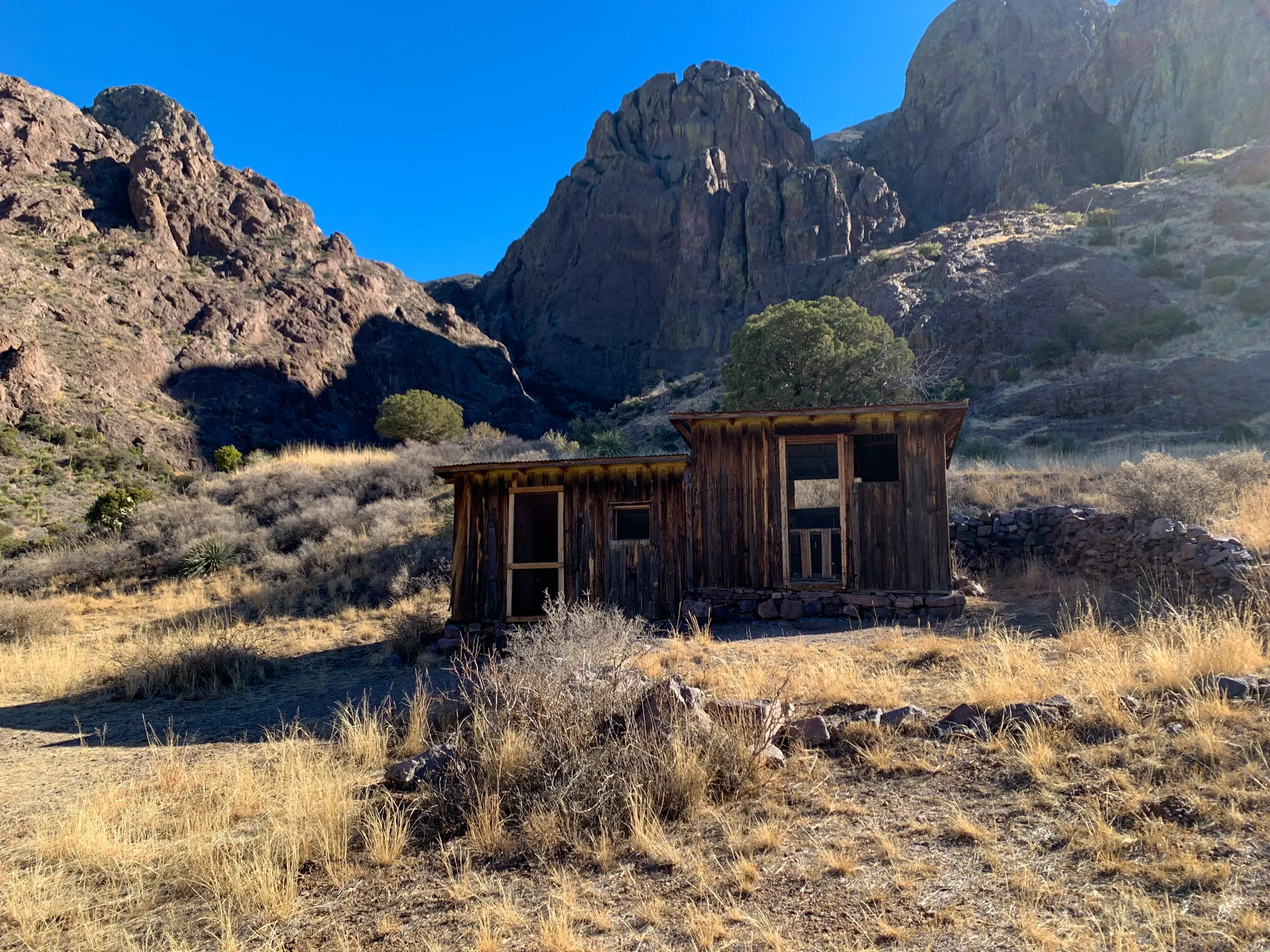
Wooden shacks stand in an arid landscape with dry grass and sparse bushes, set against a backdrop of rugged, sunlit mountains and a clear blue sky. The structures appear weathered, suggesting age and abandonment. Shadows create contrast on the mountainous terrain.
A framed informational display with a black-and-white photo of a horse-drawn wagon in rocky terrain. Text titled "The Livery" in English and "La Cuadra" in Spanish describes historical use of mule teams and wagons. Background features contour lines, with "National Conservation Lands" branding.
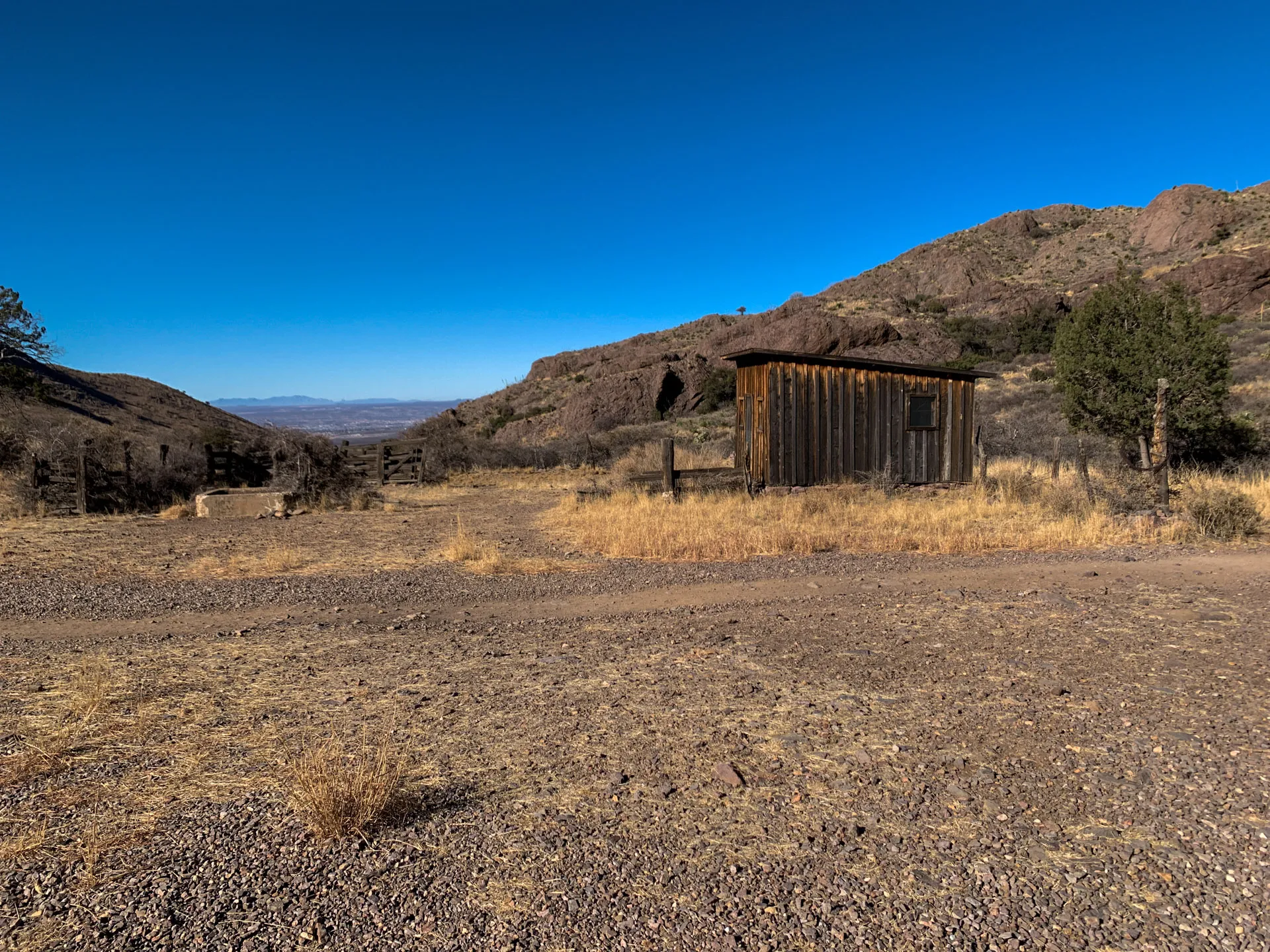
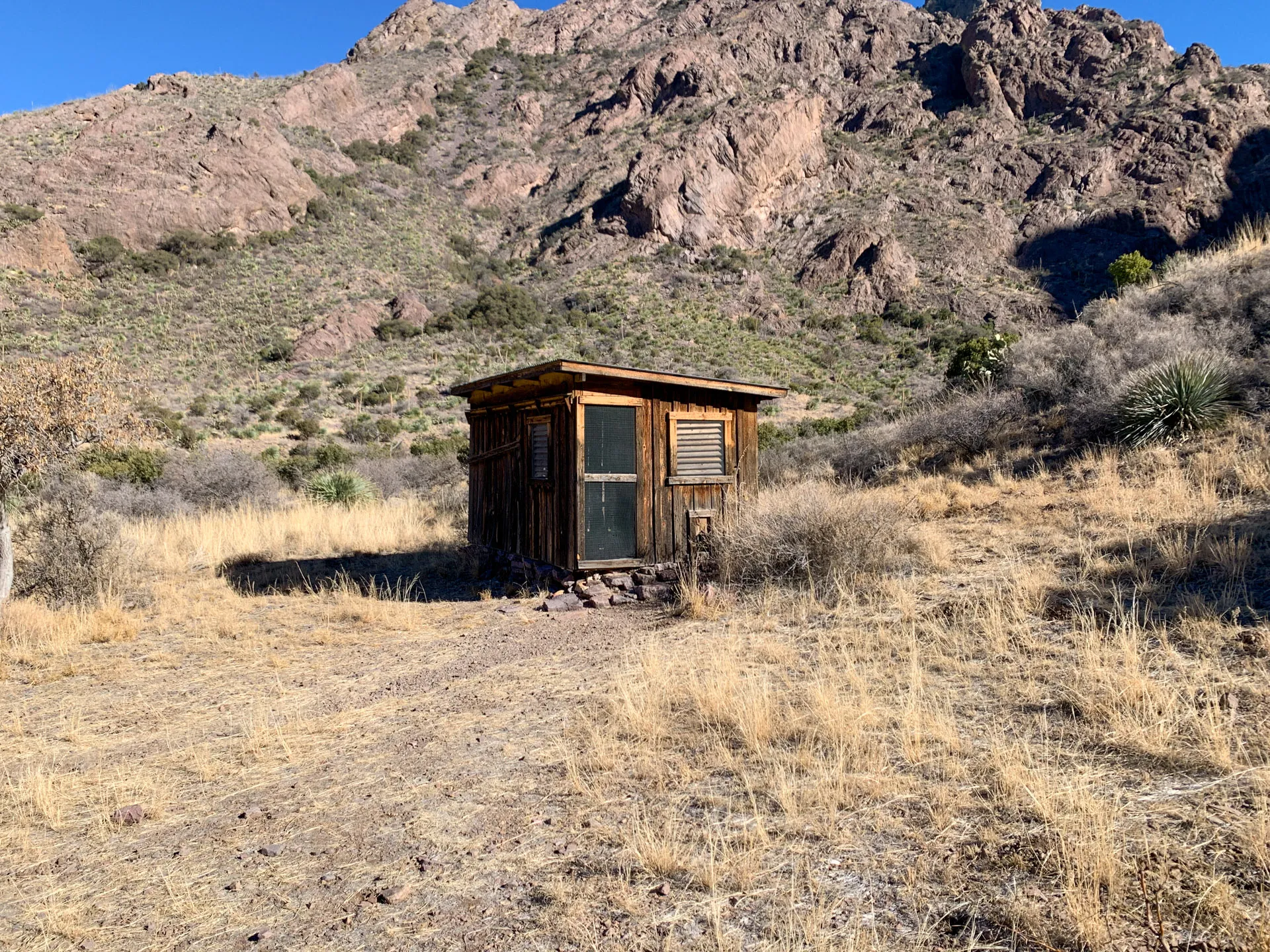
A rustic wooden shed stands in a dry, barren landscape under a clear blue sky. The ground is covered with scattered shrubs and gravel. In the background, rocky hills and sparse trees are visible. A distant view of the horizon is seen between the hills.
A small wooden shack with a metal roof and a door stands in a dry, grassy field surrounded by brush. In the background, there is a rocky hillside under a clear blue sky. The landscape is arid, with scattered vegetation typical of a desert environment.

Then I had to decide whether to go to the sanatorium or the mountain camp. Either way, it promised to be a beautiful and enjoyable hike.

A wooden trail sign stands in a rocky desert landscape with paths leading in multiple directions. It points to Dripping Springs, Boyd Sanatorium, and Van Patten Mtn Camp. In the background, there are rugged mountains and a clear blue sky. A tree with sparse leaves is on the left.

I chose the sanatorium.

Dirt trail leading through a rocky, shrub-filled landscape. On the right, an old wooden cabin and a small outhouse sit on a stone foundation. In the background, sunlit hills rise against a clear blue sky. Sparse vegetation and rugged terrain suggest a remote, rustic setting.
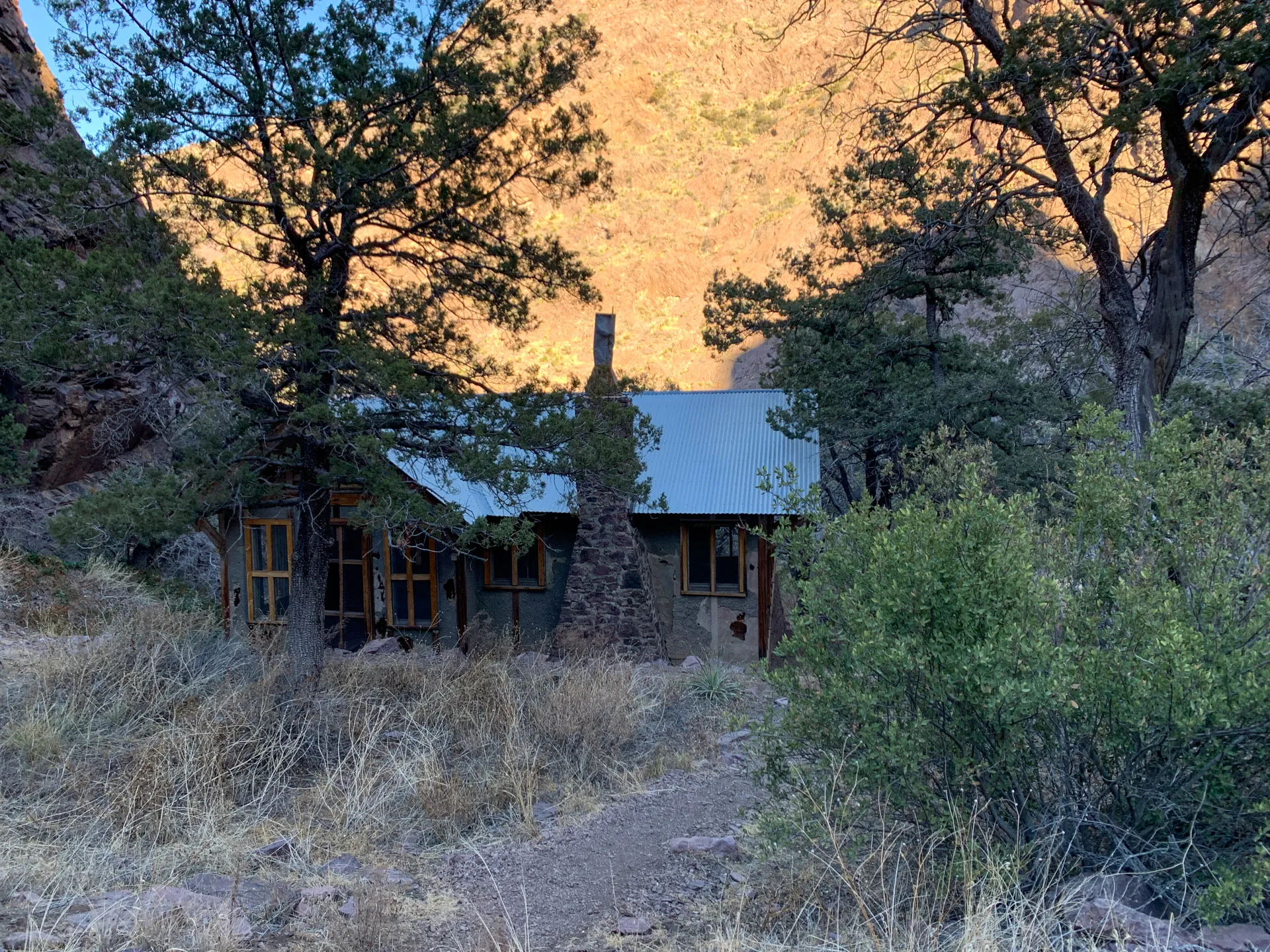
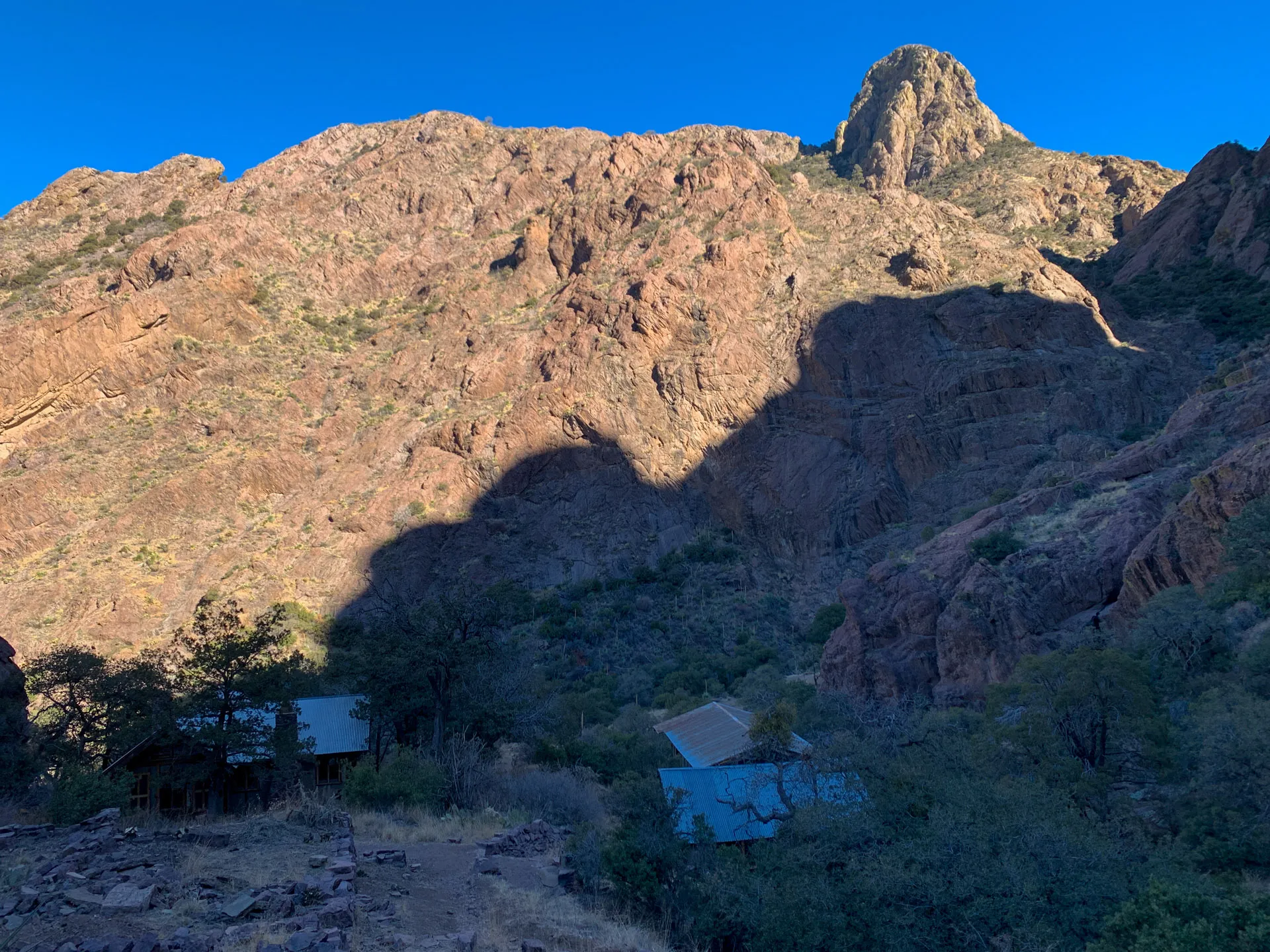
An old, rustic cabin with a metal roof nestled in a rocky canyon. The structure has wooden beams and glass windows, partially shaded by a tree. The backdrop features rugged, sunlit rock formations under a clear blue sky. Sparse vegetation surrounds the cabin.

A Vision of Healing in the Desert

The story of Boyd’s Sanatorium begins in 1910, when Dr. Nathan Boyd envisioned a state-of-the-art medical facility where tuberculosis patients could benefit from the dry desert air, which was believed to aid in respiratory health. Tuberculosis—known as the “White Plague”—was one of the most devastating diseases of the era, and the clean, arid air of the American Southwest had gained a reputation for being beneficial to those afflicted.

Dr. Boyd was no stranger to ambition. In 1917, he acquired the property from Colonel Eugene Van Patten, a former Confederate soldier who had already established a popular resort on the land known as Van Patten’s Mountain Camp, which I would head to after I checked out the sanatorium.

The camp, dating back to the late 1870s, had drawn visitors seeking relaxation and the supposed health benefits of the region’s high desert air. Boyd saw this as an opportunity to expand upon Van Patten’s legacy—transforming a leisure retreat into a place of healing.

Boyd’s vision included a fully equipped sanatorium where patients could rest, breathe in the clean mountain air, and find solace in the quiet seclusion of the Organ Mountains. Patients from across the country sought out the facility, hoping that the dry air and peaceful setting would help ease their symptoms.

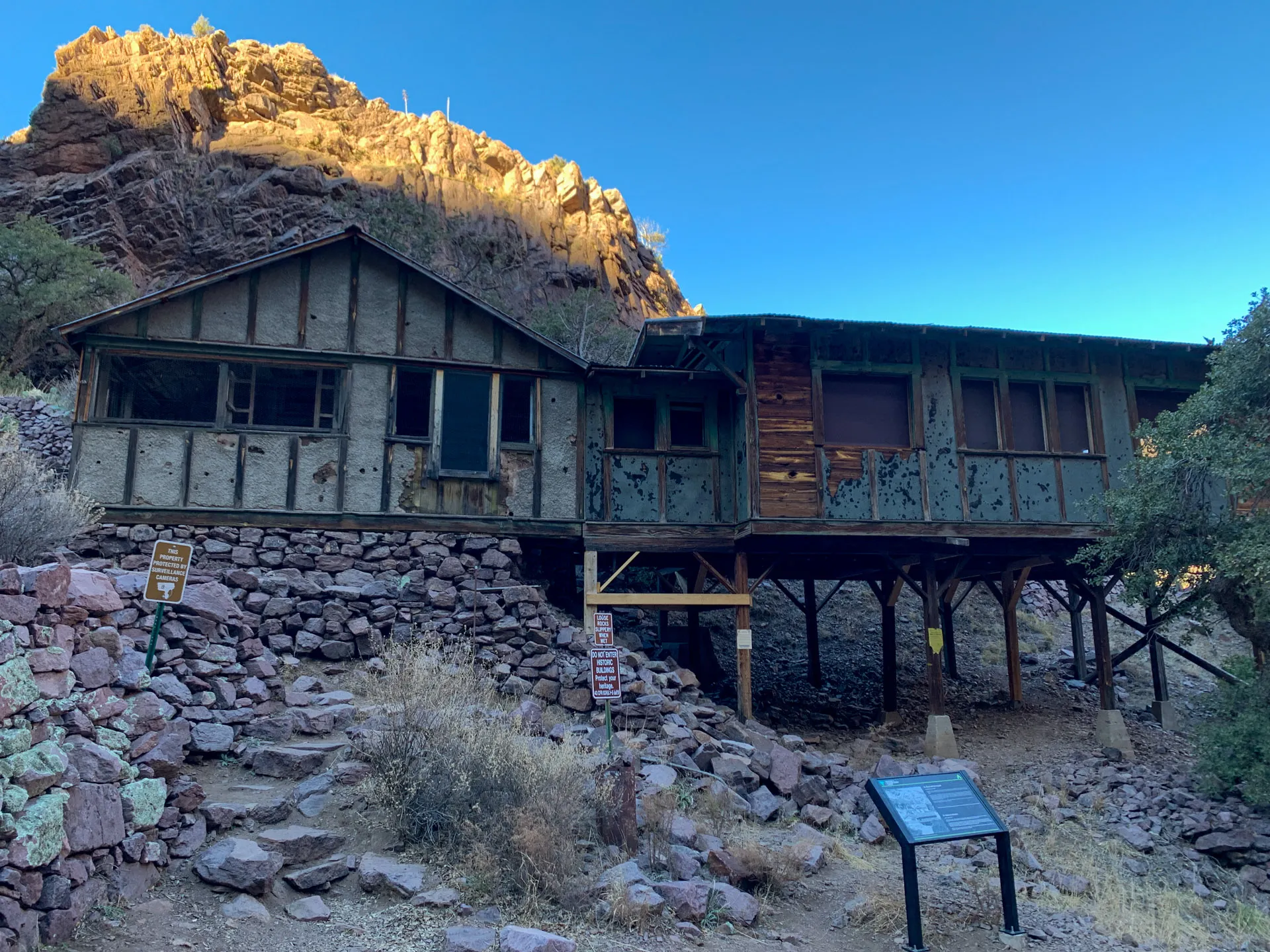
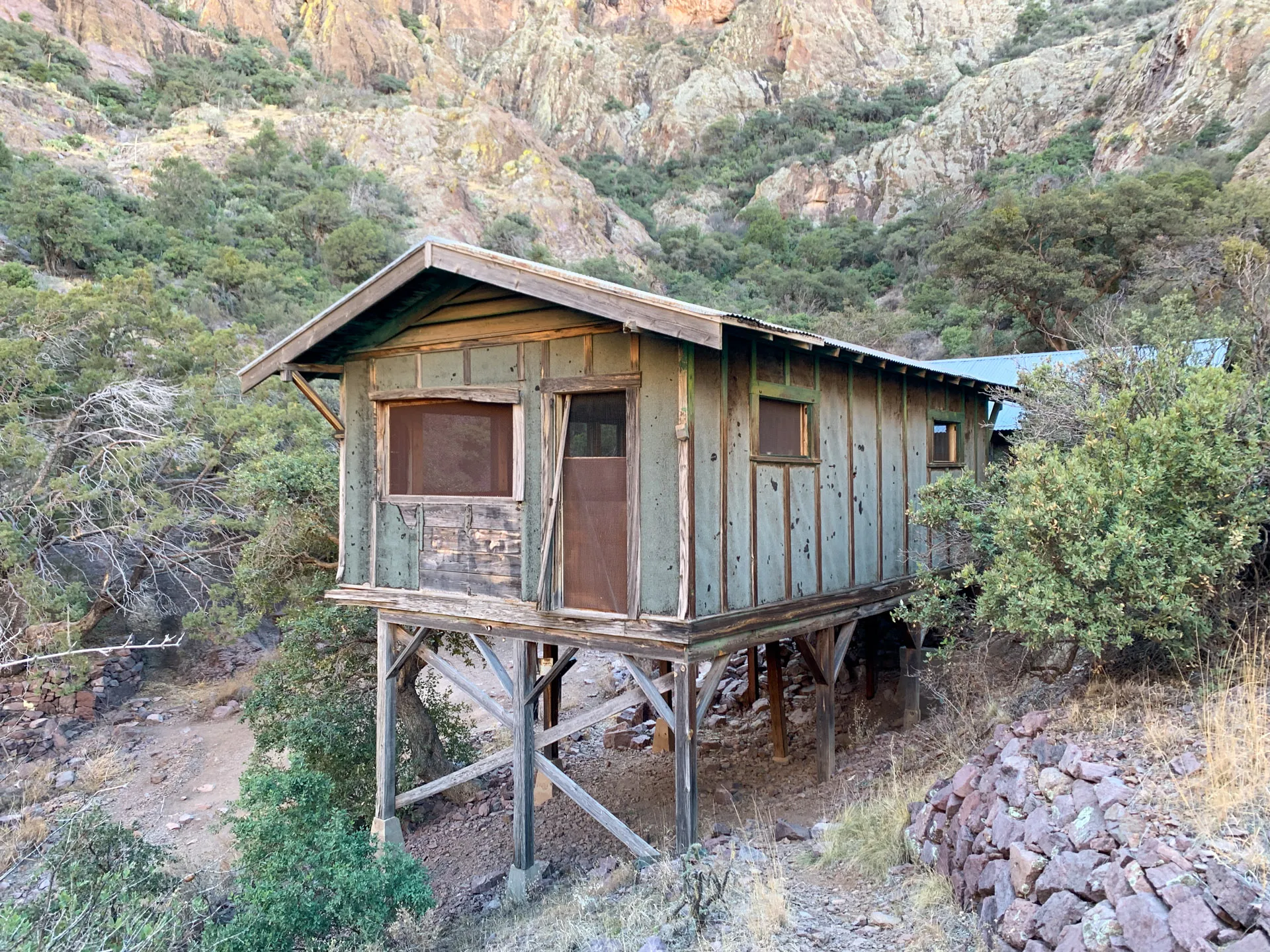
A rustic, weathered wooden cabin elevated on stilts in a rocky desert landscape. The surrounding terrain has dry vegetation and stones. There's an informational sign in front, and a rocky hill bathed in golden sunlight rises behind the cabin. A clear blue sky is above.
A small, rustic cabin with a metal roof nestled among pine trees in a mountainous area. The cabin has stone and wood construction, with a chimney and several windows. Surrounding it are dry grass and bushes. The background showcases sunlit rocky cliffs under a clear sky.

While Boyd’s medical vision was promising, financial challenges quickly emerged. The costs of maintaining and expanding the facility, combined with the logistical difficulties of running a remote mountain sanatorium, created mounting financial pressure. Despite Boyd’s determination, the sanatorium struggled to remain viable.

Over time, the lack of funds, competition from more accessible medical facilities, and the eventual medical advancements in tuberculosis treatment led to the sanatorium’s closure. The buildings were abandoned, left to the harsh desert elements. The mountain air that had once been seen as healing became a relentless force of erosion, slowly reclaiming the stone walls and wooden beams.

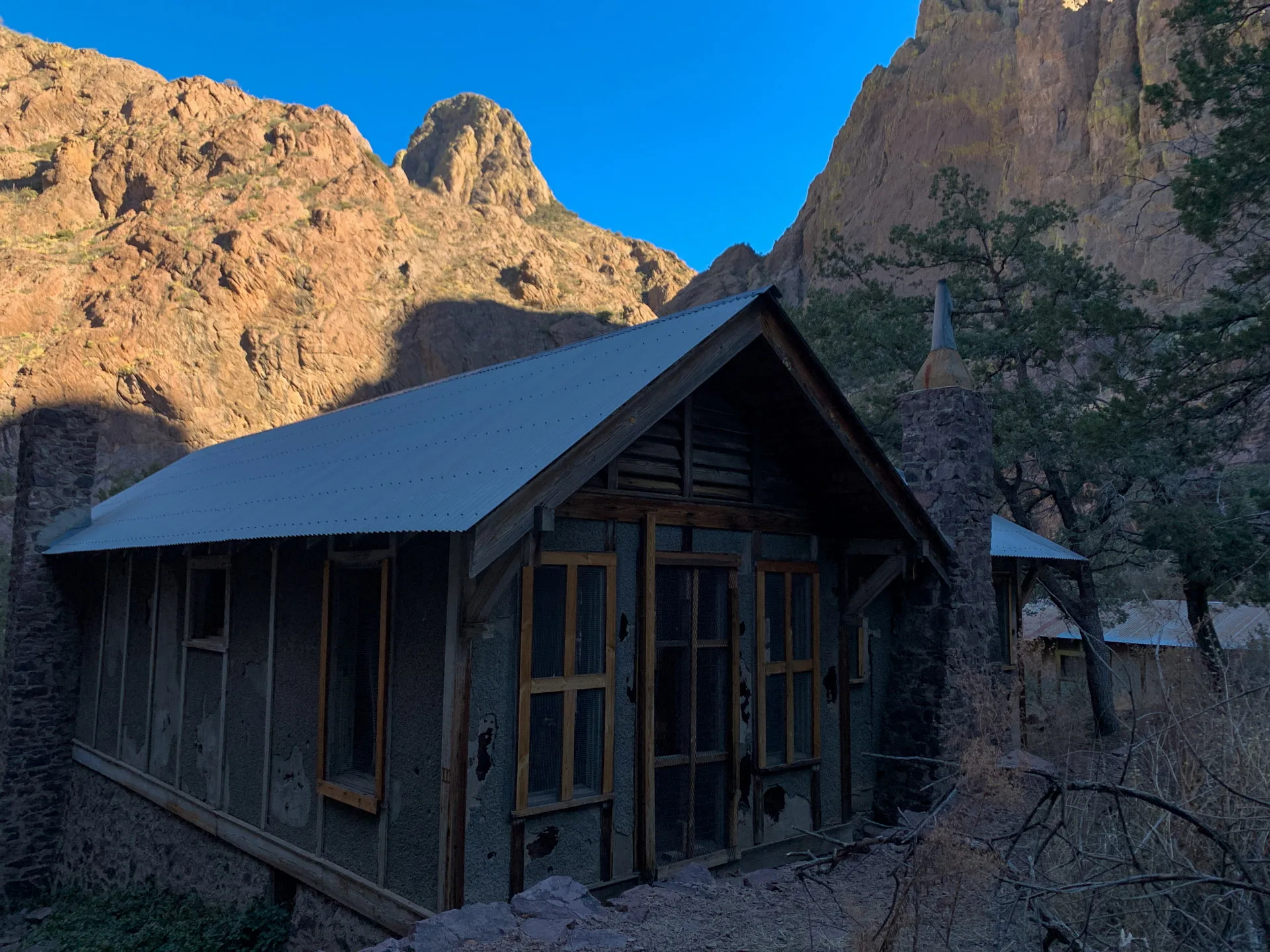
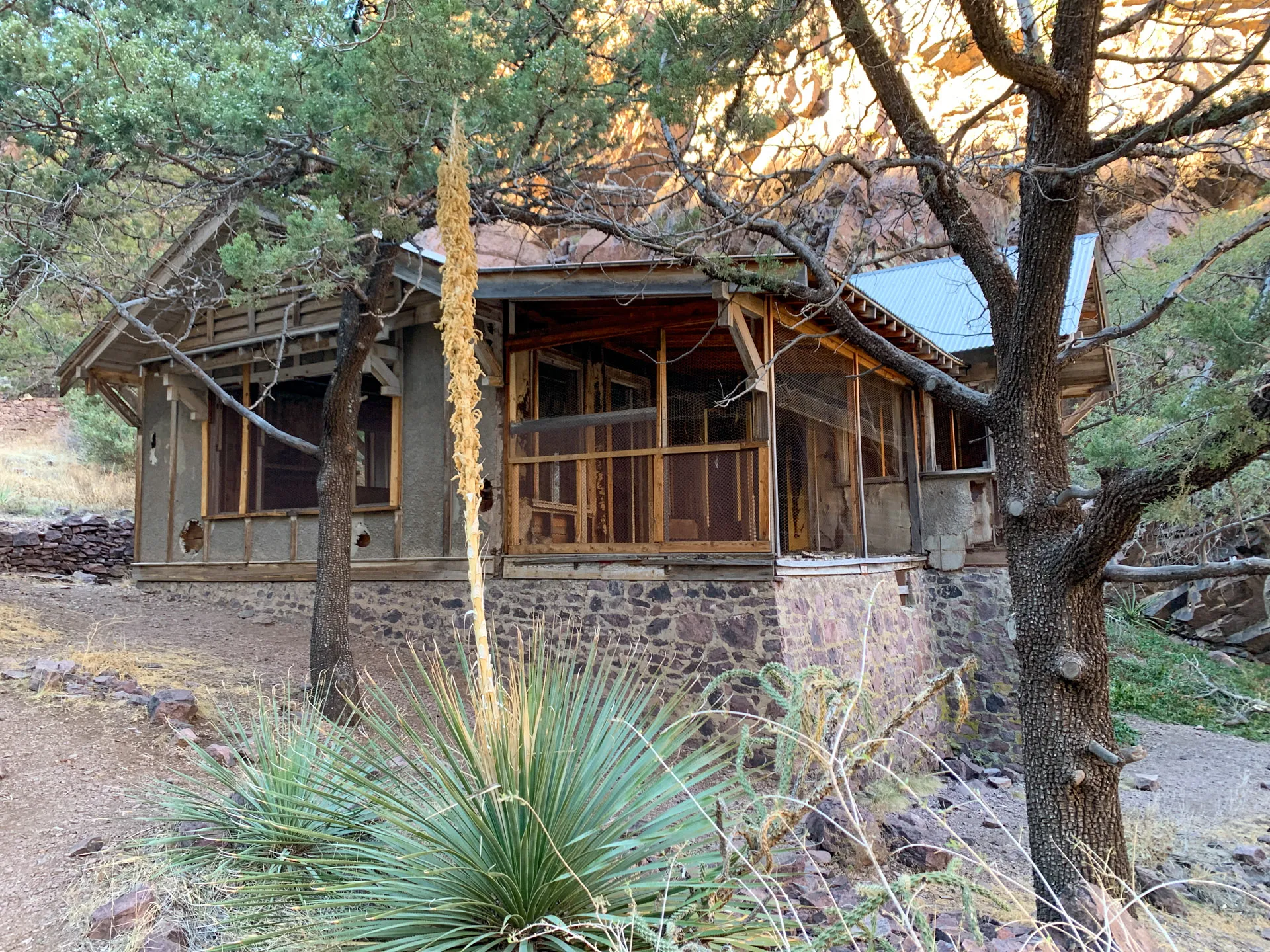
A rustic cabin with a stone foundation and wooden frame is nestled among tall trees. The structure features large screened windows and a tin roof. In the foreground, desert plants and grass are visible, with a rocky hillside in the background illuminated by sunlight.
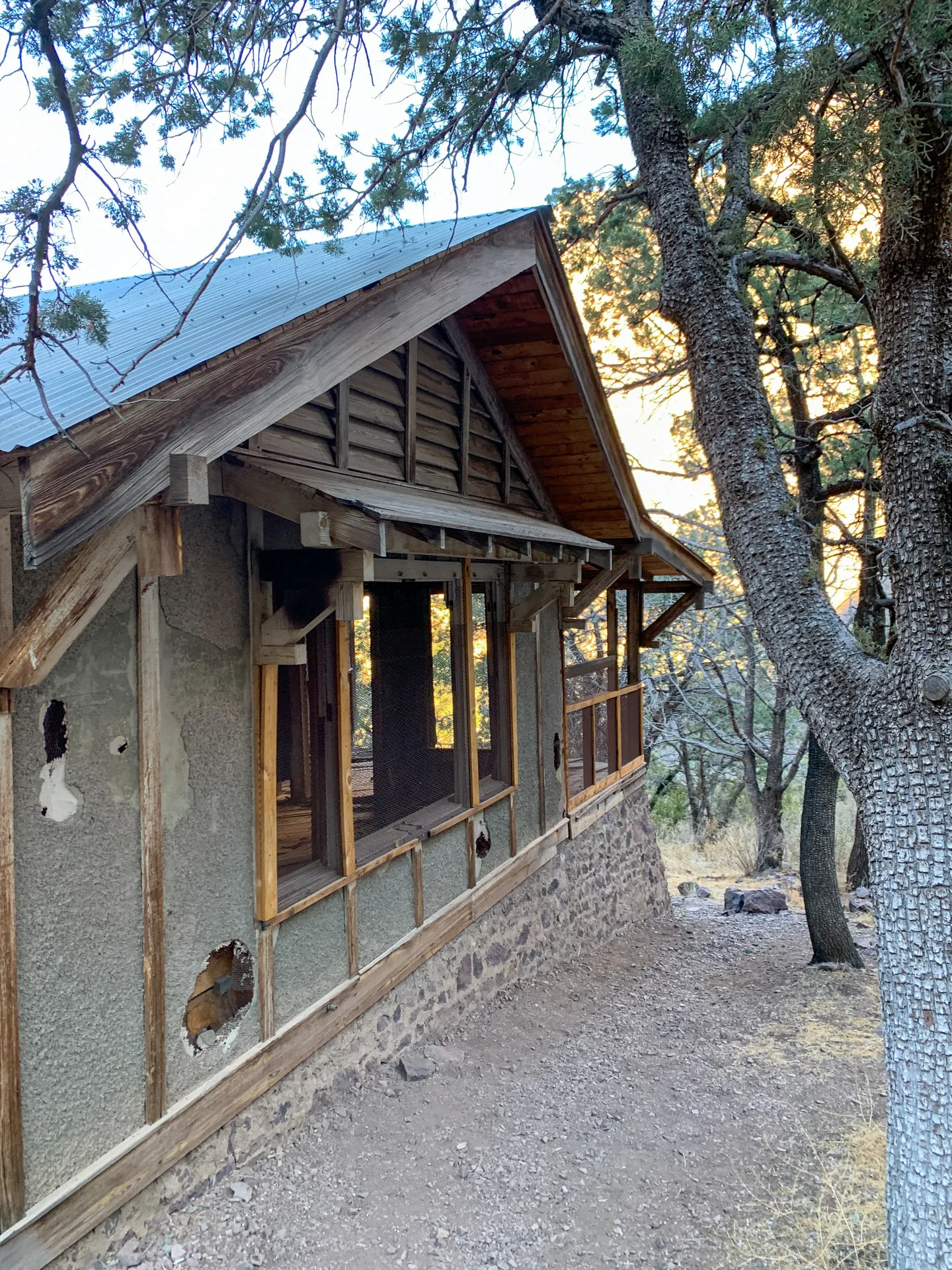
Abandoned wooden cabin with visible wear, missing windows, and damaged walls. The structure sits on a stone foundation amid a wooded area. Sunlight filters through the trees, casting dappled shadows on the ground, hinting at a quiet, serene forest setting.
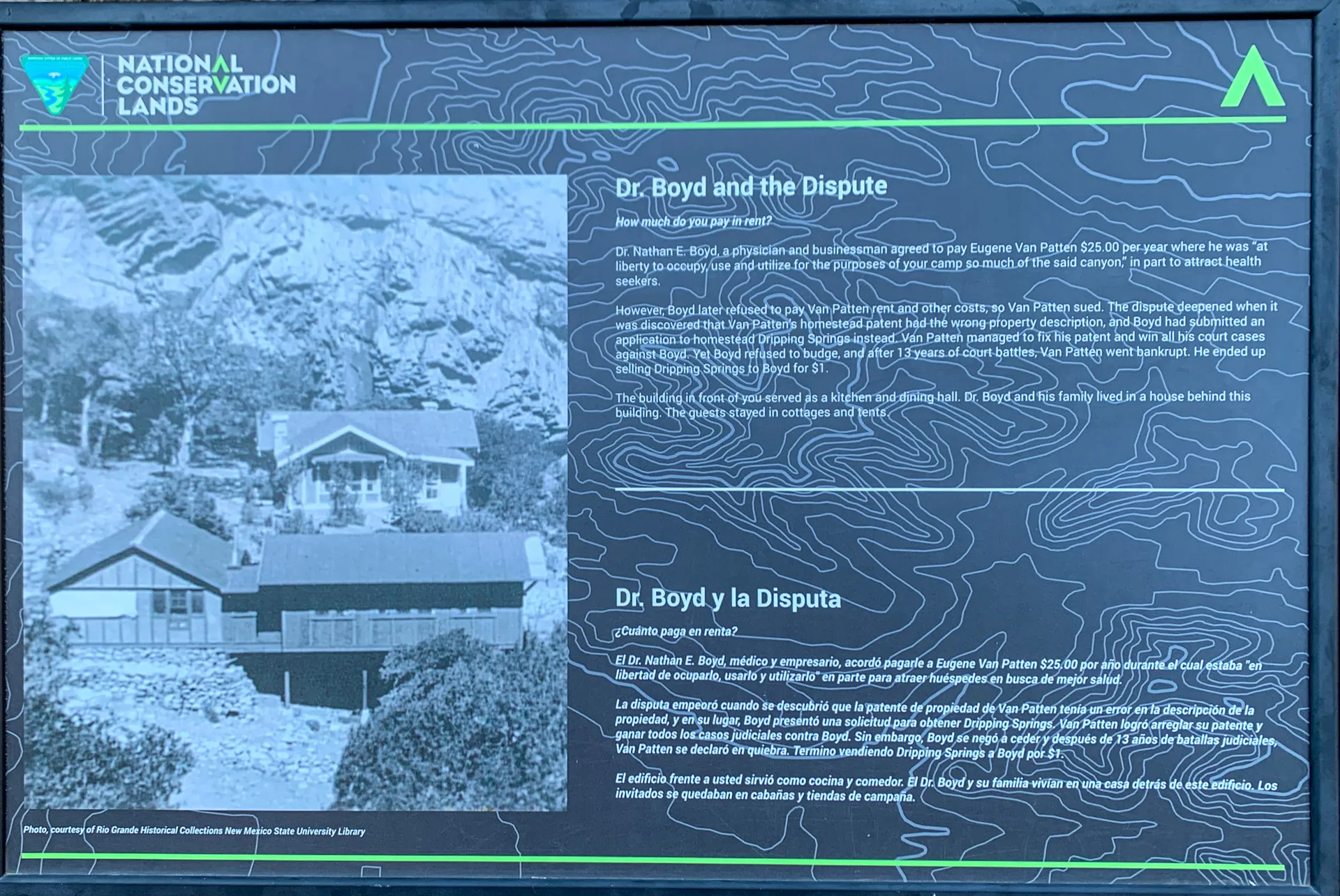
A bilingual informational sign titled "Dr. Boyd and the Dispute" against a dark, topographic map background. It features a grayscale image of a house surrounded by trees. Text provides a historical account regarding land and legal issues. National Conservation Lands logo is at the top.
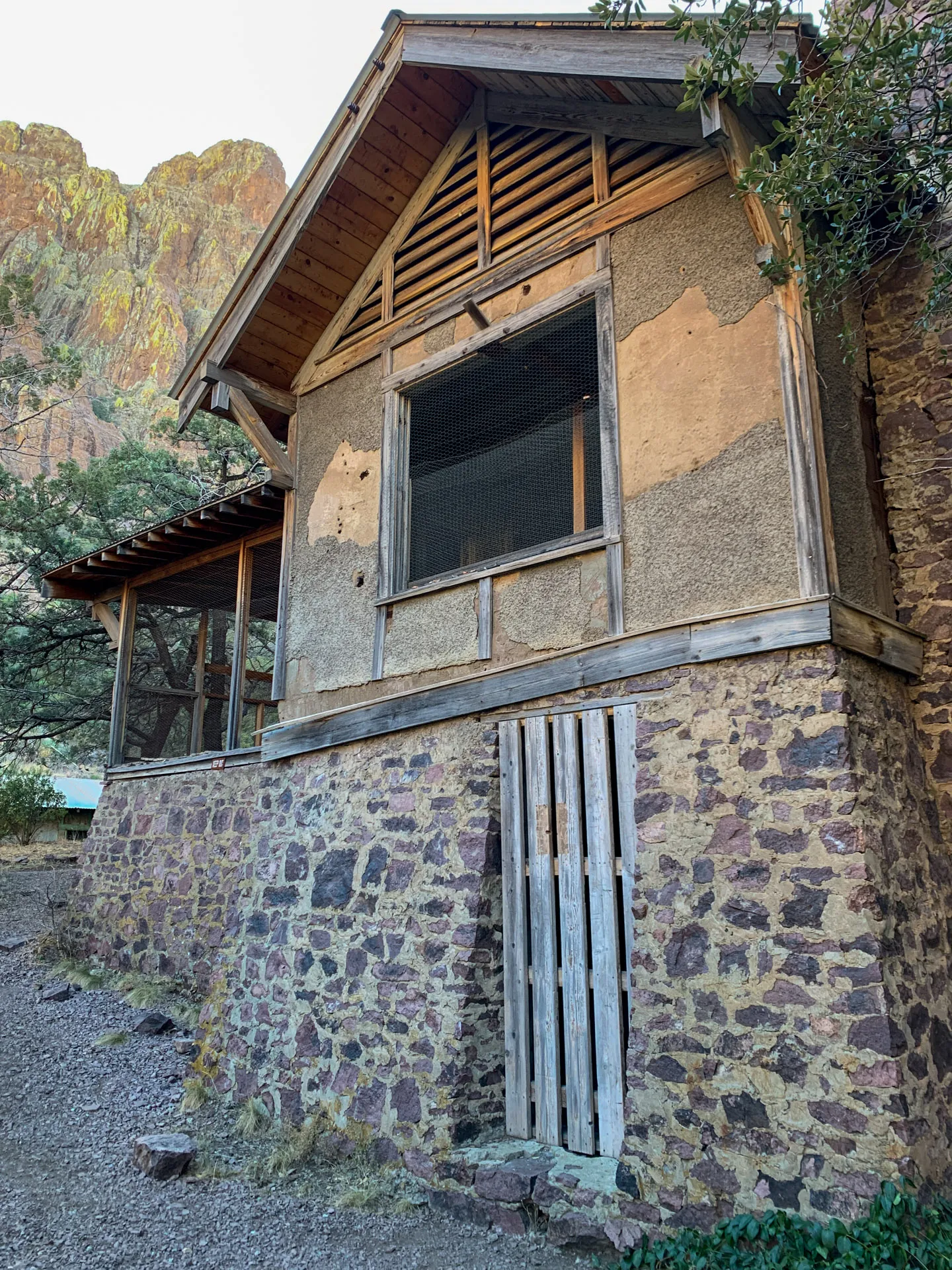
A rustic building with a stone foundation, wooden siding, and a slanted roof. The front features large screened windows and wooden slats. A tree and rocky terrain are visible around it. In the background, there's a sunlit cliff with shrubs.
A weathered wooden cabin stands on stilts amidst rugged terrain. The structure has green and brown siding, with a few windows and a small porch. It's surrounded by dense greenery and set against a backdrop of steep, rocky cliffs under a clear sky.

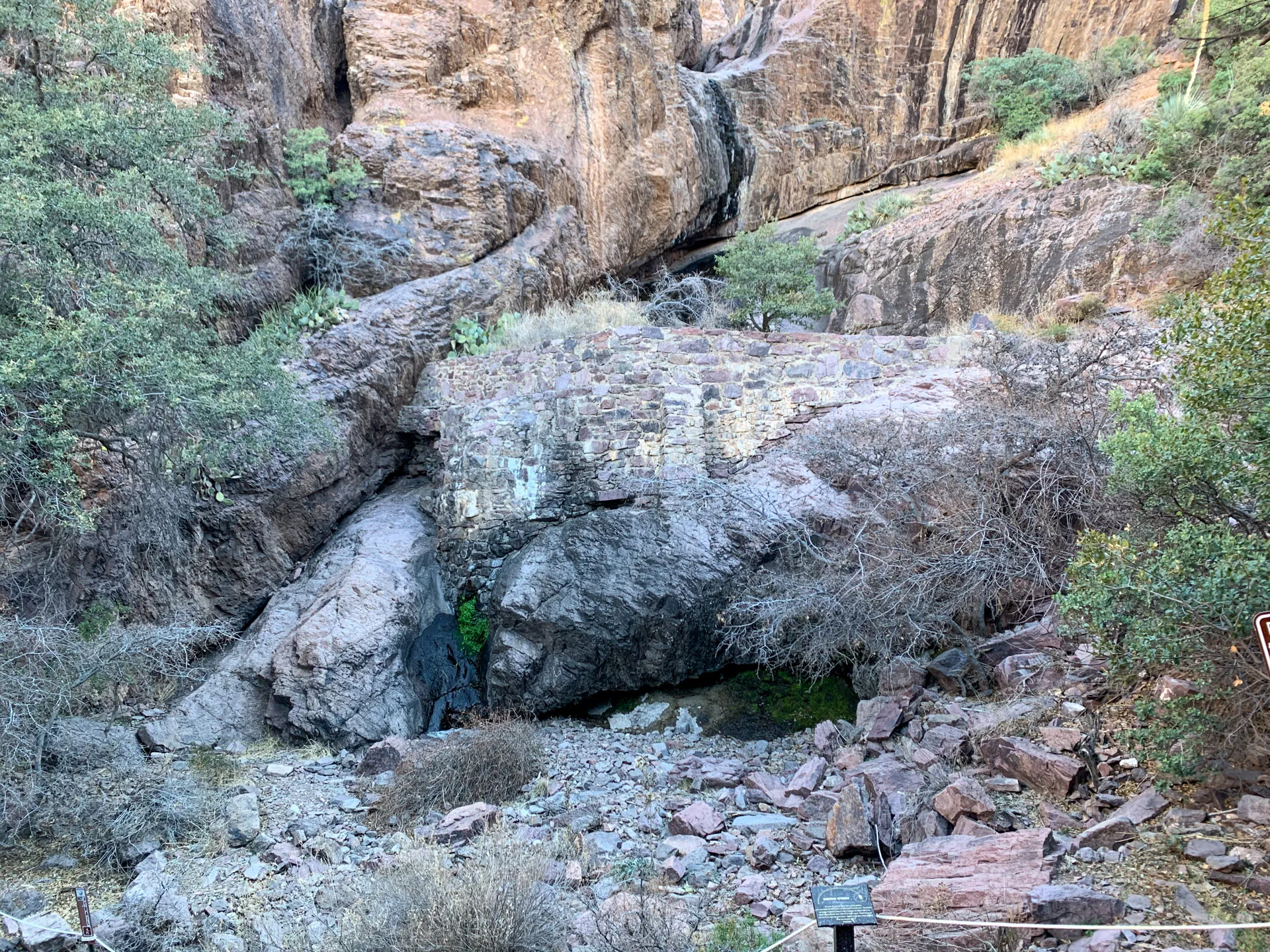
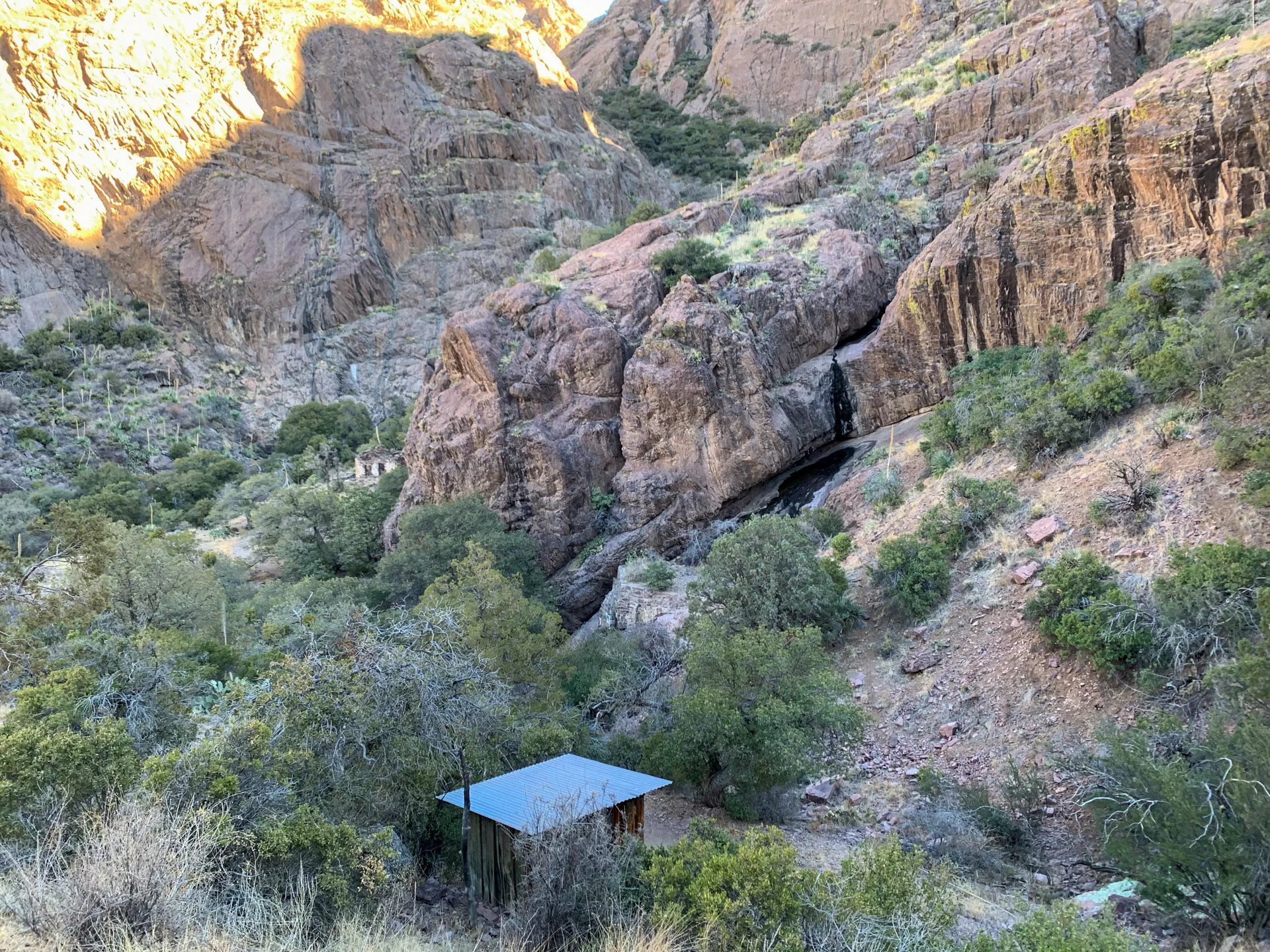
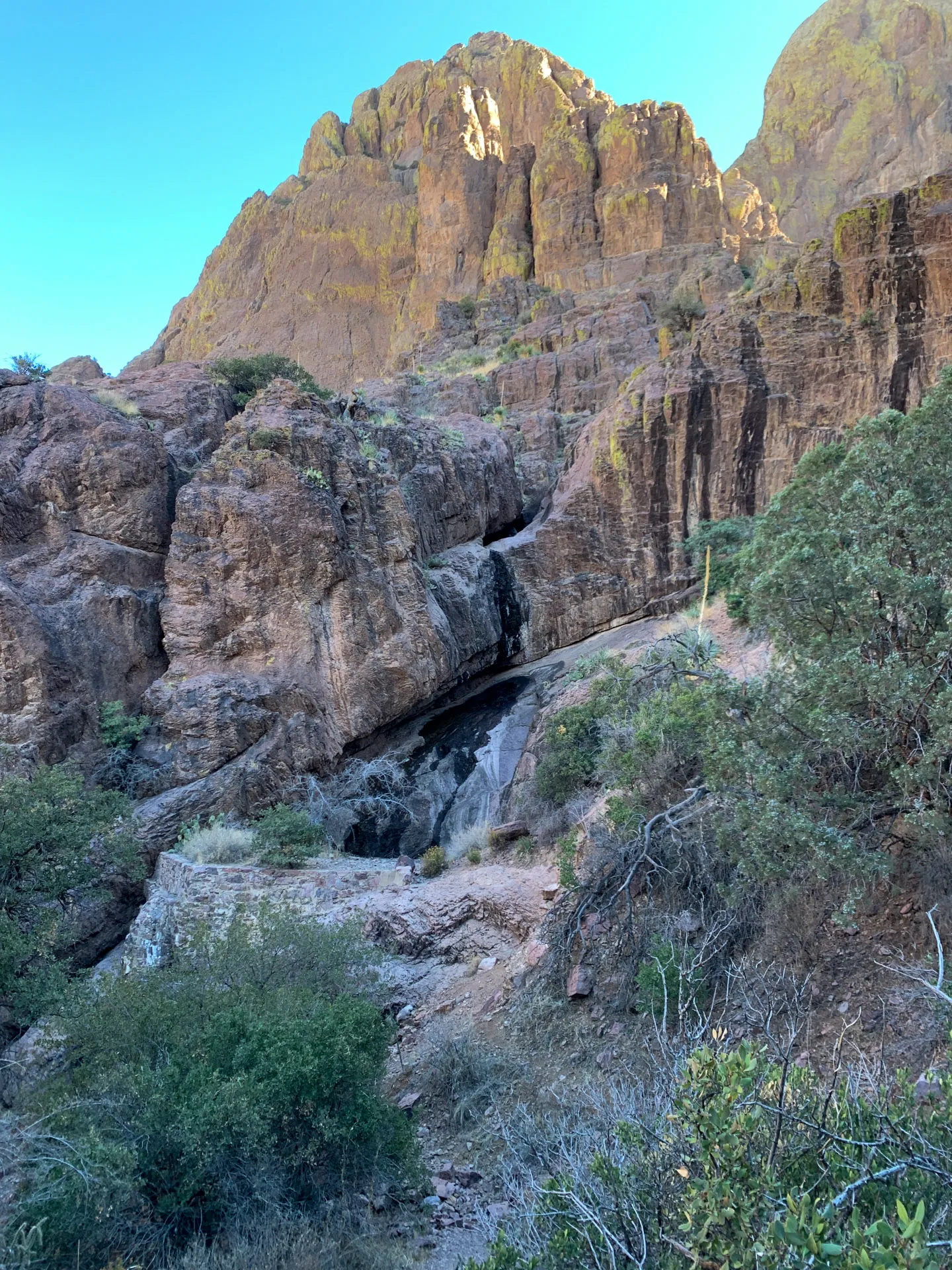
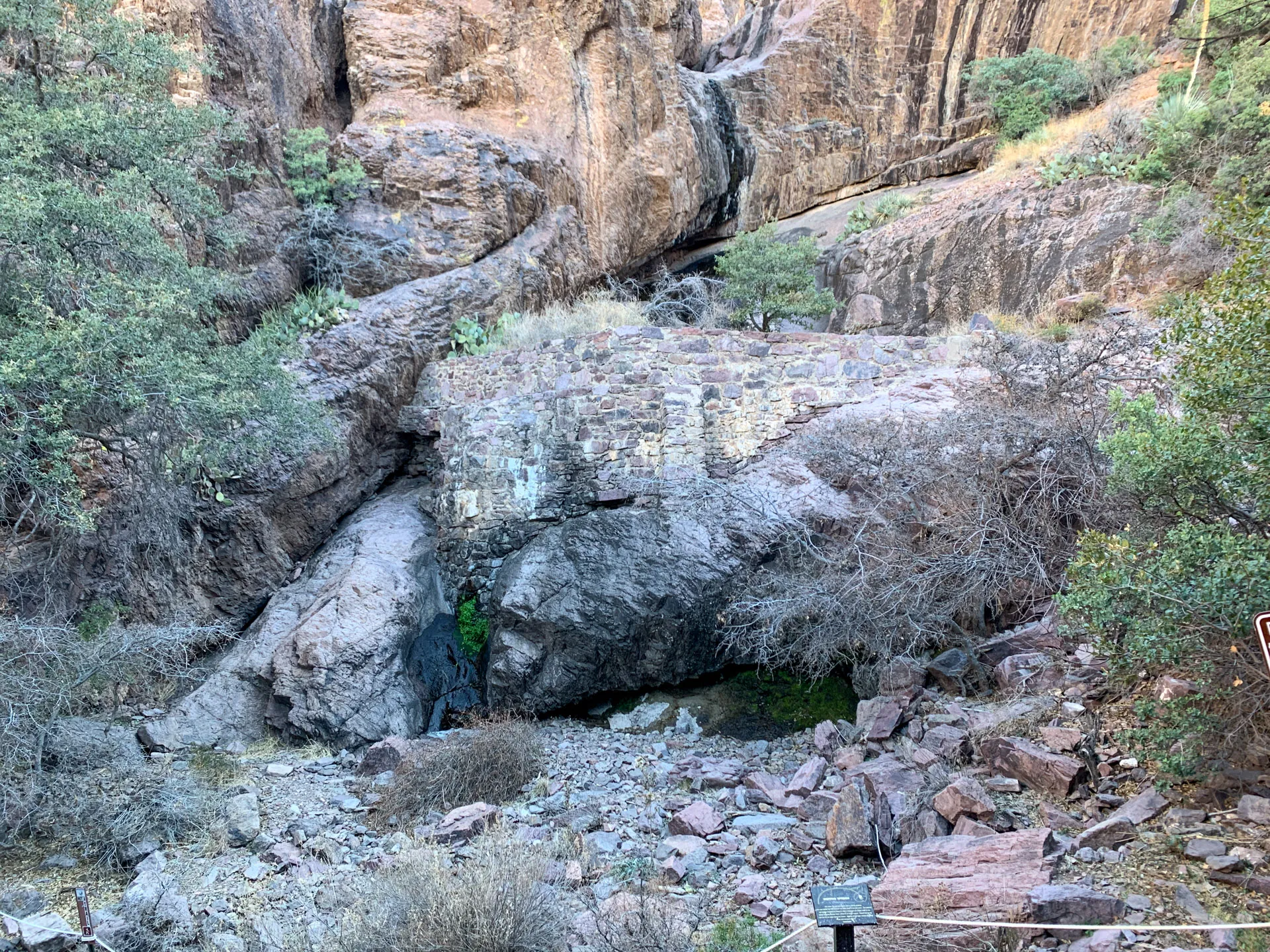
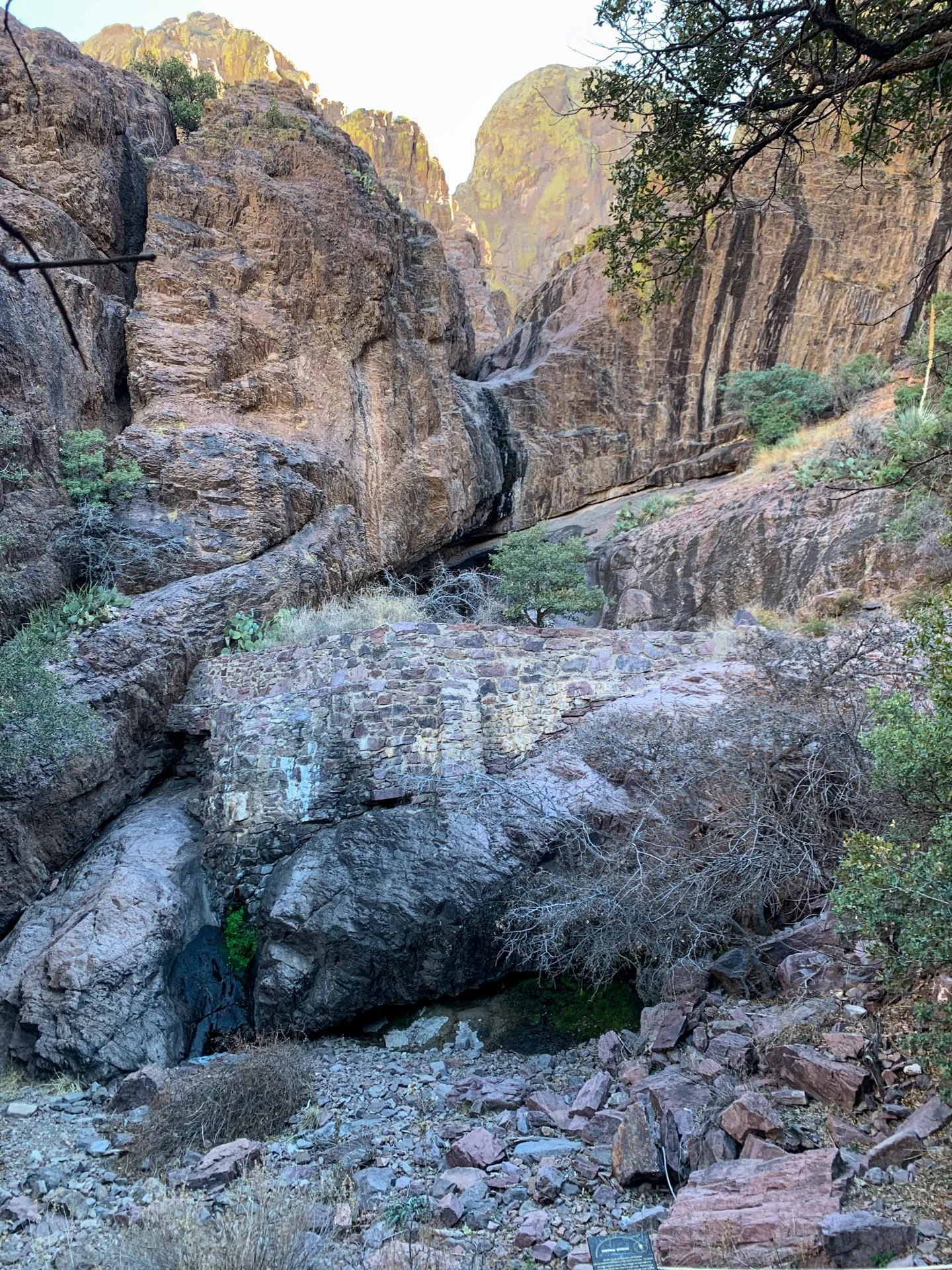
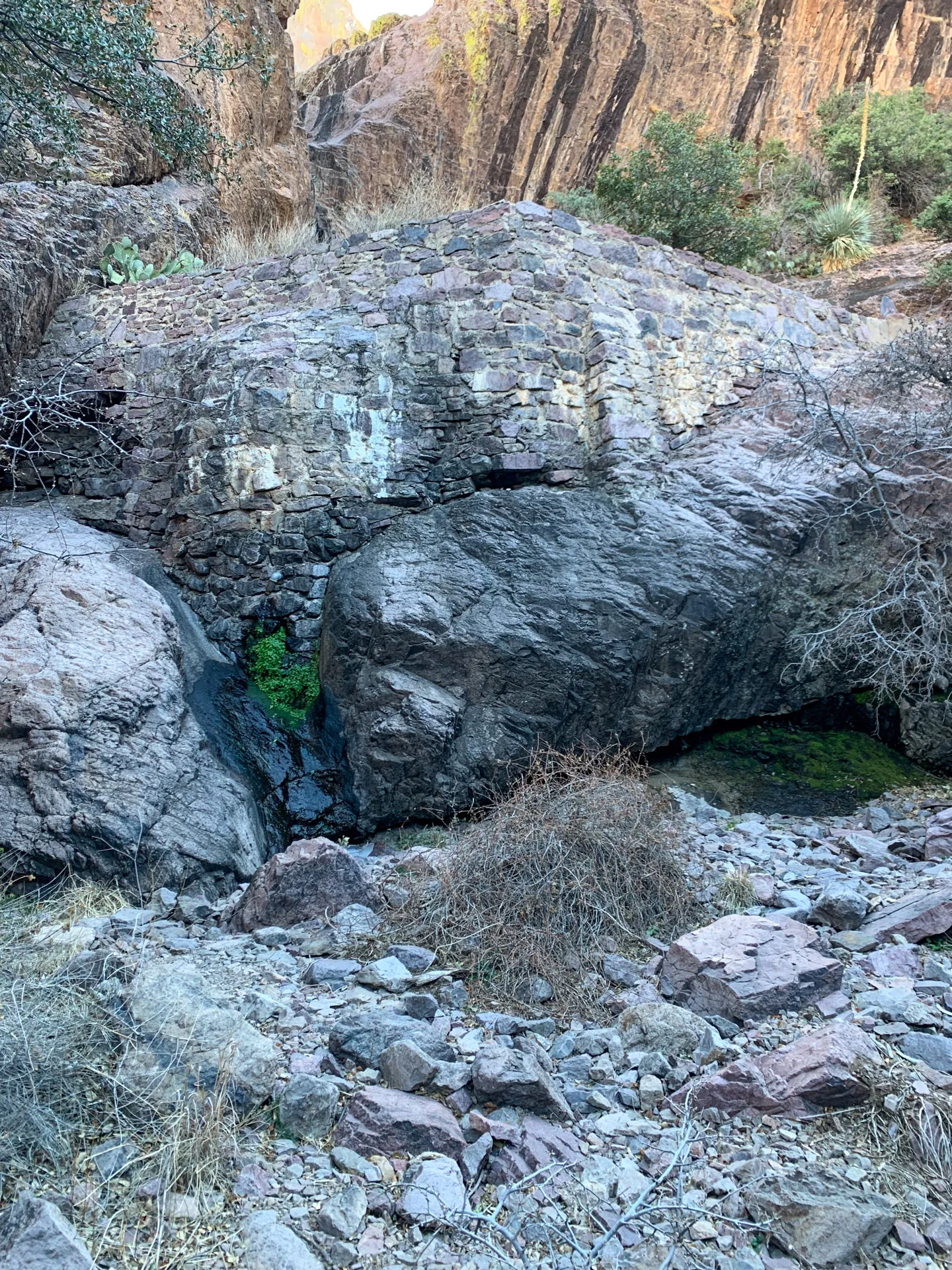
I reversed course and headed toward Van Patten’s Mountain Camp, stopping at the reservoir built to supply water to the camp. The stonework still stands today, but it is extremely fragile, and you can’t get any closer than this.

Rocky terrain with a small waterfall cascading down layered stone. Sparse green shrubs and trees dot the landscape amidst dry, rugged rocks. A wire fence and a small informational sign are visible in the foreground. The scene is set against a backdrop of tall rock formations.

The Visionary Behind the Camp

Colonel Eugene Van Patten was a man of many talents and experiences. Born in New York, he ventured west as a young man and became involved with the Butterfield Stage Line, which was operated by his uncle, John Butterfield. His career path took him through a variety of roles—stagecoach driver, Confederate officer during the Civil War, and even county sheriff in Mesilla, New Mexico.

After settling in New Mexico, Van Patten recognized the potential of the Organ Mountains as a destination for relaxation and healing. He had seen how the dry desert air was believed to have health benefits, particularly for respiratory issues, and he saw an opportunity to create a mountain retreat that combined comfort, entertainment, and health.

Building the Mountain Camp

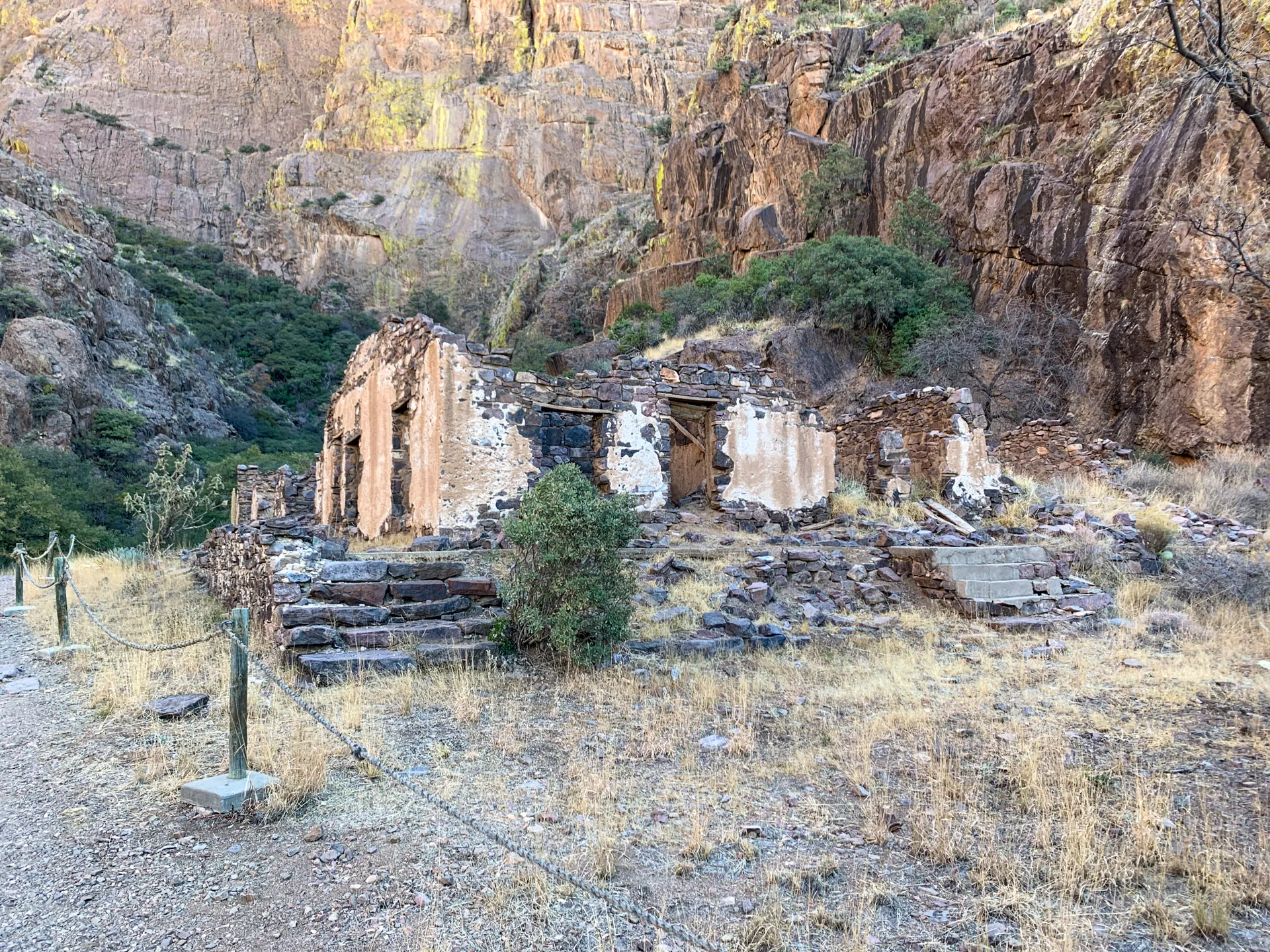
In the early 1870s, Van Patten established Van Patten’s Mountain Camp near Dripping Springs, a reliable water source in the otherwise dry desert. The camp was a significant undertaking—a cluster of stone buildings constructed from native rock, blending into the rugged landscape. The resort included approximately 16 rooms, a spacious dining hall, and even a concert hall.

The interiors were decorated with muslin-covered ceilings and patterned wallpaper, giving the rustic stone buildings a surprising touch of elegance. Van Patten landscaped the grounds carefully, creating a serene environment complete with a gazebo that doubled as a bandstand.

Despite its remote location, the resort offered guests modern comforts. The reliable water source at Dripping Springs allowed Van Patten to maintain lush vegetation and provide fresh water to his guests—an unusual luxury in the desert.

Ruins of a stone building with crumbling walls and no roof, surrounded by dry grass and rugged terrain. A rope fence leads to the structure. Rocky cliffs and sparse vegetation are in the background, under a clear blue sky. A few steps are visible in front of the ruins.

A Destination for the Elite

Van Patten’s Mountain Camp quickly gained a reputation as a premier destination. Its clientele included some of the most well-known figures of the day. Legendary lawman Pat Garrett—the man who killed Billy the Kid—was known to visit. Even the notorious Mexican revolutionary Pancho Villa is said to have spent time at the camp.

Students from the nearby New Mexico College of Agriculture and Mechanic Arts (now New Mexico State University) also made their way to the camp for relaxation and exploration. The combination of fresh mountain air, natural beauty, and Van Patten’s warm hospitality made the resort a magnet for travelers seeking both health and adventure.

Ruins of a stone building with crumbling walls stand amid dry grass and rocky terrain. A rope barrier surrounds the site. In the background, steep, sunlit cliffs rise against a clear blue sky, while scattered vegetation grows along the rocky surfaces.
A weathered stone building ruin with two doorways stands amidst dry grass and scattered rocks. The walls are partially crumbled. In the background, rugged cliffs are visible under a clear blue sky, adding to the scene's rustic, historical atmosphere.

Challenges and Transition

Although the camp thrived in the late 19th century, the early 20th century brought financial difficulties. Maintaining a resort in such a remote location was expensive, and the competition from more easily accessible health resorts began to grow. Van Patten struggled to keep up with the financial demands of running the camp.

In 1917, Van Patten sold the property to Dr. Nathan Boyd, who transformed the resort into a tuberculosis sanatorium. Boyd shared Van Patten’s belief in the healing power of the desert air and hoped to create a medical facility where patients could recover from respiratory diseases. While the sanatorium operated for several years, financial difficulties and medical advancements eventually rendered it obsolete.

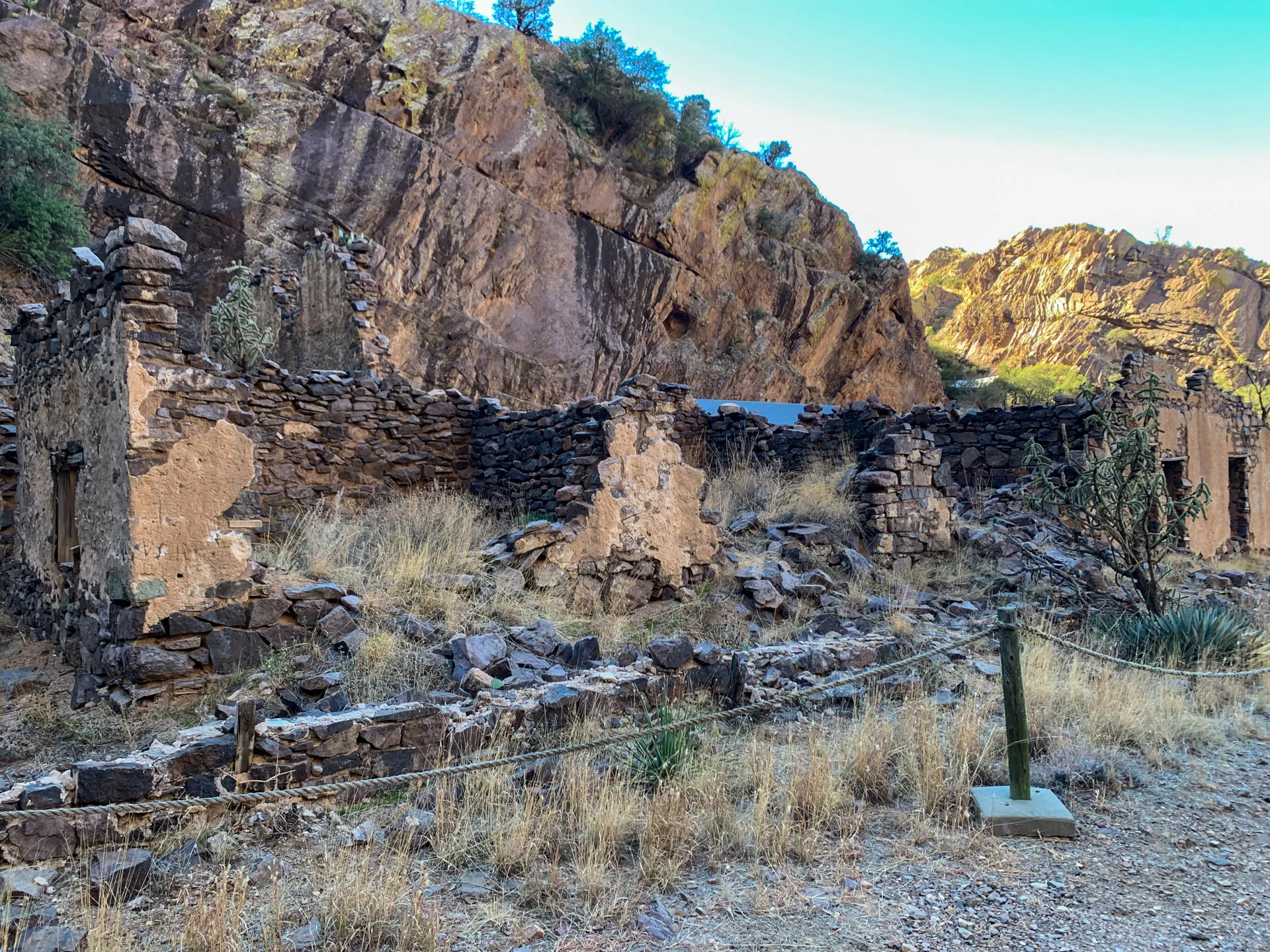
By the mid-20th century, the site was abandoned. The harsh desert elements slowly reclaimed the stone walls and wooden beams, leaving behind the ruins that still stand today.

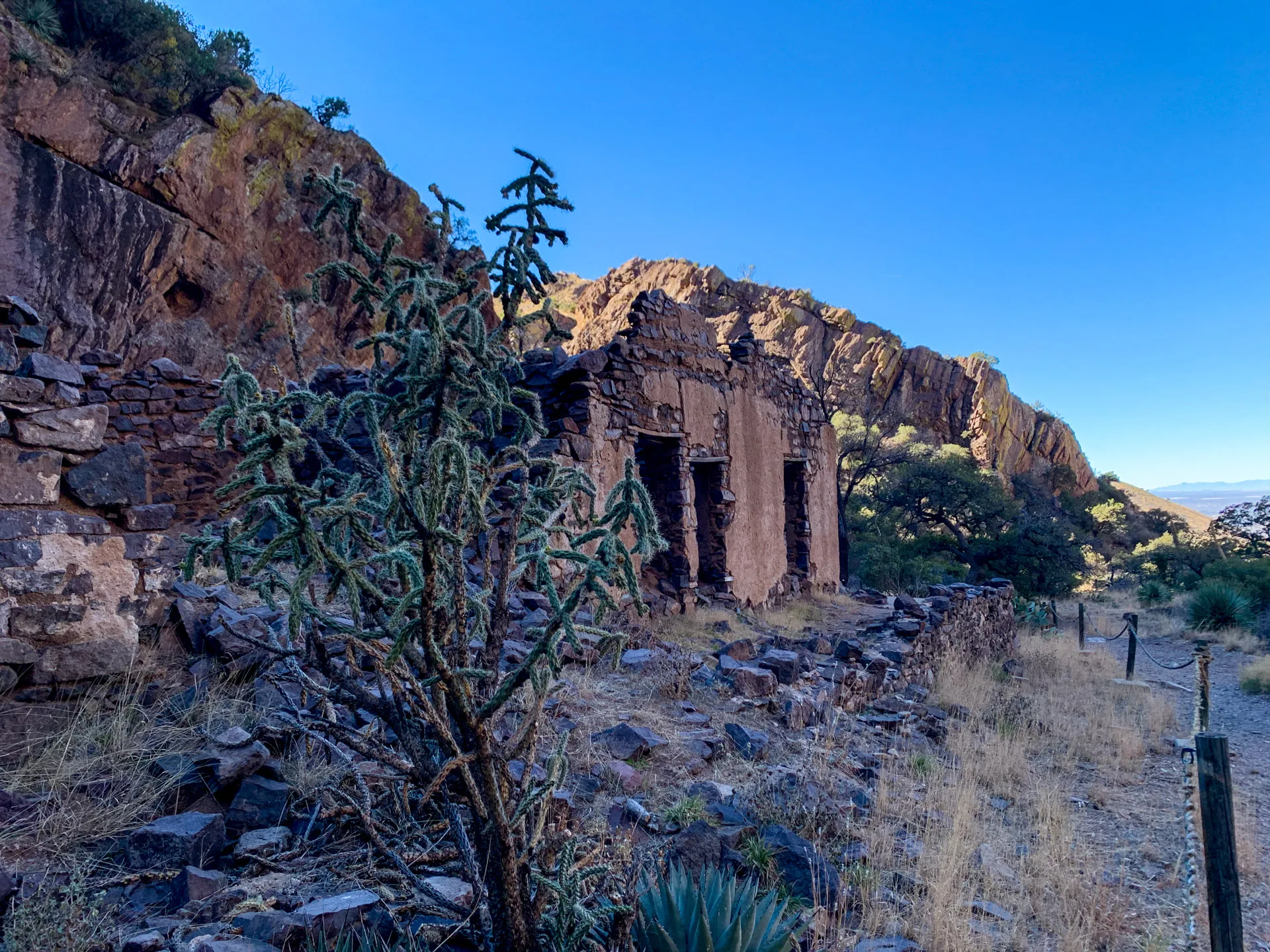
Desert landscape with an old, weathered stone building surrounded by rocky terrain. A cactus is in the foreground, and a rugged, sunlit mountain range is in the background. The sky is clear and blue, adding contrast to the earthy tones of the scene. Sparse vegetation dots the landscape.
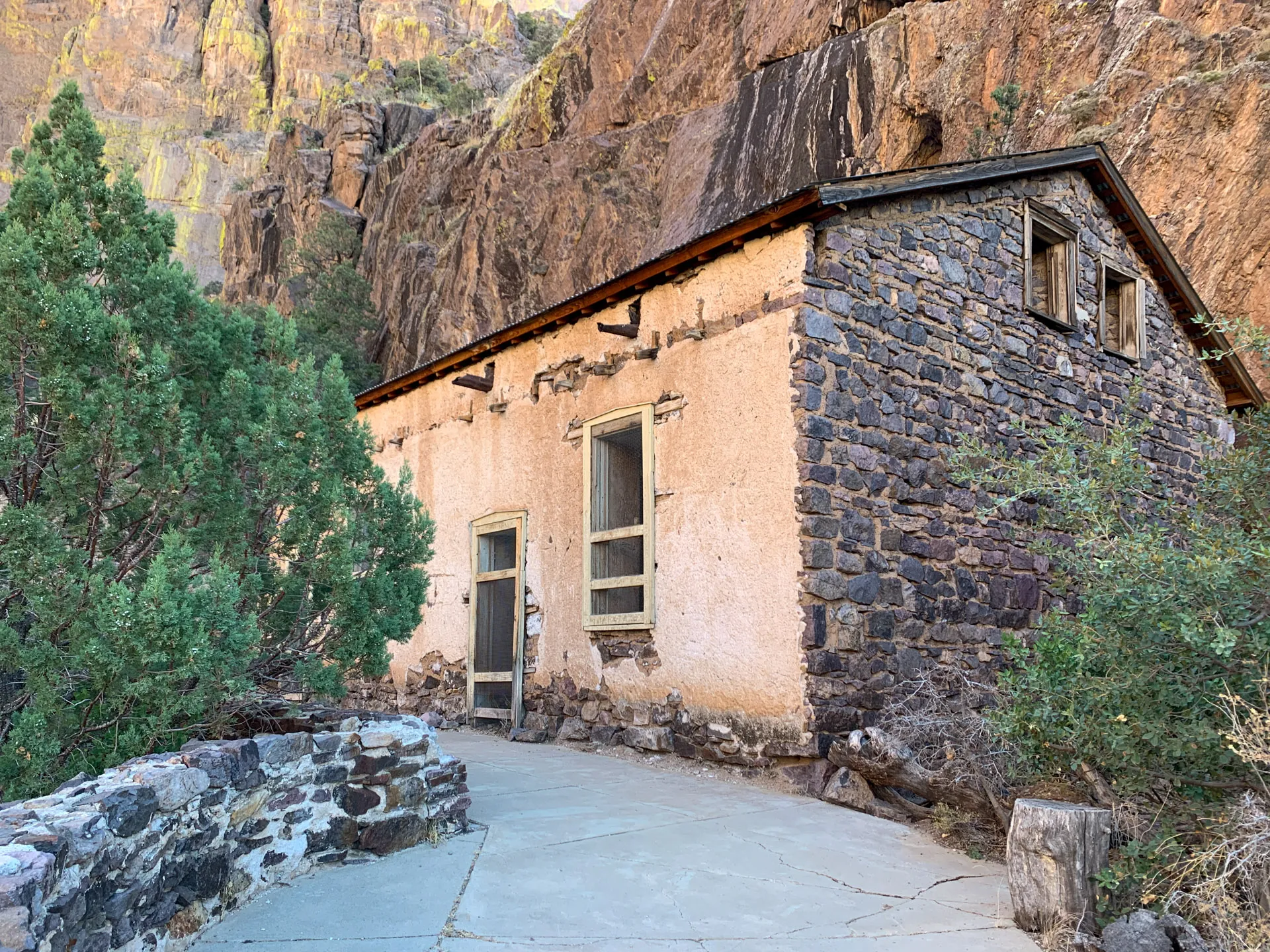
A rustic stone cabin with slightly weathered wooden features is set against a rugged cliff backdrop. The structure has two small windows near the roof and green shrubs in the foreground. Sunlight highlights the rocky landscape, creating a serene and historical ambiance.
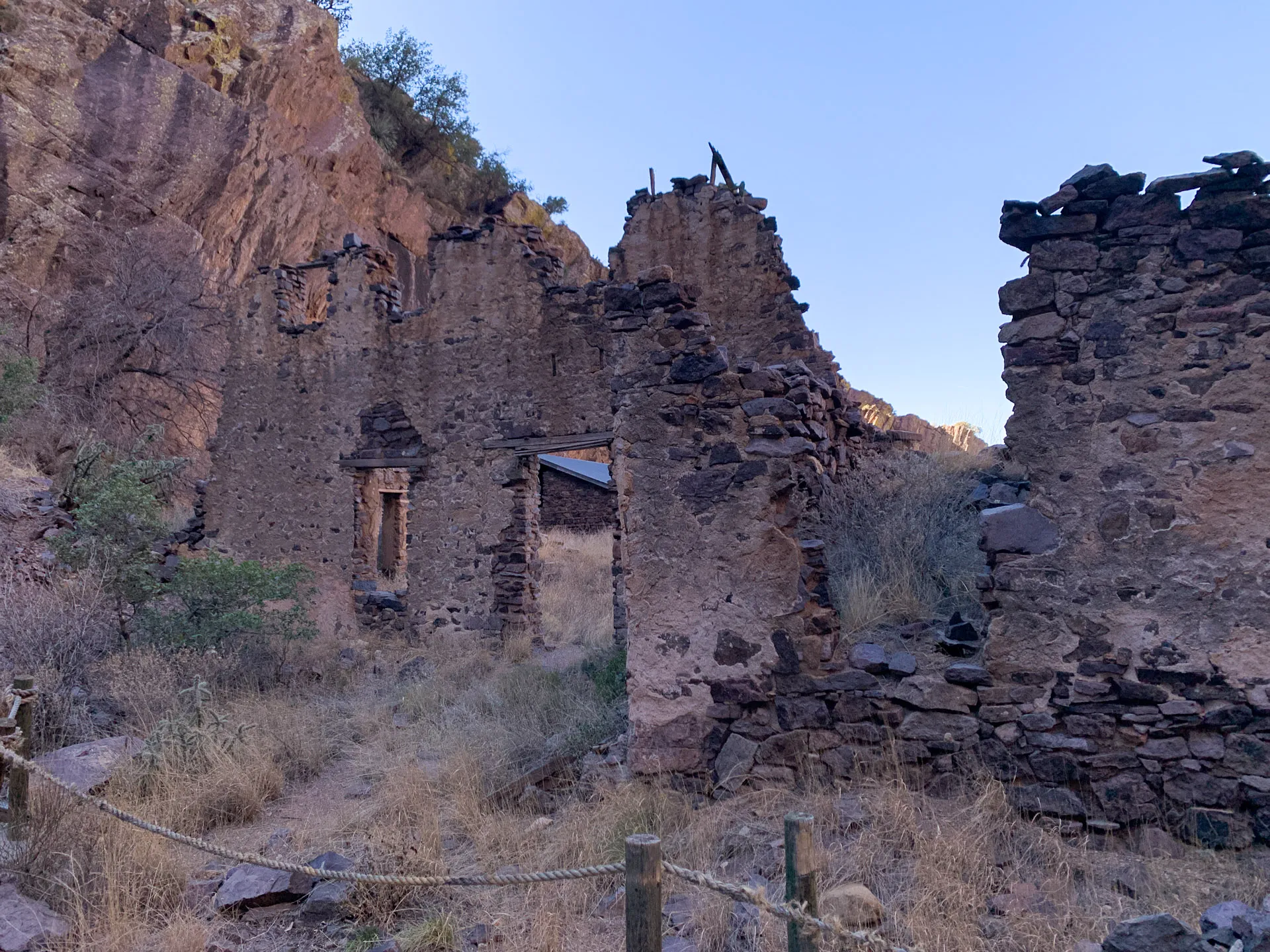
Ruins of a stone building against a rocky hillside. The structure's walls are partially standing, with visible door and window openings. Dry grass and a rope barrier are in the foreground, while a clear blue sky is above. Sparse greenery grows around the rocky landscape.
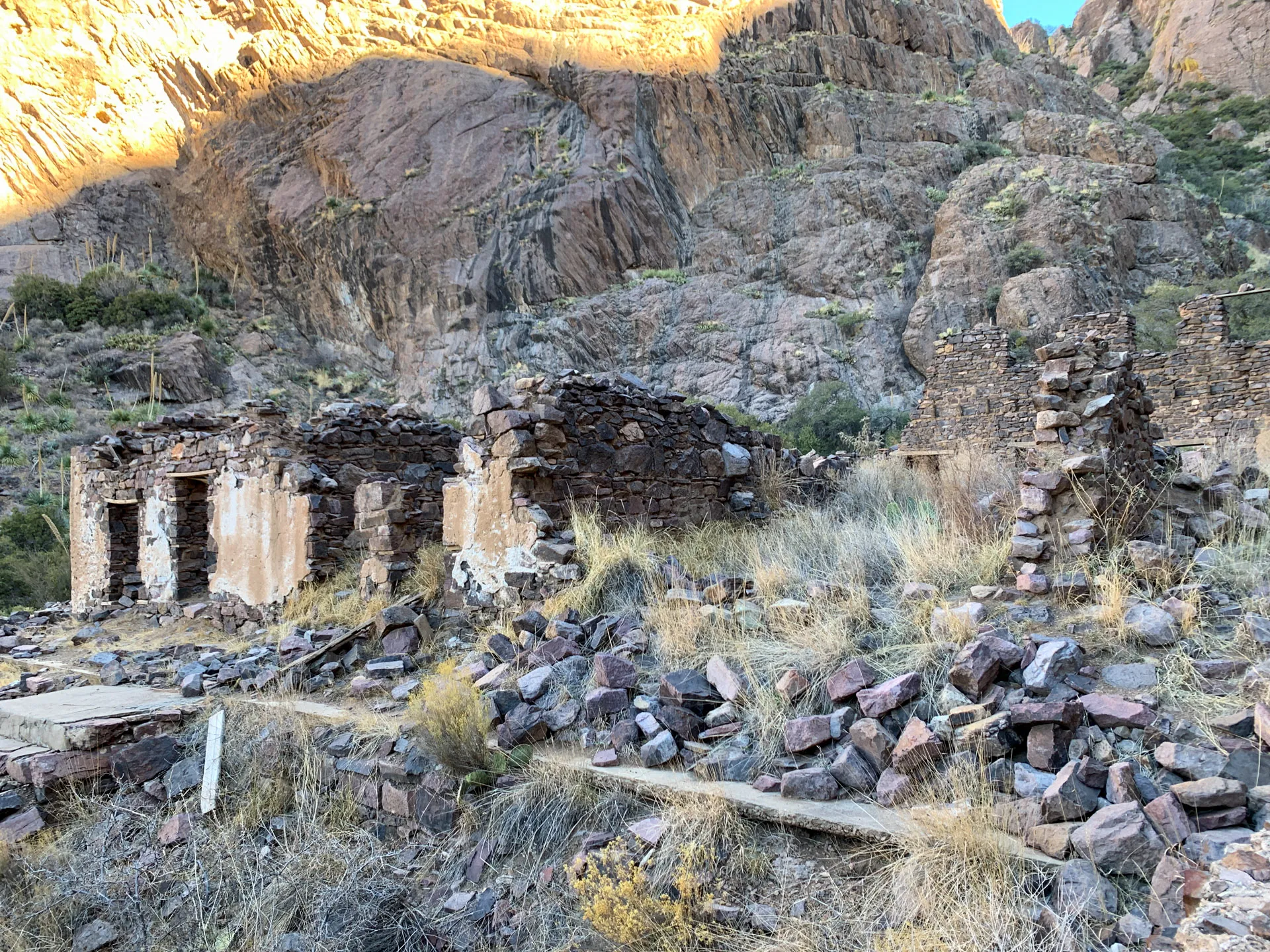
Ruins of an old stone building are set against a rocky mountainside. The building's walls are partially intact, with some sections collapsed. The surrounding area is scattered with rocks and dry grass, and the mountain is illuminated by sunlight, casting shadows on the terrain.
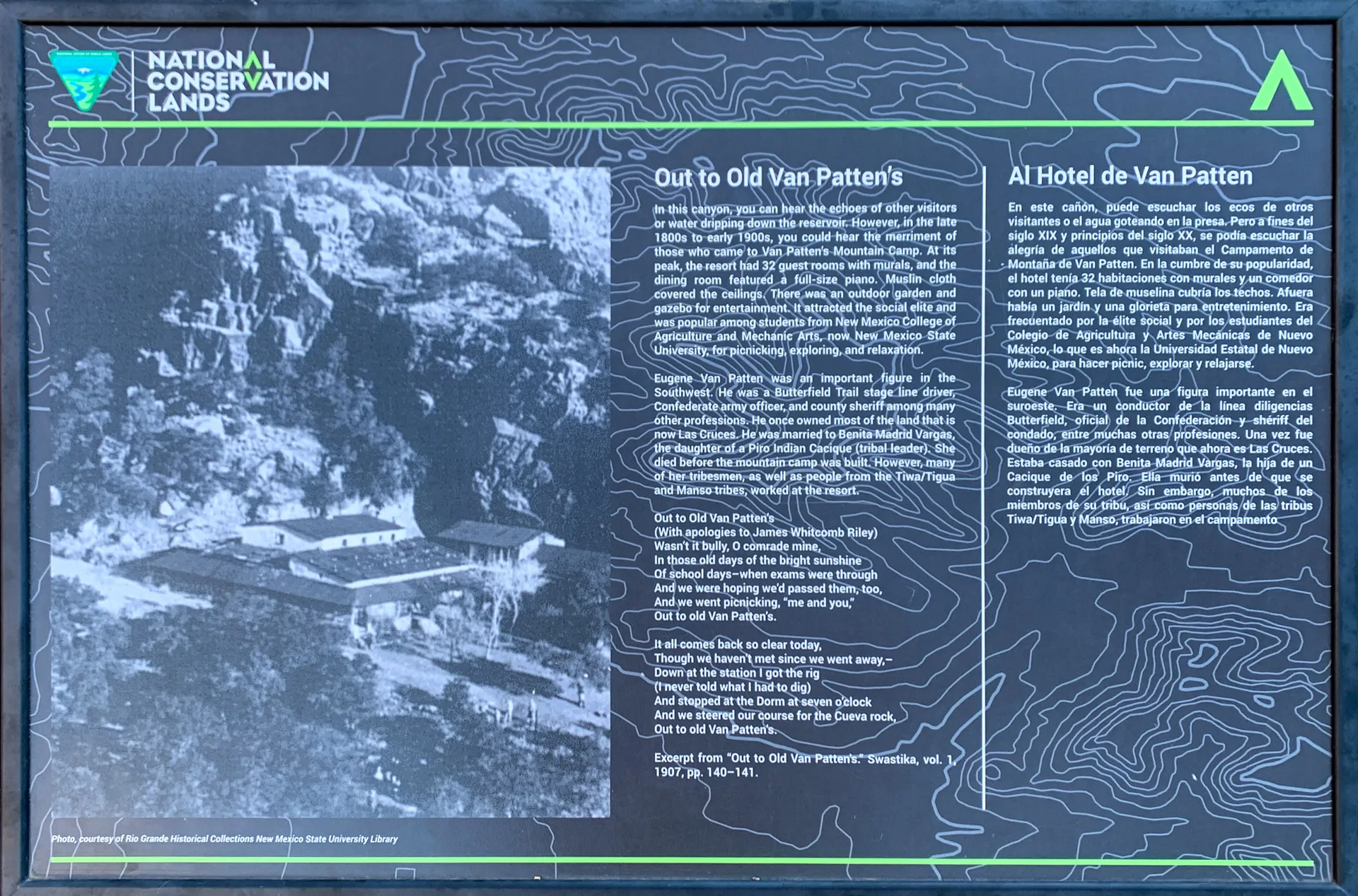
A detailed informational sign with a blue and white title "National Conservation Lands" and map graphics. It includes two text sections, "Out to Old Van Patten's" and "Al Hotel de Van Patten," with a black and white photo of a historic building surrounded by rocky terrain.
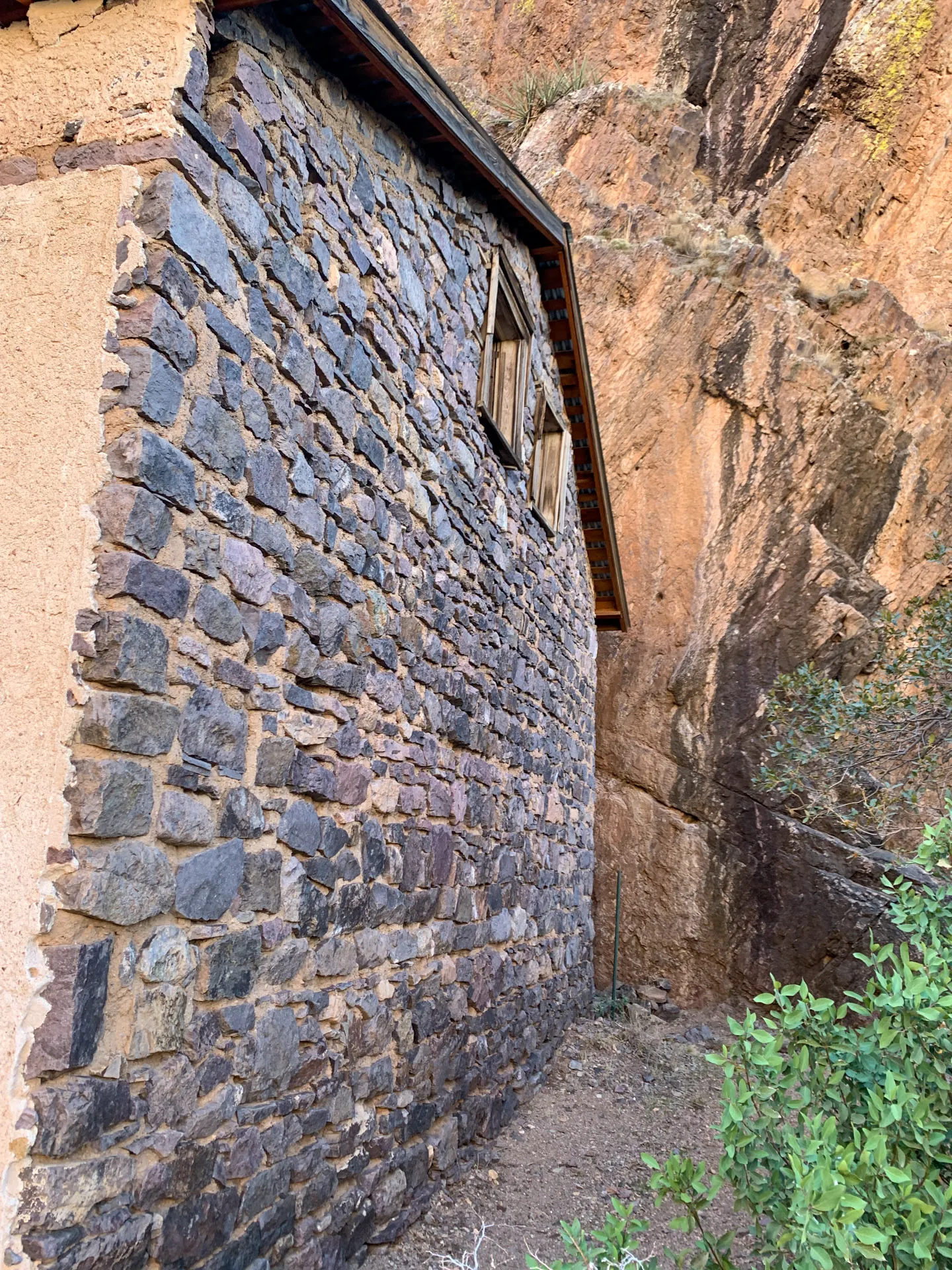
Stone building with two wooden windows set into a rocky cliff. The building's walls are made of irregular stones, and its roof is tiled. Vegetation grows at the base, and the backdrop features brown, rugged rock formations. The scene is outdoors on a sunny day.

It was an incredibly enjoyable day of hiking and poking around ruins in the New Mexico mountains. And now that I’ve been into this area, I knew that in a couple of days, I would probably come back and do a little more hiking.

A Few More Pictures from the Day

Dive Into More of Shea's Related Content